How to Transplant Chinese pink fairy sedge?
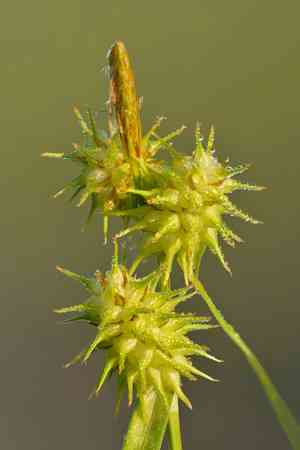
The ideal period for relocating chinese pink fairy sedge is during temperate conditions, spanning from the gentle warmth of late spring through the initial chill of mid-autumn. Select a site offering sufficient, yet adequately draining, moisture. To ensure a smooth establishment, maintain consistent soil dampness following the transplant.
What Preparations are Needed Before Transplanting Chinese Pink Fairy Sedge?
What is the Ideal Time for Transplanting Chinese Pink Fairy Sedge?
The prime period for relocating chinese pink fairy sedge spans from the gentle warmth of late spring into early summer, or during the vibrant mid to late autumn. Moving chinese pink fairy sedge at these times leverages moderate temperatures and adequate soil moisture, which are crucial for root establishment prior to summer's heat or winter's chill. This timing provides chinese pink fairy sedge with optimal conditions for a smooth transition, ensuring robust growth or sufficient recovery before dormancy.
How Much Space Should You Leave Between Chinese Pink Fairy Sedge Plants?
When planning the new site for chinese pink fairy sedge, aim for a spacing of 8-12 inches (20-30 cm) between plants. This allows each specimen ample room to develop without becoming overcrowded!
What is the Best Soil Mix for Chinese Pink Fairy Sedge Transplanting?
Prepare the planting area with soil that drains well and is rich in organic material. A light application of a balanced, slow-release fertilizer will give chinese pink fairy sedge an excellent start.
Where Should You Relocate Your Chinese Pink Fairy Sedge?
Select a location where chinese pink fairy sedge receives partial to full shade, particularly during the hottest parts of the day. Morning sun is acceptable, but excessive midday light might be too intense for this delicate plant.
What Equipments Should You Prepare Before Transplantation Chinese Pink Fairy Sedge?
Gardening Gloves
To safeguard your hands while handling soil and plants.
Trowel
For digging small holes and moving smaller plants.
Spade or Shovel
For excavating around and beneath the plant to move it with its root ball intact.
Watering Can or Hose with Sprayer
To thoroughly hydrate the plant before and after its relocation.
Pruning Shears
To trim any dead or damaged roots or foliage.
Wheelbarrow
For transporting the excavated plant and soil.
Mulch
To help maintain soil moisture and regulate temperature around the new planting site.
Rooting Hormone (optional)
To stimulate root development in the transplanted chinese pink fairy sedge.
How Do You Remove Chinese Pink Fairy Sedge from the Soil?
How Do You Remove Chinese Pink Fairy Sedge from the Soil?
From Ground: First, thoroughly water the chinese pink fairy sedge to soften the soil. Next, use a spade or shovel to dig a wide circle around the plant, going deep enough to encompass the entire root ball. Carefully lift the plant from the hole to minimize root damage.From Pot: Begin by watering the chinese pink fairy sedge to help detach roots from the pot. Turn the pot on its side and gently tap or squeeze the edges to loosen the root ball. Gradually ease the plant out, supporting the root ball to prevent it from breaking apart.From Seedling Tray: Water the seedlings well before removal. Use a trowel or your fingers to carefully separate individual chinese pink fairy sedge from each cell, ensuring as much of the root system and soil remain intact as possible.
Step-by-Step Guide for Transplanting Chinese Pink Fairy Sedge
Prepare New Location
Dig a hole in the prepared ground slightly larger than the root ball. Amend the hole with compost to improve soil structure and fertility if necessary.
Root Pruning
Inspect the root ball, trimming away any dead or excessively long roots with pruning shears to encourage new root growth.
Placing the Plant
Carefully lower the chinese pink fairy sedge into the new hole at the same depth it was growing at the original location. Position the plant so that it stands straight.
Backfill Soil
Using the soil previously set aside, fill in around the root ball, gently firming with your hands to eliminate air pockets.
Water Thoroughly
Water the chinese pink fairy sedge well after transplanting to help settle the soil and provide moisture for the roots.
Apply Mulch
Spread a layer of mulch around the base of the chinese pink fairy sedge to help retain moisture and suppress weeds. Keep mulch a few inches away from the plant's stems to prevent rot.
Check Stability
Gently shake the plant to ensure it's secure in the ground. If necessary, stake the plant for added support until it can stand firmly on its own.
How Do You Care For Chinese Pink Fairy Sedge After Transplanting?
Monitoring
Regularly observe the chinese pink fairy sedge for indications of transplant shock, such as wilting or discolored leaves, and address them promptly.
Watering
Ensure the soil remains consistently moist but not waterlogged to aid the chinese pink fairy sedge in establishing itself. Gradually reduce watering as the plant begins to show new growth.
Staking
If the chinese pink fairy sedge is tall or unstable, provide a stake and loosely tie the plant to it for support.
Protection
Safeguard the chinese pink fairy sedge from pests and harsh weather. Employ organic pest control methods if needed and cover the plant with a frost cloth if a sudden cold snap is anticipated.
Pruning
Snip away any dead or yellowing leaves to encourage healthy growth and improve air circulation around the plant.
Troubleshooting Common Issues with Chinese Pink Fairy Sedge Transplantation.
When's the best time to transplant chinese pink fairy sedge?
The optimal period for transplanting chinese pink fairy sedge is from late spring (May to June) to early summer or from mid-autumn (October) to late fall (November) for ideal root establishment.
How far apart should I plant chinese pink fairy sedge?
Space chinese pink fairy sedge approximately 8-12 inches (20-30 cm) apart to give each plant sufficient room to grow and flourish.
Should I water chinese pink fairy sedge immediately after transplanting?
Yes, water chinese pink fairy sedge thoroughly after transplanting to help settle the soil around the roots and minimize transplant shock.
What's the ideal soil for transplanting chinese pink fairy sedge?
Transplant chinese pink fairy sedge into well-draining soil rich in organic matter to encourage robust root development.
Can chinese pink fairy sedge be transplanted in full sun?
While chinese pink fairy sedge tolerates partial shade, it will also thrive in areas with full sun exposure.
How deep should the new hole be for chinese pink fairy sedge?
The new hole for chinese pink fairy sedge should be as deep as the root ball and twice as wide to facilitate easy spread of the roots.
What should I do if roots are circling the pot?
Gently tease apart or lightly trim circling roots before transplanting chinese pink fairy sedge to encourage outward growth.
How do I know if chinese pink fairy sedge is ready for transplant?
If chinese pink fairy sedge is outgrowing its current space or pot, showing crowded roots or slowed growth, it's time to transplant.
What signs of transplant shock should I look for in chinese pink fairy sedge?
After transplanting, watch chinese pink fairy sedge for wilting, yellowing, or dropped leaves, which may signal transplant shock.
Can I use fertilizer when transplanting chinese pink fairy sedge?
It's best to wait 4-6 weeks after transplanting chinese pink fairy sedge before applying a balanced, slow-release fertilizer to avoid burning the roots.



