How to Propagate Chinese pink fairy sedge?
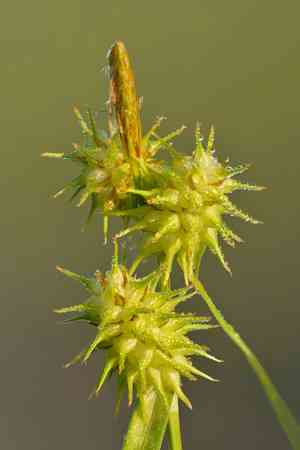
For propagating chinese pink fairy sedge, the main technique employed is division. Cultivators ought to carefully detach the rhizomes, making certain that every fresh segment possesses sufficient root mass. To achieve successful regrowth, these separated portions should be immediately placed into appropriate growing medium, supplying steady hydration without oversaturation. Prioritizing well-draining soil will stimulate vigorous development. Meticulous care to prevent harm to the fragile root systems during this procedure will enhance results. These methods, specifically designed for chinese pink fairy sedge, contribute to the robust establishment of new specimens.
When Is the Optimal Time to Propagate Chinese Pink Fairy Sedge?
Propagation Type
Division
Propagation Season
Spring,Autumn
What Implements Are Utilized for Chinese Pink Fairy Sedge Propagation?
Sharp Knife or Pruning Shears
These are vital for making clean cuts through the rhizomes or root systems of chinese pink fairy sedge during the division process. A sharp, sterilized blade ensures precise and smooth cuts, minimizing harm and lowering the chance of disease. This accuracy aids in preserving the vitality of the separated portions, thereby encouraging superior root growth after division.
Spade or Garden Fork
These instruments are employed for excavating around and lifting chinese pink fairy sedge from the earth with minimal disruption to its root structure. A spade or fork with a keen edge is preferred as it can readily penetrate the soil, allowing for careful extraction of the plant without unnecessarily severing rhizomes or roots.
Gardening Gloves
Wearing gloves safeguards the propagator's hands from dirt and potential injuries while handling chinese pink fairy sedge. They also assist in keeping the plant clean and free from oils or substances on the hands that could negatively impact its well-being.
Watering Can with a Gentle Shower Head
Following repotting or replanting, it is essential to gently irrigate chinese pink fairy sedge to help settle the soil around its roots and eliminate air pockets. A watering can equipped with a gentle shower head ensures that water is uniformly distributed over the soil without disturbing the newly planted sections.
Rooting Hormone (optional)
Although not always necessary, applying a rooting hormone to the severed surfaces of chinese pink fairy sedge's roots can stimulate faster root development and boost the overall success rate of propagation. This is particularly advantageous if the divisions appear less robust or are taken under less than ideal circumstances.
How to Multiply Chinese Pink Fairy Sedge?
Propagation Type
Easy
How to Care for Your Recently Propagated Chinese Pink Fairy Sedge?
How to Care for Your Recently Propagated Chinese Pink Fairy Sedge?
After propagating chinese pink fairy sedge, it's crucial to maintain consistent moisture levels without overwatering, as chinese pink fairy sedge prefers damp but well-drained soil. Place chinese pink fairy sedge in an area with partial shade to mimic its natural environment. Regularly inspect for signs of pests or diseases, especially during the initial growing season post-propagation. During the active growth period, fertilize chinese pink fairy sedge with a balanced, slow-release feed to encourage healthy development.
Common Errors to Avoid When Propagating Chinese Pink Fairy Sedge
Overwatering
Excessive watering can lead to root rot and fungal infections for chinese pink fairy sedge. This species requires well-draining soil to remain healthy during propagation, and too much moisture can be harmful.
Deep planting
Planting chinese pink fairy sedge too deeply can impede its root development, as this sedge prefers to be planted at or just slightly below the soil surface to allow adequate air circulation to its roots and rhizomes.
Neglecting division size
Dividing chinese pink fairy sedge into excessively small sections can result in weaker plants that struggle to establish. Each division should possess a sufficient quantity of roots and shoots to ensure vigor.
Inadequate light
Insufficient light during propagation can lead to leggy growth and poor establishment. Chinese pink fairy sedge thrives in bright conditions where it can develop strong, healthy foliage.
Using poor-soil quality
Employing soil that lacks nutrients or proper structure can hinder the growth and health of chinese pink fairy sedge. A soil mix that doesn't support good drainage and fertility can impede root development.
Tips For Propagating Chinese Pink Fairy Sedge
Use sharp tools
Utilizing clean, sharp tools for division helps prevent damage to the roots and rhizomes of chinese pink fairy sedge, promoting healthier and faster root development.
Appropriate soil mixture
Employing a well-draining soil mixture enriched with organic matter benefits chinese pink fairy sedge by fostering strong root growth and supplying essential nutrients.
Water management
Maintaining the correct moisture balance is vital for chinese pink fairy sedge. Water sufficiently to keep the soil moist but not waterlogged, particularly after dividing, to support establishment.
Partial shade placement
While chinese pink fairy sedge requires bright conditions, it also benefits from partial shade to avoid direct, harsh sunlight, which can stress the plant especially after propagation.
Regular monitoring
Periodically check on the health of chinese pink fairy sedge post-propagation to address any issues such as pest infestations or disease early, ensuring more successful growth.



