How to Prune Chinese pink fairy sedge?
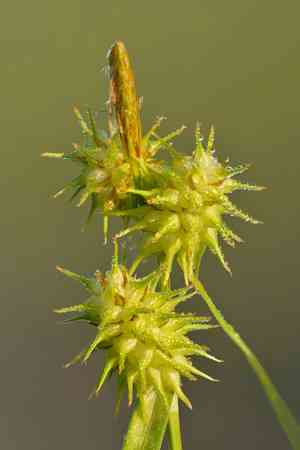
This perennial sedge, which develops thick clusters, flourishes in damp settings and is valued for its gracefully arching, pink-hued green leaves. To ensure peak vitality and visual appeal, cut back any aged or discolored foliage in early spring, prior to the emergence of fresh growth. Removing dead or excessively dense portions improves air movement and encourages strong new stems. Performing this trimming during this period capitalizes on the plant's inherent growth pattern for revitalization, thereby enhancing its full yet refined look and guaranteeing energetic progress throughout the cultivation period.
What Are the Benefits of Pruning Chinese Pink Fairy Sedge?
What Are the Benefits of Pruning Chinese Pink Fairy Sedge?
Trimming chinese pink fairy sedge promotes more vivid blossoms, revitalizes its development, and maintains a tidy form, which is crucial for both appearance and well-being. It also helps prevent excessive growth, ensuring chinese pink fairy sedge doesn't overshadow other plants.
What Is the Best Time for Pruning Chinese Pink Fairy Sedge?
What Is the Best Time for Pruning Chinese Pink Fairy Sedge?
Pruning chinese pink fairy sedge in early spring is optimal, as this period follows winter dormancy and precedes active growth. Pruning at this time minimizes plant stress, allowing for rapid healing and new growth with warmer temperatures. Removing dead or damaged foliage also invigorates chinese pink fairy sedge, leading to healthier, more robust growth throughout the season. Early spring pruning aligns with chinese pink fairy sedge's growth cycle before it expends energy on new shoots and leaves. Avoid pruning during or just before winter, as open wounds are more susceptible to frost damage, and recovery is slower during dormancy.
What Tools Do I Need to Prune Chinese Pink Fairy Sedge?
Bypass Pruners
These are ideal for precise cuts and can manage the relatively thin, delicate foliage of chinese pink fairy sedge without causing undue harm. They operate like scissors, perfect for cleanly snipping leaves and stems.
Sharp Scissors
For minor trimming of chinese pink fairy sedge's foliage, sharp scissors can be used for minimal, accurate cuts, reducing the risk of damage to delicate leaves and contributing to a neat look.
Gardening Gloves
Though not a cutting tool, gloves are vital for protecting the gardener's hands from potential irritants or cuts when pruning chinese pink fairy sedge.
Leaf Rakes
After pruning, a leaf rake can be used to collect and remove fallen debris from chinese pink fairy sedge, ensuring a clean environment that helps prevent disease.
How to Prune Chinese Pink Fairy Sedge
Disinfect Tools
Before beginning, ensure all pruning implements are sanitized to prevent the spread of illness to chinese pink fairy sedge.
Remove Diseased Leaves
Carefully inspect chinese pink fairy sedge and remove any affected leaves by cutting them at the base of the leaf stem using sharp, clean scissors or pruning shears.
Trim Withered Leaves
Cut away withered or yellowed leaves in the same manner, close to ground level for chinese pink fairy sedge, to maintain its neat appearance and encourage healthy new growth.
Deadhead Flowers
Remove spent flowers by snipping the flower stalk at its base or just above a new growth node to encourage further blooming and prevent unwanted self-seeding.
Clean Up
After pruning chinese pink fairy sedge, clear all trimmings from the area to reduce disease risk and keep the plant's surroundings tidy.
Common Pruning Mistakes with Chinese Pink Fairy Sedge
Over-Pruning
Cutting back more than a third of chinese pink fairy sedge's foliage can stress the plant, potentially leading to stunted growth and reduced vigor.
Incomplete Removal
Failing to fully remove dead or damaged leaves may impede new growth and can attract pests or diseases.
Improper Tools
Using dull or dirty pruning tools can result in jagged cuts that are more prone to infection and heal poorly.
Unnecessary Pruning
Chinese pink fairy sedge does not require extensive shaping. Excessive pruning for aesthetic reasons can harm the plant's natural form and hinder its growth.
Neglecting To Prune
While chinese pink fairy sedge is low-maintenance, completely neglecting to prune, even when there are dead or yellowing leaves, can make the plant look untidy and may affect its health.
Common Pruning Tips for Chinese Pink Fairy Sedge
Sharp Tools
Always use sharp, clean shears or scissors to ensure cuts are clean and precise, which helps chinese pink fairy sedge recover quickly.
Selective Pruning
Focus on removing only the browned or damaged blades of chinese pink fairy sedge by cutting them at the base. This promotes a more attractive appearance and vitality.
Gentle Handling
Chinese pink fairy sedge has delicate foliage; handle it gently while pruning to avoid accidentally damaging healthy parts of the plant.
Timely Intervention
Regularly assess and prune any unhealthy portions of chinese pink fairy sedge to maintain its growth and prevent any potential spread of disease.
Sanitation
Clean all pruning tools before and after use to prevent the spread of disease between plants. Disinfecting tools can be done with household disinfectants or alcohol.



