The Chinese pink fairy sedge Plant Advantage: Maximizing Home and Office Appeal and Wellness
1
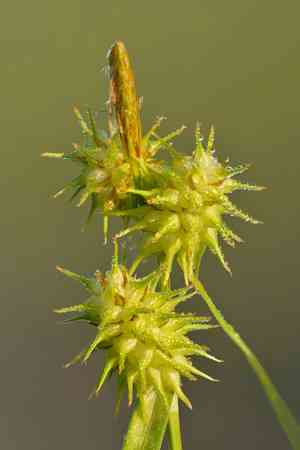
Chinese pink fairy sedge improves ground quality and fosters diverse life.
2
Its lovely pink blooms draw in beneficial insects.
3
Chinese pink fairy sedge is an easy-care plant adaptable to many environments.
What Makes Chinese pink fairy sedge Special?
Unique Aesthetic Appeal
The vibrant pink blooms of Chinese pink fairy sedge are a visual delight, making it a favorite among garden enthusiasts. These flowers not only capture attention but also enhance the overall look of any garden design, whether classic or contemporary.
Supports Local Wildlife
Beyond its beauty, Chinese pink fairy sedge plays a vital role in supporting local wildlife. Its flowers attract various pollinators, including bees and butterflies, essential for maintaining ecosystem balance. Additionally, the plant provides shelter and food sources for other small insects and animals.
How Chinese pink fairy sedge Improves Soil Health
Enhances Soil Structure
Chinese pink fairy sedge is known for its deep and extensive root system, which can significantly improve soil structure. These roots aid in aerating the soil, thereby promoting better water penetration and reducing erosion.
Nutrient Cycling
The plant contributes to nutrient cycling by breaking down organic matter and releasing vital nutrients back into the soil. This natural process minimizes the need for chemical fertilizers, fostering a more sustainable gardening practice.
Is Chinese pink fairy sedge Easy to Maintain?
Low Water Requirements
One of the significant benefits of Chinese pink fairy sedge is its low water requirement. Once established, the plant can thrive with minimal irrigation, making it an excellent choice for drought-prone regions or for gardeners looking to conserve water.
Pest and Disease Resistance
Chinese pink fairy sedge exhibits strong resistance to common pests and diseases, which further reduces the need for chemical treatments. This resilience promotes healthier plant communities and lessens the impact on the local environment.
Where Can You Grow Chinese pink fairy sedge?
Adaptability to Different Climates
Chinese pink fairy sedge is adaptable to various climatic conditions, from temperate to sub-tropical regions. Its versatility makes it a valuable addition to gardens regardless of the local climate.
Suitable Soil Conditions
Chinese pink fairy sedge prefers well-drained soil but can tolerate a range of soil types, including sandy and loamy soils. This adaptability ensures it can flourish in different gardening setups, offering flexibility to gardeners.
Can Chinese pink fairy sedge be Used in Landscaping?
Creating Natural Borders
Due to its dense growth habit, Chinese pink fairy sedge can be effectively used to create natural borders or hedges. This usage not only adds a layer of privacy to your garden but also helps in preventing soil erosion on sloped areas.
Complementary Plantings
Chinese pink fairy sedge pairs well with a variety of other plants, making it ideal for mixed borders and garden beds. Its unique appearance can complement both flowering plants and foliage-heavy species, providing a balanced and aesthetically pleasing garden design.



