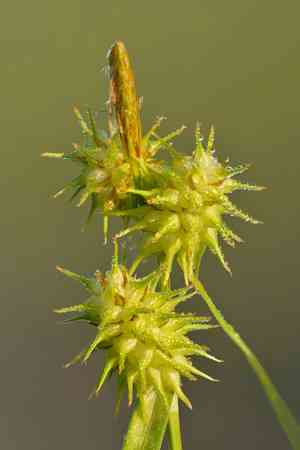
Chinese pink fairy sedge (Carex scaposa)
Also known as: Scape Sedge
Chinese pink fairy sedge (Carex scaposa) is a unique plant that can enhance any garden with its striking pink flowers and graceful, long stems. The broad, elegant leaves contribute to its aesthetic appeal, creating a lush, green backdrop. Its dense growth pattern makes it an excellent choice for container gardening. Additionally, the flowers attract bees, promoting pollination. This sedge is particularly well-suited for shady areas, thriving in partial shade and adding beauty to spots where many other plants might struggle.
In This Article
Attributes of Chinese pink fairy sedge
Lifespan
Perennial
Plant Type
Grass
Plant Height
30 cm
Spread
30 cm
Leaf Color
Bright green
Flower Size
Not applicable
Flower Color
Pink Purple
Images of Chinese pink fairy sedge
Quickly Identify Chinese pink fairy sedge
1
Carex scaposa can be identified by its clumping growth habit, bright green, grass-like leaves, and characteristic triangular stems. It also produces distinctive flower spikes.
Scientific Classification of Chinese pink fairy sedge
Phylum
Vascular plants
Class
Monocotyledons
Order
Poales
Family
Sedge
Genus
True sedges
Species
Chinese pink fairy sedge
Planting and Growing of Chinese pink fairy sedge
Care Difficulty
Easy
Watering Schedule
Every 2 days
Sunlight Requirements
Partial sun
Sunshine Duration
6-12 hours
Ideal Temperature
60-75℉
Soil Type
Potting Mix, Peat Mix
Soil pH
6.5-7.5
Fertilizer Type
Balanced
Pruning Season
Spring, Summer
Pruning Area
Branches, Leaves
Pruning Frequency
2 times a year
Repotting Season
Spring
Pot Type
Plastic, Terracotta
 How to Water Chinese pink fairy sedge?
When watering Carex scaposa, ensure that the soil is moist but not waterlogged. You should be aiming for about 300 milliliters per session, which typically saturates the root zone adequately without oversaturating it. Test the soil by seeing if it's moist to about 2 inches deep.
What are the symptoms of an underwatered Chinese pink fairy sedge?
›
What should I do if my Chinese pink fairy sedge is not getting enough water?
›
What are the symptoms of an overwatered Chinese pink fairy sedge?
›
How to save an overwatered Chinese pink fairy sedge?
›
 What Are the Sunlight Requirements for Chinese pink fairy sedge?
Carex scaposa flourishes in partial sun; its ideal lighting range helps achieve a balance of energy for growth without the excessive stress of full sun. Consistently ideal light conditions enhance its health, vigor, and potential to bloom.
More About Sunlight Requirements Techniques→
What is the best lighting condition for Carex scaposa?
›
How can I ensure Carex scaposa gets its ideal lighting conditions?
›
What benefits can Carex scaposa enjoy from ideal lighting conditions?
›
 What Is the Ideal Temperature Range for Chinese pink fairy sedge?
Carex scaposa thrives best in temperatures ranging from 60 to 75 °F. This range allows for optimal metabolic and physiological processes, ensuring proper growth and development. Maintaining these temperatures ensures the plant’s cellular functions are operating efficiently, promoting healthy foliage and root structure.
 What Soil is Best for Chinese pink fairy sedge?
Carex scaposa thrives in well-draining soil that allows excess water to escape quickly. This prevents root rot, which can occur if the roots sit in water for too long. Adequate drainage enhances the plant's growth and health. A nutrient-rich soil is vital for the vigorous growth of Carex scaposa. It ensures that the plant gets all the required minerals and nutrients, promoting lush foliage and resilience to environmental stresses. The soil should be able to retain enough moisture to keep the plant hydrated between waterings, without becoming waterlogged. This balance helps maintain healthy root function and supports robust plant development.
 How to Fertilize Chinese pink fairy sedge?
For Carex scaposa, utilize a balanced liquid fertilizer diluted to half-strength or use slow-release pellets in moderation. Over-fertilization can cause nutrient buildup, so apply with caution. A light application generally benefits the plant's growth without overwhelming the roots.
 How to Prune Chinese pink fairy sedge?
Begin by removing any brown or dead leaves at the base of the plant. This will not only improve the appearance but also promote new growth. Trim the tips of the blades to encourage a neater appearance. Use scissors to cut back to about half an inch above the base. Be patient and work slowly to avoid cutting live stems unnecessarily. Focus on maintaining the plant's natural arching form.
More About Pruning Techniques→
 How to Propagate Chinese pink fairy sedge plant?
1
Begin by filling the seed trays with a well-draining seed-starting mix. Sow the seeds on the surface and cover them with a fine layer of the mix. Water gently to avoid disturbing the seeds. Maintain a warm (around 20°C) and moist environment to encourage germination.
2
In early spring, select a mature Carex scaposa plant that is healthy and robust. Carefully dig around the roots and lift the plant from the soil. Shake off excess soil and gently pull apart the clumps of roots to separate them into divisions.
3
Replant the divided sections into prepared garden beds or pots. Ensure there’s ample space for root development and growth. Water the newly planted divisions thoroughly and apply a layer of mulch to retain moisture and regulate soil temperature.
 How to Repot Chinese pink fairy sedge plant?
1
Repot Carex scaposa when you notice signs such as roots coming out from the drainage holes, reduced growth rate, or the soil drying out more quickly than usual. These are clear indicators that the plant has outgrown its current pot and needs more space to thrive.
2
Select a pot that is one size larger than the current one with adequate drainage holes. A larger pot provides enough room for root expansion and reduces the risk of water-logging, promoting healthier growth and preventing root rot.
3
Opt for a well-draining potting mix, which ensures proper moisture retention without becoming waterlogged. Good drainage is vital for preventing root rot and promoting air circulation around the roots, leading to robust development.



