How to Transplant Rosy sedge?
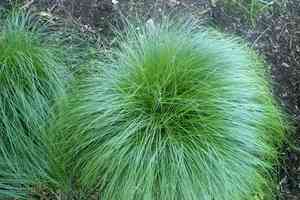
The most favorable period for relocating rosy sedge spans from the beginning of early spring until the end of late spring, facilitating superior root development. Optimal environments feature a location with partial to full shade and soil that drains effectively, fostering robust growth.
What Preparations are Needed Before Transplanting Rosy Sedge?
What is the Ideal Time for Transplanting Rosy Sedge?
Moving rosy sedge between early and late spring ensures prime growth. This period offers mild temperatures and consistent moisture, aiding root establishment. Benefits include better survival rates and strong development, as the plant can adapt before summer heat. This initial step boosts rosy sedge's vitality and lifespan in the garden.
How Much Space Should You Leave Between Rosy Sedge Plants?
When relocating rosy sedge, position plants approximately 1-2 feet (30-60 cm) apart. This provides ample room for growth and expansion, fostering healthy development while preventing overcrowding.
What is the Best Soil Mix for Rosy Sedge Transplanting?
For rosy sedge, prepare soil that drains well and is rich in organic material. Incorporating compost or a balanced base fertilizer will give your plants a strong start. Ensure the soil is loamy for optimal outcomes.
Where Should You Relocate Your Rosy Sedge?
Rosy sedge thrives best in partial to full shade. Select a spot that receives filtered sunlight or is shaded for most of the day. This helps replicate the natural forest floor environment where they typically grow.
What Equipments Should You Prepare Before Transplantation Rosy Sedge?
Gardening Gloves
To safeguard your hands while handling soil and plants.
Shovel or Spade
To excavate and prepare the ground at both the plant's original and new sites.
Trowel
For more precise digging and moving soil around the root ball.
Watering Can
To hydrate the plant before and after its relocation.
Mulch
To help maintain soil moisture after the transplanting process.
Garden Fork
To help loosen the soil around the plant if it's in the ground.
Plant Markers
To label the new positions and keep track of plantings.
How Do You Remove Rosy Sedge from the Soil?
How Do You Remove Rosy Sedge from the Soil?
From Ground: First, water the rosy sedge plant to moisten the soil. Then, dig a wide trench around the plant using a shovel or spade, ensuring the plant's root ball remains intact. Carefully work the spade under the root ball to lift the plant from its original location.From Pot: Water the rosy sedge plant thoroughly to make the soil easier to manage. Gently hold the base of the plant and invert the pot to extract the plant, ensuring the root ball stays whole. If it resists, tap the pot's sides to loosen the soil.From Seedling Tray: Water the seedlings in the tray. Use a trowel or your fingers to gently lift the seedlings from underneath, taking as much of the surrounding soil with the roots as possible to prevent damage.
Step-by-Step Guide for Transplanting Rosy Sedge
Prepare the New Site
Ensure the new location is excavated and prepared with suitable soil and spacing for rosy sedge.
Digging the Hole
Dig a hole that is twice the width and the same depth as the rosy sedge's root ball to allow roots ample room to spread.
Plant Placement
Position rosy sedge rooted plant into the hole, ensuring it is level with or slightly above the existing soil line.
Backfilling
Fill the hole with soil, gently firming it around the roots to eliminate air pockets without overly compacting the soil.
Watering
Thoroughly water rosy sedge immediately after transplanting to help settle the soil around the roots.
Adding Mulch
Apply a layer of mulch around the base of rosy sedge, leaving a gap around the stem to prevent rotting.
How Do You Care For Rosy Sedge After Transplanting?
Watering
Keep the soil around the rosy sedge consistently moist, but not waterlogged, for the initial weeks post-transplant to aid in establishing strong roots.
Monitoring
Regularly check on rosy sedge for indications of transplant shock, such as wilting or yellowing foliage.
Protecting from Harsh Conditions
If conditions are excessively sunny or windy, provide temporary shade or wind protection to help rosy sedge recover.
Mulching
Maintain the mulch layer around rosy sedge to help preserve soil moisture and regulate temperature.
Pruning
Trim any damaged or dead leaves to help reduce stress on rosy sedge and promote healthy new growth.
Troubleshooting Common Issues with Rosy Sedge Transplantation.
When is the best time to transplant rosy sedge?
Relocate rosy sedge from early spring to late spring for the most favorable outcomes.
How far apart should rosy sedge plants be spaced?
Space rosy sedge plants 1-2 feet (30-60 cm) apart for optimal growth and health.
What type of soil is best for transplanting rosy sedge?
Utilize well-drained, moist soil enriched with organic matter for successful rosy sedge transplantation.
How do I prepare the soil before transplanting rosy sedge?
Loosen the soil to a depth of 10 inches (25 cm) and incorporate compost or other organic material.
What should I do if rosy sedge is not thriving after transplanting?
Ensure it receives adequate water, proper spacing, and the soil is well-drained and enriched.
How should I water rosy sedge after transplanting?
Water rosy sedge thoroughly after transplanting and keep the soil consistently moist, not waterlogged.
Can rosy sedge be transplanted in hot weather?
Avoid transplanting rosy sedge during hot weather; it's best to do so in cooler spring times.
What kind of light does rosy sedge need after transplanting?
Provide partial to full shade for rosy sedge after transplanting for healthy development.
Will rosy sedge suffer from transplant shock?
Minimize transplant shock by handling roots gently and keeping soil moist and well-prepared.
How deep should I plant rosy sedge during transplanting?
Plant rosy sedge at the same depth it was originally growing to ensure stability and growth.



