How to Propagate Rosy sedge?
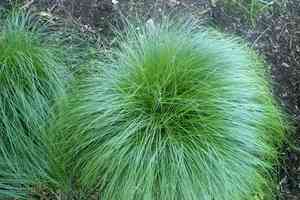
The most effective method for propagating rosy sedge involves division, which should be executed delicately to prevent harm to its complex root structure. It is crucial to carefully separate the plant clusters with minimal disruption, verifying that each new segment possesses sufficient roots. This practice preserves the inherent growth pattern and vitality of rosy sedge, facilitating successful transplantation and vigorous development in new settings.
Optimal Time for Rosy Sedge Propagation
Propagation Method
Division
Propagation Period
Spring,Autumn
Tools for Rosy Sedge Propagation
Garden spade or fork
Crucial for separating rosy sedge clumps, a garden spade or fork allows for careful plant removal from the soil without excessive root disturbance. This tool is valuable as its sharp edges facilitate clean separation of dense root masses, minimizing damage and stress during division.
Pruning shears
Utilized to remove any dead or surplus foliage from rosy sedge both before and after the division process. Pruning shears must be sharp and clean to ensure precise cuts, which helps prevent disease spread and encourages healthier, more robust growth in newly transplanted divisions.
Watering can or hose with a gentle spray nozzle
Essential for supplying newly divided rosy sedge with sufficient water, a gentle spray nozzle ensures water is softly distributed around the plant's base. This gentle approach aids in settling the soil and lessens the risk of root exposure, thereby improving initial recovery and establishment of the divisions.
Rooting hormone (optional)
Though not mandatory, rooting hormone can be applied to the cut surfaces of rosy sedge divisions to encourage healthier root development and faster establishment. This is particularly beneficial for increasing the success rate of divisions that appear less vigorous or smaller.
Gardening gloves
Protects hands while handling rosy sedge and tools, and offers a better grip on plants and implements during division. Gloves also prevent potential irritation from plant sap and reduce the risk of pathogen transmission between plants.
How to Propagate Rosy Sedge?
Propagation Type
Easy
Caring for Your Newly Propagated Rosy Sedge
Caring for Your Newly Propagated Rosy Sedge?
Rosy sedge is a moisture-loving plant that thrives in partial to full shade. After propagation, ensure the soil remains consistently moist, especially during dry spells. Mulching can help retain soil moisture and suppress weeds. Avoid overwatering to prevent root rot. As rosy sedge is a sedge, it prefers cooler conditions, so ensure it is not exposed to prolonged direct sunlight. Regular checks for pests and diseases will help maintain the health of your newly propagated plants.
Common Mistakes to Avoid When Propagating Rosy Sedge
Overwatering
Excessive moisture can lead to root rot and other fungal issues, impeding the plant's growth and overall health.
Incorrect Soil Type
Using heavy, poorly draining soil can hinder root development and result in poor plant vitality.
Improper Light Conditions
Insufficient or excessive sunlight can negatively impact photosynthesis, leading to weak or stunted growth.
Overcrowding
Planting too many specimens in close proximity can lead to competition for resources, resulting in poor growth and propagation success.
Tips For Propagating Rosy Sedge
Use Well-Draining Soil
Ensure the soil is light and drains well to promote healthy root development and prevent waterlogging.
Moderate Watering
Water the plant moderately, ensuring the soil remains moist but not waterlogged to avoid root rot.
Adequate Light
Provide filtered sunlight or partial shade to ensure the plant receives sufficient light for optimal growth.
Spacing
Maintain adequate spacing between plants to reduce competition and allow sufficient room for growth.



