The Rosy sedge Plant Advantage: Maximizing Home and Office Appeal and Wellness
1
Carex rosea exhibits remarkable hardiness and thrives in diverse soil conditions.
2
Carex rosea aids in drawing in pollinators and fostering regional ecological variety.
3
Carex rosea needs little upkeep after it's rooted, making it perfect for eco-friendly landscaping.
Why Cultivate Rosy Sedge in Your Garden?
Versatility Across Soil Types
Rosy sedge is a highly adaptable plant, thriving in diverse soil conditions. Whether your soil is sandy, clayey, or loamy, Rosy sedge can adjust and flourish. This adaptability makes it an excellent option for gardeners facing less-than-ideal soil. Furthermore, Rosy sedge grows well in both moist and dry environments, enhancing its flexibility.
Minimal Upkeep Requirements
A significant benefit of planting Rosy sedge is its low-maintenance nature. Once established, this plant needs little care, making it perfect for busy gardeners or those preferring a hands-off approach. Rosy sedge doesn't require frequent watering or fertilizing, and it generally performs well without extensive pest control. This ease of care makes it an appealing choice for creating a sustainable, low-maintenance garden.
How Does Rosy Sedge Benefit Local Ecosystems?
Supports Pollinator Species
Plants like Rosy sedge are vital for supporting pollinators such as bees, butterflies, and other beneficial insects. By integrating Rosy sedge into your garden or landscaping, you provide a valuable food source and habitat for these crucial creatures. This, in turn, supports the broader ecosystem by promoting the health and variety of local pollinator populations.
Boosts Biodiversity
Rosy sedge is a key component of local biodiversity. Its presence in an ecosystem can encourage the growth and development of various plant and animal species. By planting Rosy sedge, you contribute to a more biodiverse environment, which is essential for ecological resilience. Increased biodiversity helps stabilize local ecosystems, making them more resistant to environmental shifts and disturbances.
What Makes Rosy Sedge Environmentally Sustainable?
Erosion Prevention
Rosy sedge effectively controls soil erosion due to its extensive root system. The roots help bind the soil, reducing the risk of erosion from wind and water. This is especially beneficial in areas prone to erosion or where soil stability is a concern. Planting Rosy sedge can significantly decrease soil erosion, protecting valuable topsoil and promoting soil health.
Carbon Capture
Another environmental advantage of Rosy sedge is its capacity for carbon sequestration. Plants absorb carbon dioxide during photosynthesis, and Rosy sedge is no exception. By incorporating more of this plant into your garden or landscape, you help mitigate climate change by removing carbon dioxide from the atmosphere. This makes Rosy sedge an eco-friendly choice for those aiming to reduce their carbon footprint.
How Can You Incorporate Rosy Sedge into Your Garden Design?
As a Groundcover
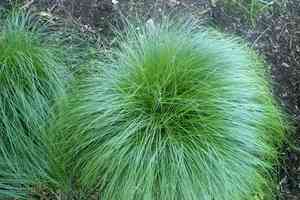
Rosy sedge serves as an excellent groundcover due to its dense, clump-forming growth habit. It can effectively fill bare spots in the garden, providing a lush, green carpet that is both attractive and functional. Using Rosy sedge as a groundcover can also help suppress weeds, reducing the need for chemical herbicides and manual weeding.
In Border Plantings
Integrating Rosy sedge into border plantings is another great way to utilize this versatile plant. Its appealing foliage and form can add texture and visual interest to garden borders. Additionally, because Rosy sedge is low-maintenance, it can be an excellent choice for edging pathways or delineating different areas of your garden.
What Are the Aesthetic Advantages of Rosy Sedge?
Appealing Foliage
Rosy sedge is visually attractive thanks to its fine-textured leaves and graceful shape. Its lush green blades can introduce a calming, natural element to any garden space. The plant's form and movement in the breeze create a dynamic landscape feature that can enhance your garden's overall beauty.
Year-Round Appeal
Rosy sedge offers continuous interest throughout the year, making it a valuable addition to any garden. In spring and summer, its vibrant green foliage is at its peak, while in autumn, the plant can develop subtle but attractive color changes. Even in winter, Rosy sedge can provide structure and visual interest, making it a versatile and aesthetically pleasing choice for all seasons.



