How to Prune Rosy sedge?
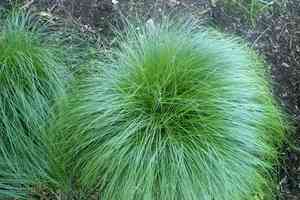
A perennial resembling grass, rosy sedge thrives with slender, finely textured leaves. For optimal upkeep, trim rosy sedge in early spring or during winter prior to the emergence of new shoots. Sever any deceased or discolored foliage down to the soil line to stimulate vigorous new development and preserve its visual charm. Consistent trimming aids rosy sedge by fostering more robust, thicker growth and averting excessive density, which assists in warding off diseases by improving air circulation around the specimen. Make precise cuts to prevent harm to the fragile stalks.
Advantages of Trimming Rosy Sedge
Advantages of Trimming Rosy Sedge
Trimming rosy sedge encourages robust development and helps maintain its compact, appealing form. Consistent pruning can prevent excessive growth and ensure the plant remains visually attractive and thriving.
Optimal Period for Pruning Rosy Sedge
Optimal Period for Pruning Rosy Sedge
Pruning rosy sedge in early spring is ideal as it prepares the plant for new growth by removing any dead or damaged foliage from the winter, thus promoting healthier and more vigorous development. Pruning during winter is advantageous because rosy sedge is dormant, which minimizes stress on the plant. This timing prevents the cutting of new buds that form in spring, ensuring the plant's energy is directed to new growth. Both seasons allow for a clear view of the plant's structure, facilitating more precise cuts and ultimately contributing to the overall health and aesthetic form of rosy sedge.
Tools Required for Pruning Rosy Sedge
Hand Pruners or Scissors
Given the slender and delicate structure of the foliage of rosy sedge, small hand pruners or sharp garden scissors are ideal. These tools offer precise cutting, making it easier to trim back dead or overgrown leaves without damaging the healthy parts of the plant.
Gardening Gloves
While not a cutting tool per se, wearing gardening gloves is recommended to protect your hands from cuts and ensure a safe pruning process when handling rosy sedge.
How to Prune Rosy Sedge
Identify
Identify and prepare the parts of rosy sedge that need pruning, focusing on diseased and withered leaves. Ensure to wear gloves and use sharp, clean shears to prevent the spread of disease.
Clean cut
Make clean cuts on rosy sedge close to the base of the affected leaves. Avoid tearing or jagged cuts as they can introduce pathogens and cause further damage to the plant.
Disposal
Carefully collect and dispose of the removed foliage from rosy sedge. Diseased leaves should be thrown away or burned to prevent contamination of the compost or surrounding area.
Check health
Inspect the remaining foliage of rosy sedge for any signs of pests or additional disease. Removing affected parts early can prevent widespread issues.
Clean tools
Clean and sanitize your shears after finishing the pruning process. This is crucial to avoid transferring any potential diseases to other plants in the future.
Common Pruning Mistakes with Rosy Sedge
Over pruning
Many gardeners mistakenly remove too much foliage from rosy sedge, thinking it will stimulate new growth. This can stress the plant and reduce its vigour.
Incorrect cutting technique
Using dull or unsanitary tools can damage the stems of rosy sedge, leading to uneven cuts and potential disease entry points.
Pruning at base
Cutting rosy sedge back to the ground can harm the root system and inhibit the plant's ability to recover, as rosy sedge benefits from retaining a portion of its foliage year-round.
Common Pruning Tips for Rosy Sedge
Use sharp tools
Always use sharp, clean pruning shears to make clean cuts. This helps prevent injury to rosy sedge and ensures faster healing of the cut areas.
Prune for shape
Lightly trimming the tips of rosy sedge can help maintain its natural mound shape and encourage denser growth.
Clean up dead material
Regularly removing dead or damaged foliage from rosy sedge will improve its appearance and overall health, facilitating better air circulation and light penetration.



