How to Transplant Prairie sedge?
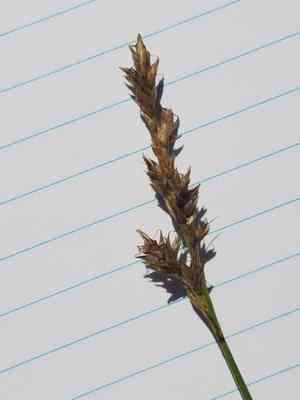
The most suitable time for relocating prairie sedge is between early and mid-spring, when the plant is in an active growth phase. Select a damp, adequately draining spot that receives partial to full sunlight. Verify that the environment replicates its native setting to ensure successful establishment.
What Preparations are Needed Before Transplanting Prairie Sedge?
What is the Ideal Time for Transplanting Prairie Sedge?
Prairie sedge, a perennial, thrives when moved from 'early to mid spring.' During this period, soil conditions are perfect, with rising temperatures aiding root establishment. Transplanting then maximizes nutrient absorption and ensures vigorous growth during the active season, laying the groundwork for a healthy, robust plant.
How Much Space Should You Leave Between Prairie Sedge Plants?
To optimize prairie sedge growth, position them 12-18 inches (30-45 cm) apart. This spacing provides ample room for expansion and flourishing without excessive competition for resources.
What is the Best Soil Mix for Prairie Sedge Transplanting?
Prepare well-draining soil for prairie sedge. They prefer moist, fertile ground, so incorporating compost or aged manure will enhance nutrient content. Avoid heavy clay soils unless amended.
Where Should You Relocate Your Prairie Sedge?
Select a location with partial shade to full sun for prairie sedge. They flourish with at least 4-6 hours of daily sunlight, though they can endure full sun in cooler climates.
What Equipments Should You Prepare Before Transplantation Prairie Sedge?
Gardening Gloves
To safeguard your hands while handling soil and plants.
Shovel or Spade
For digging and extracting the plant from its initial spot.
Garden Fork
To gently loosen the soil surrounding the root ball.
Watering Can or Hose
For hydrating the plant before and after relocation.
Transplanting Trowel
For precise digging and placement in the new site.
Mulch
To retain moisture and suppress weeds around the newly planted specimen.
How Do You Remove Prairie Sedge from the Soil?
How Do You Remove Prairie Sedge from the Soil?
From Ground: First, moisten the prairie sedge plant to dampen the soil. Then, excavate a wide trench around the plant using a shovel or spade, ensuring the root ball remains intact. Carefully work the spade beneath the root ball to lift the plant from its original position.From Pot: Thoroughly water the prairie sedge plant and allow the water to penetrate. Gently tap the pot's sides to loosen the soil and roots. Hold the plant's base and carefully tilt the pot, easing the plant out with the root ball intact.From Seedling Tray: Water the seedlings prior to removal to keep the soil moist. Use a transplanting trowel or spoon to gently lift each seedling from the tray, ensuring the root ball is undamaged.
Step-by-Step Guide for Transplanting Prairie Sedge
Site Preparation
Clear the area of weeds and debris. Dig a hole twice as wide and the same depth as the prairie sedge's root ball. Ensure the hole is ready before removing the plant from its original location.
Root Ball Inspection
Examine the root ball for any damaged or circling roots and gently untangle them. Trim off any broken or excessively long roots with sterilized shears.
Placing the Plant
Position the prairie sedge plant into the prepared hole, ensuring it sits at the same soil depth as it was in its original spot. Fill the hole with soil, gently firming it around the root ball.
Watering
Thoroughly water the prairie sedge plant immediately after planting to settle the soil around the roots. Ensure the water reaches the root zone.
How Do You Care For Prairie Sedge After Transplanting?
Watering
Maintain consistent moisture in the soil around the prairie sedge, avoiding sogginess, for the initial weeks post-transplant to aid in strong root establishment.
Mulching
Apply a layer of mulch around the base of the prairie sedge to conserve moisture and inhibit weed growth. Ensure the mulch does not touch the plant's stem to prevent rot.
Monitoring
Regularly inspect the prairie sedge for signs of stress like wilting or yellowing leaves. Address any issues promptly to support the plant's recovery and development.
Troubleshooting Common Issues with Prairie Sedge Transplantation.
When is the best time to transplant prairie sedge?
Early to mid-spring is ideal for relocating prairie sedge.
How much space should I leave between prairie sedge plants?
Prairie sedge plants should be spaced 12-18 inches (30-45 cm) apart.
How do I prepare the soil for prairie sedge transplanting?
Loosen the soil and incorporate organic compost for improved root establishment.
Should I water prairie sedge immediately after transplanting?
Yes, water thoroughly right after transplanting to help roots settle.
How deep should I plant prairie sedge during transplanting?
Plant prairie sedge at the same depth it was in its original pot.
What should I do if prairie sedge appears wilted after transplanting?
Keep the soil consistently moist but not waterlogged. Partial shade might aid recovery.
Can I use fertilizer when transplanting prairie sedge?
Use a balanced, slow-release fertilizer to encourage steady growth.
How do I protect prairie sedge from transplant shock?
Transplant on a cloudy day or late afternoon to reduce stress and water thoroughly.
How do I handle prairie sedge roots when transplanting?
Gently tease apart tangled roots to encourage outward growth.
What could cause yellowing of prairie sedge leaves post-transplant?
Yellowing could be due to overwatering, underwatering, or poor soil drainage. Check and adjust accordingly.



