How to Propagate Prairie sedge?
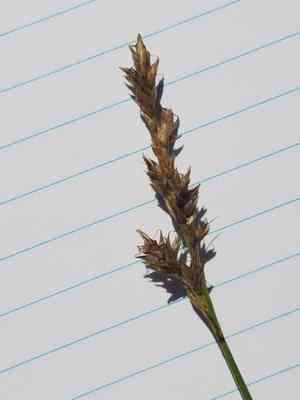
Prairie sedge flourishes when reproduced via separation, a technique perfectly aligned with its natural development. Split the clusters every few years in the early spring, making sure each segment possesses sufficient root mass. Gently sever the clumps with a keen blade or shovel, reducing harm to the plant's root system. Replant the separated portions without delay, preserving soil dampness and offering filtered light to aid the new specimens in settling. This strategy fosters more robust, energetic development and assists in controlling the dimensions of prairie sedge within cultivated areas.
Optimal Period for Prairie Sedge Propagation
Propagation Method
Division
Propagation Period
Spring,Autumn
Tools Required for Prairie Sedge Propagation
Garden Spade or Fork
Crucial for excavating and lifting the root masses of prairie sedge. A spade or fork with sharp, robust tines is perfect for penetrating dense soil without harming the root system. This implement aids in carefully digging around and beneath the root ball to facilitate effective division.
Pruning Shears
Utilized for trimming roots and cutting back any excess foliage before dividing prairie sedge. Sharp, clean pruning shears ensure precise cuts, fostering healthier regrowth and preventing disease spread.
Gardening Gloves
Shield hands from sharp objects and dirt while handling prairie sedge. Gloves made from durable material improve grip and prevent slippage during the division process, ensuring safety and accuracy.
Watering Can or Hose with a Gentle Spray Setting
Essential for irrigating prairie sedge immediately after planting. Sufficient hydration is vital for recovery and establishment in a new location. A gentle spray helps settle the soil around the roots without causing erosion or dislodging the newly planted divisions.
Rooting Hormone (optional)
Prairie sedge generally propagates well via division, but applying a rooting hormone to the cut surfaces can stimulate faster root development and boost the overall success rate of propagation.
Plastic Plant Labels
Useful for marking divisions, especially when propagating multiple varieties of sedge or performing sequential divisions. Labels assist in tracking growth progress and maintaining organized records of plant varieties.
How to Propagate Prairie Sedge?
Propagation Type
Easy
Post-Propagation Care for Prairie Sedge
Post-Propagation Care for Prairie Sedge
Following propagation, care for prairie sedge by maintaining consistent soil moisture without over-saturating, as prairie sedge prefers damp but well-drained conditions. Mulching can help retain soil moisture and suppress weeds. Minimal fertilization is necessary; a light application of a balanced, slow-release fertilizer in early spring can support growth. Avoid heavy pruning; only remove dead or damaged foliage to maintain plant health and appearance.
Common Errors to Avoid When Propagating Prairie Sedge
Overwatering
Excessive watering of prairie sedge can lead to root rot and fungal issues due to its preference for well-drained soil. Saturated conditions are detrimental as they hinder root development and can kill the plant.
Deep planting
Planting prairie sedge too deeply can bury its crowns, resulting in rot and reduced vigor. This error can prevent the proper emergence of new shoots, severely impacting the plant's growth and spread.
Neglecting division timing
Dividing prairie sedge at inappropriate times can lead to poor establishment and survival. Incorrect timing of division can stress the plant, reducing its vitality and propagation success.
Tips For Propagating Prairie Sedge
Soil preparation
Prepare a well-draining soil mixture to encourage healthy root growth for prairie sedge. Ensuring proper drainage is crucial to prevent waterlogging and the associated risks of root diseases.
Appropriate depth
Plant divisions of prairie sedge at the correct depth, ensuring that the crown is just at or slightly above the soil surface. This helps prevent crown rot and supports healthier growth.
Regular monitoring
Regularly check the soil's moisture levels when propagating prairie sedge to prevent overwatering. Adequate but not excessive watering is key to encouraging robust root development.



