How to Prune Prairie sedge?
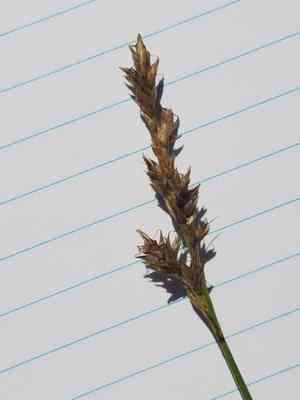
A persistent grass, prairie sedge is recognized for its capacity to flourish in grassland-like settings. The most effective trimming takes place in early spring or throughout winter to foster robust development and preserve an appealing shape. Eliminate deceased or injured leaves and trim back mature growth to the soil surface to stimulate fresh sprouts. Consistent trimming prevents excessive growth and enhances the vitality of prairie sedge, guaranteeing strong health and an attractive look across the entire growing period.
What Are the Benefits of Pruning Prairie Sedge?
What Are the Benefits of Pruning Prairie Sedge?
Trimming prairie sedge promotes robust development and helps maintain its desired shape. Regular cutting eliminates old growth, fostering denser and fresher foliage, essential for a healthy and attractive look.
What Is the Best Time for Pruning Prairie Sedge?
What Is the Best Time for Pruning Prairie Sedge?
Pruning prairie sedge in early spring is beneficial as it prepares the plant for new growth by removing old or dead foliage before the active growing season begins. This timing also allows prairie sedge to recover from pruning cuts during a period of vigorous growth, which can enhance its health and vigor. Winter pruning is effective because prairie sedge is dormant during this season, reducing stress on the plant. Trimming back prairie sedge in winter minimizes the risk of disease transmission through pruning cuts, as many pathogens are less active in cold weather. Additionally, the lack of foliage during winter provides a clearer view of the plant structure, facilitating more precise pruning.
What Tools Do I Need to Prune Prairie Sedge?
Hand Pruners
Perfect for selectively cutting back dead or overgrown blades in prairie sedge. They are sharp and provide a clean cut, which helps prevent damage to the plant tissues.
Gardening Scissors
Suitable for trimming and shaping the smaller, finer blades of prairie sedge. They allow for precise cuts, making them perfect for detailed pruning tasks.
How to Prune Prairie Sedge
Clean tools
Before starting the pruning process, ensure all tools, such as scissors or pruning shears, are clean and sharp. Disinfect the tools to prevent spreading any diseases between plants.
Identify
Carefully examine prairie sedge to identify which leaves are diseased or withered. These are typically discolored, brown, or have visible damage and do not contribute positively to the health or aesthetics of prairie sedge.
Cut diseased leaves
Using your clean and sharp tools, carefully trim off the diseased leaves at the base where they meet the stem or soil. Make clean cuts to avoid tearing, which can create new entry points for pathogens.
Cut withered leaves
Similarly, remove the withered leaves, which are old and dried out, by cutting them at the base. This helps improve ventilation and light penetration around the healthy parts of prairie sedge.
Disposal
Dispose of the removed leaves properly to prevent any spread of disease. Do not compost diseased or withered material, as this can contaminate your compost and subsequently affect other plants.
Common Pruning Mistakes with Prairie Sedge
Over-pruning
A frequent error is removing too much foliage, which can weaken prairie sedge. It's crucial to trim only the necessary amount to encourage growth without compromising the plant's vitality.
Improper cutting technique
Using blunt or inappropriate tools can damage the stems of prairie sedge, leading to unhealthy cuts that may inhibit growth or even introduce diseases.
Neglecting dead or damaged foliage
Failing to regularly remove dead or damaged parts can lead to a buildup of pests and diseases, which stifles healthy growth and appearance.
Common Pruning Tips for Prairie Sedge
Using sharp tools
Ensure that all pruning tools are sharp and clean to make precise cuts that promote faster healing and prevent damage to prairie sedge.
Prune selectively
Focus on thinning rather than shortening. Remove older, crowded, or dead foliage to enhance air circulation and light penetration, crucial for the health of prairie sedge.
Maintain plant shape
While pruning, maintain the natural form of prairie sedge to avoid stress and encourage a balanced growth pattern. This approach is particularly important for preserving the aesthetic and vitality of the plant.



