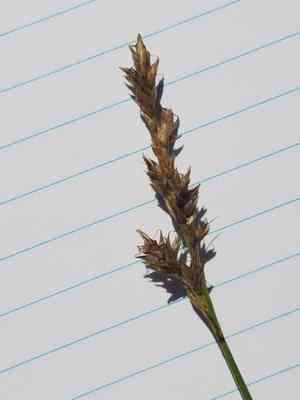
Prairie sedge (Carex prairea)
Also known as: Prairie Sedge
Carex prairea, commonly known as prairie sedge, is a perennial species native to North America.
In This Article
Attributes of Prairie sedge
Lifespan
Perennial
Plant Type
Grass
Plant Height
30 cm to 1.02 m
Spread
30-60 cm (12-24 inches)
Leaf Color
Green to blue-green
Flower Size
0.5-1 cm (0.2-0.4 inches)
Flower Color
White Yellow
Images of Prairie sedge
Quickly Identify Prairie sedge
1
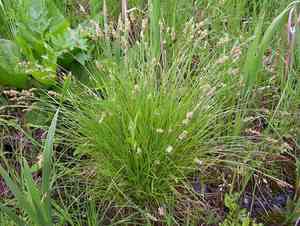
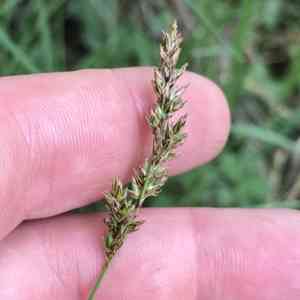
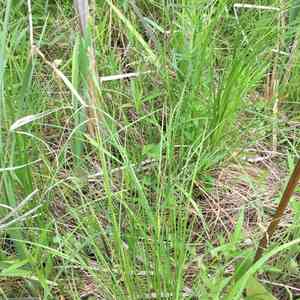
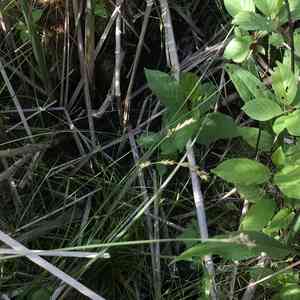
Carex prairea can be identified by its narrow, grass-like leaves that grow in dense clumps. The leaves are typically green or blue-green in color. The plant produces small, unshowy flowers on spikes that emerge from the leaf bases.
Scientific Classification of Prairie sedge
Phylum
Vascular plants
Class
Monocotyledons
Order
Poales
Family
Sedge
Genus
True sedges
Species
Prairie sedge
Planting and Growing of Prairie sedge
Care Difficulty
Easy
Watering Schedule
Every 2 days
Sunlight Requirements
Partial sun
Sunshine Duration
6-12 hours
Ideal Temperature
60-75℉
Soil Type
Potting Mix, Peat Mix
Soil pH
5.5-7.5
Fertilizer Type
Balanced
Pruning Season
Spring, Summer
Pruning Area
Branches, Leaves
Pruning Frequency
2 times a year
Repotting Season
Spring
Pot Type
Plastic, Ceramic
 How to Water Prairie sedge?
When watering Carex prairea, the key is moderation. Pour approximately 250 ml of water directly into the soil, ensuring it moistens the root zone but does not leave the soil waterlogged. A well-drained soil is vital to prevent water stagnation.
What are the symptoms of an underwatered Prairie sedge?
›
What should I do if my Prairie sedge is not getting enough water?
›
What are the symptoms of an overwatered Prairie sedge?
›
How to save an overwatered Prairie sedge?
›
 What Are the Sunlight Requirements for Prairie sedge?
Carex prairea prefers partial sun to full sun, indicating it prospers with 4 to 6 hours of sunlight. Ideal sunlight boosts photosynthesis, critical for energy production, supporting robust growth and resistance to environmental stressors.
How much sunlight does Carex prairea need daily?
›
What can you do if the sun exposure is too intense?
›
What are the benefits of ideal lighting for Carex prairea?
›
 What Is the Ideal Temperature Range for Prairie sedge?
For optimal growth, Carex prairea thrives best in temperatures ranging from 60°F to 75°F. This range provides the plant with a stable environment where its metabolic processes can proceed without stress. Consistent temperatures in this range ensure robust growth and healthier foliage.
 What Soil is Best for Prairie sedge?
Carex prairea thrives in soils that maintain consistent moisture levels. This type of soil helps prevent stress during dry spells, ensuring the plant remains lush and vibrant throughout the growing season. Rich, well-draining loam provides essential nutrients that support the robust growth of Carex prairea. Adequate nutrition ensures healthy foliage and enhances the plant's resilience against diseases. Sandy loam soils offer superior aeration capabilities, allowing roots to breathe and facilitating healthy root development. This ensures the plant’s overall vigor and contributes to a stable, thriving ecosystem.
 How to Fertilize Prairie sedge?
For Carex prairea, fertilization should be moderate. Use about half of the recommended amount on the fertilizer package for liquid fertilization due to its natural resilience and preference for meager soils. For slow-release granules, lightly sprinkle them over the topsoil, ensuring even coverage.
 How to Prune Prairie sedge?
Start by examining the Carex prairea for any dead, damaged, or diseased leaves. Use your pruning shears to carefully cut away these parts at the base of the plant. Trim any brown or faded leaves to promote fresh growth and improve air circulation. It's also beneficial to trim the tips to maintain an aesthetically appealing tufted appearance.
More About Pruning Techniques→
 How to Propagate Prairie sedge plant?
1
Begin by choosing well-draining soil that is rich in organic material for optimal growth. Mix in compost for added nutrients, ensuring the soil remains loose and aerated to support root expansion.
2
Evenly distribute the Carex prairea seeds across the surface of damp propagation trays. Lightly cover the seeds with a thin layer of soil, maintaining consistent moisture levels throughout the germination period.
3
Carefully dig up mature Carex prairea clumps during its dormancy phase. Use a sharp knife to divide the clumps into smaller sections, ensuring each division has roots attached, and replant immediately in prepared soil.
 How to Repot Prairie sedge plant?
1
Watch for signs such as roots circling the pot's bottom, growth slowdown, or water taking too long to drain. These indicate your Carex prairea might need more space, typically every 2-3 years.
2
Select a pot that's 1-2 inches larger in diameter than the current one. A pot with good drainage will prevent waterlogging. The right size ensures room for root growth, promoting overall plant health.
3
Use a sandy, well-drained soil mix rich in organic matter. Such soil allows proper air circulation and moisture control, essential for root development and plant vitality.



