The Prairie sedge Plant Advantage: Maximizing Home and Office Appeal and Wellness
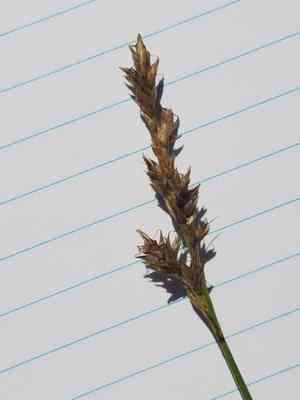
1
Prairie sedge flourishes in damp habitats, making it a prime candidate for ecological preservation initiatives.
2
This flora benefits indigenous fauna by offering shelter and sustenance.
3
Prairie sedge assists in securing soil, averting land degradation in susceptible regions.
What Are the Ecological Benefits of Prairie sedge?
Supporting Local Wildlife
Prairie sedge plays a crucial role in sustaining the biodiversity of wetland environments. This plant offers vital living spaces for various creatures, including insects, amphibians, and birds. Its dense growth forms a protected area where these animals can flourish. Furthermore, it provides a consistent food source through its seeds and leaves, which are consumed by diverse wildlife, thus contributing significantly to local food webs.
Improving Water Quality
A key ecological advantage of Prairie sedge is its capacity to enhance water purity. Growing in wetlands, this plant aids in filtering contaminants from the water. Its extensive root systems capture sediments and absorb excess nutrients like nitrogen and phosphorus, which can otherwise lead to detrimental algal blooms. This natural purification process helps maintain equilibrium in aquatic habitats, fostering healthier ecosystems overall.
How Does Prairie sedge Contribute to Soil Health?
Preventing Soil Erosion
Prairie sedge is particularly effective at preventing soil degradation. Its widespread root network binds the soil, reducing the risk of soil displacement caused by water runoff. This is essential for preserving the integrity of banks along streams, rivers, and lakes, where erosion can cause significant environmental and structural issues. By planting Prairie sedge in these vulnerable areas, you can establish a natural barrier that resists the force of flowing water.
Enhancing Soil Structure
The root systems of Prairie sedge not only prevent soil erosion but also improve soil composition. These roots create pathways in the soil, boosting its porosity and aeration. Improved soil structure supports more robust plant growth by facilitating better water absorption and root penetration. Over time, this leads to more resilient and productive ecosystems, making Prairie sedge a valuable asset in ecological restoration projects.
Why is Prairie sedge Ideal for Landscaping?
Low Maintenance Requirements
A primary advantage of using Prairie sedge in landscaping is its minimal upkeep needs. This plant is highly adaptable and can thrive in various soil types and moisture levels. Once established, it requires little care, making it an excellent choice for areas with limited maintenance resources. Its ability to endure diverse conditions also means it can be used successfully in both naturalistic and formal landscape designs.
Aesthetic Appeal
Prairie sedge offers considerable visual appeal with its delicate, grass-like foliage and attractive seed heads. It adds texture and visual interest to any landscape, creating dynamic scenes throughout the growing season. Whether used as ground cover, in mass plantings, or as a border plant, Prairie sedge can enhance the beauty of gardens and natural areas alike. Its neutral color palette complements a wide range of other plants, making it a versatile addition to various landscape designs.
What Role Does Prairie sedge Play in Conservation Efforts?
Wetland Restoration
Prairie sedge is an invaluable resource for wetland recovery initiatives. Its capacity to thrive in moist environments and improve soil and water quality makes it perfect for re-establishing healthy wetland ecosystems. Wetlands are vital for biodiversity, water filtration, and flood control, making their restoration a high priority for conservationists. By planting Prairie sedge, we can accelerate the recovery of these essential habitats.
Support for Endangered Species
Another significant contribution of Prairie sedge to conservation is its assistance to endangered species. Many wetland-dependent species rely on the habitat and resources provided by this plant. By incorporating Prairie sedge into conservation plans, we can create more resilient ecosystems that support the survival and recovery of threatened species. This plant helps ensure a balanced and biodiverse environment, which is crucial for the well-being of all species, including those at risk of extinction.



