How to Transplant Shallow Sedge?
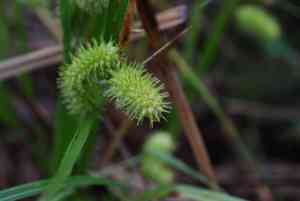
The most favorable period for transplanting shallow Sedge is at the peak of growth, from late spring to early summer, to facilitate proper root establishment. Select a damp, partially shaded spot that replicates shallow Sedge's native environment, thereby improving its chances of thriving.
What Preparations are Needed Before Transplanting Shallow Sedge?
What is the Ideal Time for Transplanting Shallow Sedge?
The best period for moving shallow Sedge is during early to mid-summer, promoting strong development. This season allows shallow Sedge to get established in the warm, active growing months, providing ample time for root growth before winter arrives. During this time, mild weather conditions support quick recovery from transplant shock, leading to a thriving display in your garden. Helpful hint: Follow this timing for a smooth transition and watch shallow Sedge flourish in its new spot.
How Much Space Should You Leave Between Shallow Sedge Plants?
When planning to move shallow Sedge, ensure adequate room for it to thrive. Ideally, a spacing of 1-2 feet (30-60 cm) between each plant should be sufficient. This will provide the necessary space, aiding its growth process.
What is the Best Soil Mix for Shallow Sedge Transplanting?
Having the right soil is crucial for shallow Sedge. It thrives in mostly moist, well-drained, fertile soils. But don't worry, a rich organic loam-based mixture should work well. Before planting, mix this soil with a slow-release fertilizer. That takes care of your plant's nutrition for a good start!
Where Should You Relocate Your Shallow Sedge?
Select an optimal spot in your garden for shallow Sedge. It prefers full sun to partial shade. So, aim for a location that receives ample sunlight, but isn't overly exposed to intense rays. Just like us, shallow Sedge enjoys a bit of sun!
What Equipments Should You Prepare Before Transplantation Shallow Sedge?
Gardening Gloves
To safeguard your hands while handling soil and the shallow Sedge plant.
Shovel or Garden Spade
To excavate holes for transplanting and to gently lift the plant from its original spot.
Garden Trowel
For more precise digging and soil removal, especially with smaller plants.
Watering Can or Hose
To supply essential moisture before and after the transplanting process.
Mulch
To cover the ground around the newly placed plant and help retain moisture.
Gardening Scissors or Pruners
To trim away any dead or excess foliage.
How Do You Remove Shallow Sedge from the Soil?
How Do You Remove Shallow Sedge from the Soil?
From Ground: Begin by hydrating the shallow Sedge plant to moisten the surrounding soil. Dig a wide circle around the plant using a shovel or spade, ensuring a safe distance to keep the root ball intact. Once the circle is dug, carefully work the spade underneath to lift the plant along with its root ball.From Pot: Water the potted shallow Sedge plant, then turn the pot sideways and gently tap it to loosen the plant. If the plant doesn't come out easily, it's acceptable to break the pot.From Seedling Tray: Dampen the soil in the tray. Push from the bottom of each cell to lift the shallow Sedge plant out, being careful not to pull on the stem as the roots are quite delicate.
Step-by-Step Guide for Transplanting Shallow Sedge
Preparation
Thoroughly water the shallow Sedge plant before moving it from its current position.
Hole Preparation
Use your shovel to dig a hole in the chosen transplanting spot. The hole should be twice the width of the root ball.
Transplanting
Lower the shallow Sedge plant into the hole. Ensure the plant sits at the same level as it was in its previous location.
Filling
Back-fill the hole with soil, gently firming it around the base of the shallow Sedge plant. Avoid pressing too hard on the soil as it might hinder proper water absorption.
Watering
Once transplanted, thoroughly water the shallow Sedge plant. This will provide necessary moisture and help eliminate any air pockets.
How Do You Care For Shallow Sedge After Transplanting?
Watering
Regularly water the shallow Sedge plant, but remember to avoid overwatering as it might lead to root rot.
Pruning
If necessary, prune the shallow Sedge plant to maintain its shape and size, encouraging healthy growth.
Mulching
Apply mulch around the base of the plant. This will help retain moisture and suppress weeds.
Periodic Checks
Regularly inspect the shallow Sedge plant for signs of stress, such as wilting or yellowing leaves. Any issues should be addressed promptly to ensure successful transplantation.
Troubleshooting Common Issues with Shallow Sedge Transplantation.
When is the most suitable time to transplant shallow Sedge?
The best period to reposition shallow Sedge falls in late summer to early fall, commonly referred to as S3 to S4 within gardening circles.
What is the ideal spacing when transplanting shallow Sedge?
Ensure that you're providing a buffer of 1-2 feet (30-60 cm), as this allows proper growth and spread for shallow Sedge.
Is special soil preparation required for shallow Sedge transplantation?
Indeed! Shallow Sedge prefers slightly acidic to neutral soil. Enrich the soil with compost, ensuring water drains properly but moisture is retained.
Why does my newly transplanted shallow Sedge look wilted?
Post-transplant shock might be the culprit. It is a common reaction. Maintain consistent watering, but avoid waterlogging to revive shallow Sedge.
How deep should I plant shallow Sedge during transplantation?
Plant shallow Sedge at the same depth it was growing before. This mitigates the chances of root exposure or deep burial that would cause stress.
How often should I water shallow Sedge after transplanting?
Initially, shallow Sedge requires consistent watering, about once a day. After the first week, you can cut back to watering once every two to three days.
Why is my transplanted shallow Sedge not growing?
Shallow Sedge may take some time to establish after transplanting. Inadequate sunlight, poor soil, or incorrect watering can also affect growth. Adjust conditions as necessary.
Is it necessary to prune shallow Sedge before transplanting?
While not absolutely needed, pruning can reduce plant stress. Trim your shallow Sedge back by about one-third before moving to promote new growth.
What do I do if the roots of shallow Sedge are damaged during transplanting?
If the roots are harmed, prune back damaged areas with a clean, sharp tool. Damaged roots can lead to diseases which affect overall plant health.
Can I transplant shallow Sedge during a cold snap?
Transplanting shallow Sedge in frigid conditions is not ideal. It's susceptible to frost damage. Postpone until the weather warms a bit.



