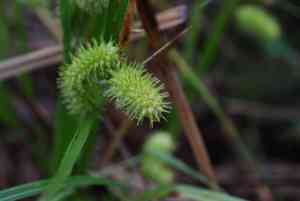
Shallow Sedge (Carex lurida)
Also known as: Sallow Sedge
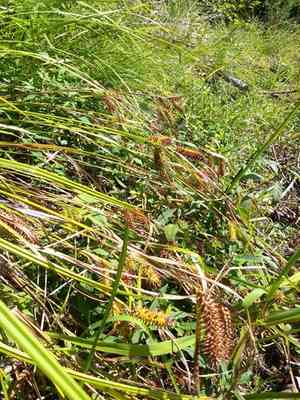
Shallow Sedge (*Carex lurida*) is a native plant found in North and South America, recognized for its bright green, grass-like foliage and distinctive yellow-green, bottlebrush-shaped flower spikes. This low-maintenance species flourishes in wet to moist soils and is commonly seen in wetlands, marshes, and along pond edges. It grows best in full sun to partial shade, adapting well to various soil types, including clay, loam, and sandy soils, as long as they remain consistently moist.
In This Article
Attributes of Shallow Sedge
Lifespan
Perennial
Plant Type
Grass
Plant Height
46 cm to 91 cm
Spread
60 cm
Leaf Color
Green
Flower Size
0.5-1 inch
Flower Color
Yellow Green
Images of Shallow Sedge
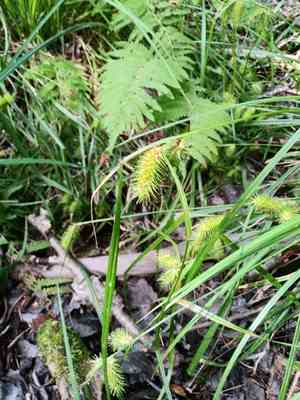
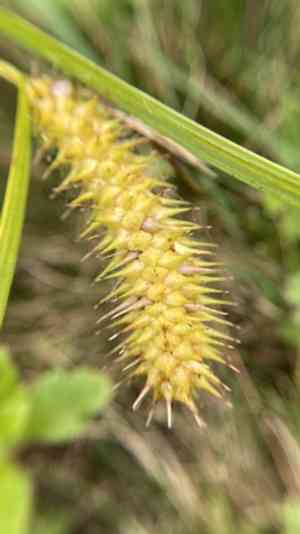
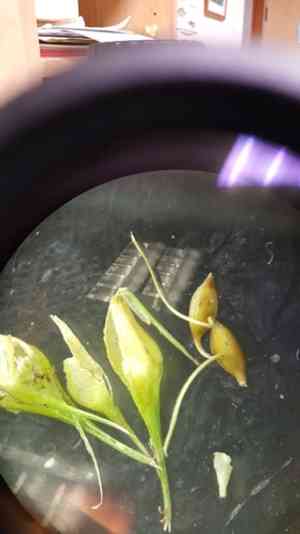
Quickly Identify Shallow Sedge
1
Look for its distinctive yellow roots and dense, tufted clumps of narrow leaves. The seed heads are cylindrical and prominently extend above the foliage. Check for wetlands or moist areas, as it prefers these habitats.
Scientific Classification of Shallow Sedge
Phylum
Vascular plants
Class
Monocotyledons
Order
Poales
Family
Sedge
Genus
True sedges
Species
Shallow Sedge
Planting and Growing of Shallow Sedge
Care Difficulty
Easy
Watering Schedule
Every 8 days
Sunlight Requirements
Partial sun
Sunshine Duration
4-6 hours
Ideal Temperature
65-75℉
Soil Type
Potting Mix, Peat Mix
Soil pH
5-7.5
Fertilizer Type
Balanced
Pruning Season
Spring, Summer
Pruning Area
Branches, Leaves
Pruning Frequency
2 times a year
Repotting Season
Spring
Pot Type
Plastic, Ceramic
 How to Water Shallow Sedge?
Carex lurida prefers consistently moist conditions, but it's important not to let the plant sit in standing water. Aim for around 250 ml per watering session to thoroughly moisten the soil without causing waterlogging.
What are the symptoms of an underwatered Shallow Sedge?
›
What should I do if my Shallow Sedge is not getting enough water?
›
What are the symptoms of an overwatered Shallow Sedge?
›
How to save an overwatered Shallow Sedge?
›
 What Are the Sunlight Requirements for Shallow Sedge?
Carex lurida prefers partial sunlight. Ideal light ensures strong, healthy foliage and prevents stress-associated conditions. Adequate light also promotes full blooms and strong growth patterns while minimizing risks of diseases and pests.
More About Sunlight Requirements Techniques→
What are ideal light conditions for Carex lurida?
›
What solutions can ensure ideal lighting?
›
What benefits does Carex lurida gain from ideal light?
›
 What Is the Ideal Temperature Range for Shallow Sedge?
Carex lurida thrives best in temperatures between 65°F and 75°F. These conditions ensure healthy growth and maximal photosynthetic efficiency. In this range, the plant can maintain its metabolic processes effectively, leading to vigorous development.
 What Soil is Best for Shallow Sedge?
Carex lurida thrives in soil that retains moisture well, ensuring consistent hydration. This is beneficial because it mimics the plant’s natural habitat, leading to healthier growth and more vibrant foliage. Rich, loamy soil packed with organic matter is ideal for Carex lurida, as it provides essential nutrients that support vigorous growth and associated wildlife. Adequate nutrients help the plant resist diseases and pests more effectively. While this sedge enjoys moisture, it also requires soil that drains well to prevent root rot. Ensuring good drainage prevents waterlogging and encourages optimal root development.
 How to Fertilize Shallow Sedge?
Carex lurida should typically receive about half the recommended amount printed on the fertilizer package, as over-fertilizing can harm this plant. When applying liquid fertilizers, use a solution that is well-diluted, approximately half of the normal strength, to avoid saturating the soil with excess nutrients.
 How to Prune Shallow Sedge?
Begin by identifying any dead, damaged, or yellowing leaves. Use sharp scissors or garden shears to snip these away at the base, taking care not to disturb healthy growth. Trim excess growth by cutting back up to one-third of the plant to maintain a tidy shape and promote new shoots. Ensure cuts are clean to minimize stress on the plant.
More About Pruning Techniques→
 How to Propagate Shallow Sedge plant?
1
Start by filling a seed tray with a high-quality seed starting mix. Ensure the soil is moist but not waterlogged. This step is crucial for optimal seed germination conditions.
2
Scatter the lurid sedge seeds evenly over the prepared soil. Cover them lightly with a thin layer of soil or vermiculite. Ensure that the seeds are not buried too deep, as this can impede germination.
3
Dig up the mature plant and carefully separate the root clumps using a sharp knife. Ensure each section has ample roots and foliage. Plant the divided sections into prepared soil immediately to prevent root drying.
 How to Repot Shallow Sedge plant?
1
Carex lurida should be repotted when roots start to outgrow the current pot or the soil becomes compacted. A key indication is reduced growth or visible roots through drainage holes, signaling the need for more space.
2
Select a pot that is one size larger than the current one, with ample drainage holes. This helps prevent waterlogging, ensuring the roots don't drown. Clay pots are excellent as they also allow breathability around the roots.
3
Use a soil mix that retains moisture but drains efficiently. A combination of peat, perlite, and sand is ideal. It helps maintain the boggy conditions Carex lurida prefers without causing root rot.



