The Shallow Sedge Plant Advantage: Maximizing Home and Office Appeal and Wellness
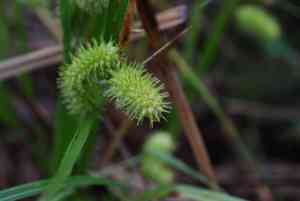
1
Shallow Sedge flourishes in marshy areas, offering vital refuge for various creatures.
2
Its root system aids in preventing soil degradation, enhancing ground firmness.
3
Shallow Sedge enhances water purity through pollutant filtration, fostering more robust ecosystems.
Ecological Advantages of Shallow Sedge
Wildlife Sanctuary
Shallow Sedge provides a vital living space for diverse animal species. Birds, amphibians, and insects find shelter within its dense foliage, while its seeds and stems offer sustenance. This plant supports biodiversity by fostering a thriving ecosystem, offering a secure refuge for creatures in wetland environments.
Soil Stabilization
The extensive root systems of Shallow Sedge are crucial for stabilizing the soil, effectively preventing erosion. By anchoring the soil in place, it reduces the risk of land degradation often caused by water movement in wetlands. This characteristic makes Shallow Sedge an excellent choice for wetland restoration projects focused on maintaining landscape stability.
Water Purification
Shallow Sedge is well-known for its capacity to filter pollutants from water. The plant's root structure traps sediments and absorbs excess nutrients, thereby decreasing the amount of contaminants that reach larger water bodies. This filtration process not only cleanses the water but also enhances the overall health of aquatic ecosystems.
How Shallow Sedge Benefits Human Endeavors?
Landscape Design and Visual Appeal
Shallow Sedge adds a distinctive element to landscaping projects, especially in naturalistic and wetland gardens. Its lush, grass-like appearance and adaptability to various moisture levels make it a versatile plant for aesthetic purposes. It can be used to create visually pleasing features in both private and public green spaces.
Agricultural Applications
Farmers and land managers employ Shallow Sedge to support sustainable farming practices. The plant helps improve water retention in agricultural lands, lessening the need for frequent irrigation. Furthermore, it acts as a natural barrier against soil erosion, preserving valuable topsoil for crop production.
Recreational Spaces
In parks and recreational areas, Shallow Sedge contributes to the creation of tranquil and natural settings. Its presence in wetland areas enhances the beauty and ecological value of these spaces, encouraging outdoor activities such as bird watching and nature trails. By maintaining healthy wetlands, Shallow Sedge indirectly supports tourism and recreational opportunities.
Shallow Sedge's Role in Environmental Preservation
Wetland Restoration
Shallow Sedge is frequently utilized in wetland restoration initiatives due to its resilience and ecological benefits. Its ability to thrive in saturated soils helps re-establish plant communities in degraded wetlands, thereby restoring natural water flow patterns and improving overall ecological functions. Restoration efforts employing Shallow Sedge promote the recovery of habitats critical for wildlife and plant diversity.
Carbon Sequestration
Wetlands, where Shallow Sedge commonly flourishes, serve as significant carbon sinks. The accumulation of plant material in these areas sequesters carbon dioxide from the atmosphere, playing a role in mitigating climate change. Shallow Sedge, with its robust growth and high biomass production, contributes to this carbon capture process, highlighting its environmental importance.
Pollution Reduction
Beyond its water filtration capabilities, Shallow Sedge helps mitigate pollution through phytoremediationâthe process by which plants absorb and break down contaminants from the environment. This natural cleansing mechanism aids in the reduction of harmful substances in both soil and water, fostering a more sustainable and healthier ecosystem.



