How to Prune Shallow Sedge?
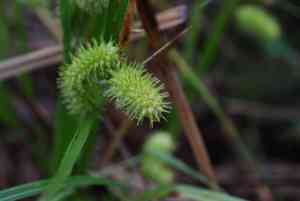
Carex lurida, a perennial that favors damp conditions, flourishes in marshlands and humid grasslands. Essential trimming methods include cutting back faded flower stems and withered leaves. The most effective time for pruning is in early spring or during winter while Carex lurida is inactive. Trimming at these periods stimulates robust development and sustains the plant's well-being. Consistent elimination of aged plant matter deters self-propagation and excessive density, enhancing air circulation and lowering the likelihood of illness.
Advantages of Trimming Shallow Sedge
Advantages of Trimming Shallow Sedge
Trimming shallow Sedge promotes robust development and assists in preserving its desired shape. Consistent cutting eliminates old leaves, stimulating fresh growth for a denser, more vibrant look.
Optimal Time for Trimming Shallow Sedge
Optimal Time for Trimming Shallow Sedge
Trimming shallow Sedge in early spring is ideal as it coincides with the plant's growth cycle, enabling gardeners to shape it and remove winter-damaged foliage before energy is directed to new growth. Winter pruning is beneficial because shallow Sedge is dormant then; removing dead or excess foliage doesn't stress the plant, fostering healthier, more vigorous spring growth.
Tools Required for Trimming Shallow Sedge
Hand Pruners
Shallow Sedge is a type of sedge that typically has a grass-like appearance with dense clumps of foliage. Hand pruners, or secateurs, are perfect for selectively thinning out old or dead foliage. They provide a clean cut that is essential for the health of shallow Sedge.
Grass Shears
For trimming the tips or shaping shallow Sedge, grass shears are appropriate. They allow for a precise cut and are specifically designed for grasses, making them ideal for maintaining the form of shallow Sedge without harming the plant.
Long-Handled Loppers
If shallow Sedge is growing in a dense cluster, long-handled loppers can be used to reach the plant's center to remove dead or damaged growth without needing to step into a wetland or reach uncomfortably.
Garden Scissors
Shallow Sedge may require delicate trimming of its slender foliage, for which garden scissors are well-suited. Their smaller blades offer accuracy and can navigate through tight spots within shallow Sedge's dense growth.
How to Trim Shallow Sedge
Sanitize tools
Before beginning, ensure all trimming tools are disinfected to prevent disease spread to shallow Sedge. Use a bleach or alcohol solution to wipe the blades of pruning shears or scissors.
Identify diseased leaves
Carefully inspect shallow Sedge to locate any diseased leaves. Look for leaves with unusual spots, discoloration, or signs of rot, indicating illness.
Remove diseased leaves
Using the sanitized pruning shears, cut the diseased leaves at their base, near the crown of shallow Sedge. Make clean cuts and avoid tearing the foliage to minimize plant damage.
Identify withered leaves
Locate withered or dead leaves on shallow Sedge. These are typically brown, dry, and may be crumpled or easily detached from the plant.
Remove withered leaves
Trim away the withered leaves in the same manner as the diseased leaves, cutting them at the base to remove them completely from shallow Sedge. This helps improve air circulation and redirects shallow Sedge's energy to healthier growth.
Common Trimming Errors with Shallow Sedge
Excessive trimming
Removing too much foliage from shallow Sedge at once can stress the plant and impede its growth. Generally, no more than one-third of the plant should be removed in a single trimming session.
Poor tool maintenance
Using dull or dirty trimming tools can result in jagged cuts and increase the risk of disease transmission. It is crucial to use sharp, sanitized shears for clean cuts.
Trimming healthy parts
Unnecessarily cutting away healthy growth can hinder shallow Sedge's natural shape and vigor. It's important to focus on removing dead or damaged foliage.
Neglecting deadheading
Failing to remove spent flower stems can lead to a messy appearance and reduce the likelihood of new blooms. Deadheading is an essential aspect of maintaining shallow Sedge's aesthetics.
Incorrect cut placement
Making cuts too far from the node or base can leave unsightly stubs that may attract pests or disease. Trimming should be done close to the base of the foliage to promote better healing and regrowth.
General Trimming Advice for Shallow Sedge
Visual assessment
Examine shallow Sedge carefully to identify areas needing attention. Focus on dead, diseased, or damaged foliage that should be removed to improve plant health.
Gradual trimming
Approach trimming gradually, removing small amounts at a time and evaluating the plant's shape as you proceed. This helps prevent over-trimming and allows for more precise shaping.
Proper technique
Utilize an angled cut when trimming to encourage water runoff and prevent rot. Ensure the cut is clean and smooth to facilitate quicker healing.
Post-trimming care
After trimming, water and fertilize shallow Sedge adequately to support its recovery and new growth. This aftercare is vital for the plant's resurgence.
Routine upkeep
Regularly inspect shallow Sedge for trimming needs, as consistent maintenance is easier on the plant and helps maintain its density and form throughout the growing season.



