How to Propagate Shallow Sedge?
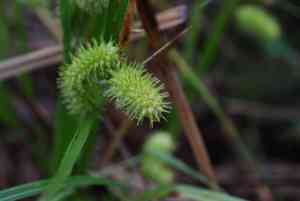
Shallow Sedge flourishes when multiplied via separation, a simple yet potent technique suited to its developmental patterns. Cultivators ought to concentrate on splitting the specimen during periods of vigorous development to guarantee optimal outcomes. Gently detach the root masses, making certain each fresh segment possesses sufficient roots and nascent stems. This guarantees a prosperous relocation and integration into new environments, facilitating seamless acclimation and sustained well-being.
Optimal Period for Propagating Shallow Sedge?
Propagation Method
Division
Propagation Period
Spring,Autumn
Tools Required for Shallow Sedge Propagation?
Sharp knife or garden shears
A keen knife or garden shears are vital for making clean cuts through the rhizomes of shallow Sedge during division. This ensures each segment has intact roots and a plant section, essential for successful regrowth. Precise, clean cuts minimize tissue damage, reducing stress and infection risk.
Garden fork or spade
These implements are used to gently lift shallow Sedge from the ground, minimizing root damage during the division process. A garden fork is particularly useful for loosening the soil around shallow Sedge, facilitating easier extraction of the plant with adequate root mass attached.
Watering can with a gentle nozzle
After replanting, it's crucial to water shallow Sedge carefully to prevent soil erosion from the roots. A watering can with a soft nozzle ensures even water distribution across the planting area, providing necessary hydration to help shallow Sedge recover from transplant shock.
Rooting hormone (optional)
While not mandatory, applying a rooting hormone can boost root development in shallow Sedge divisions. This can be especially beneficial for ensuring new plants establish quickly and strongly, increasing overall propagation success.
Potting mix or a suitable growing substrate
Following division, each shallow Sedge segment should be replanted in a potting mix that supports healthy drainage and root growth. A substrate mimicking shallow Sedge's natural growing conditions will encourage faster recovery and growth, aiding in the successful establishment of new plants.
How to Propagate Shallow Sedge?
Propagation Difficulty
Easy
How to Care for Your Newly Propagated Shallow Sedge?
How to Care for Your Newly Propagated Shallow Sedge?
After propagation, maintain consistently moist soil as shallow Sedge thrives in wet conditions. Provide partial to full sunlight based on local climate. Mulch around the base of shallow Sedge to retain soil moisture and deter weeds. Lightly fertilize with a balanced feed during the growing season to support healthy development.
Common Mistakes to Avoid When Propagating Shallow Sedge
Inadequate soil choice
Using unsuitable soil types for shallow Sedge can impede root development and reduce moisture retention, which is crucial for this water-loving plant.
Improper water levels
Both overwatering and underwatering shallow Sedge can lead to poor root health. Consistent moisture is vital, but excessive water may cause root rot.
Overcrowding during planting
Planting shallow Sedge too closely restricts available nutrients and space needed for growth, resulting in weaker plants and diminished propagation success.
Tips For Propagating Shallow Sedge
Utilize wetland-mimicking soil
Employing a soil blend that imitates wetland conditions, such as one rich in organic matter, will support the root development and overall health of shallow Sedge.
Maintain consistent moisture
Ensure the soil remains uniformly moist, but not waterlogged, to encourage healthy root propagation for shallow Sedge.
Adequate spacing
Allow sufficient room between each shallow Sedge planting to promote robust growth and prevent nutrient competition, fostering a successful propagation environment.



