How to Transplant James' sedge?
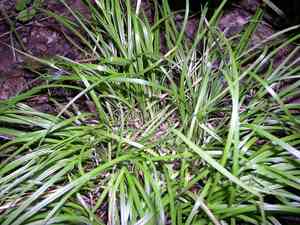
James' sedge flourishes when moved between early and late spring, allowing it to settle prior to the summer warmth. Select a site with partial shade and ample moisture for peak development. Confirm the root area is thoroughly watered during transplantation.
Essential Preparations Before Relocating James' Sedge
Optimal Period for Relocating James' Sedge?
The best window for moving james' sedge is from the beginning of spring to its end. Relocating during this time allows the plant to establish its root system prior to summer's heat, promoting vigorous development. Furthermore, mild temperatures and increased moisture help minimize transplant shock, leading to more robust and resilient plants.
Recommended Spacing Between James' Sedge Plants?
When relocating james' sedge, ensure each plant is positioned approximately 12-18 inches (30-45 cm) apart to provide ample room for growth and expansion. This promotes healthy development and reduces the likelihood of overcrowding.
Ideal Soil Blend for James' Sedge Relocation?
Prepare a well-draining, nutrient-rich soil for james' sedge. Incorporate some organic compost or a balanced, slow-release granular fertilizer to enhance soil nutrients, ensuring your plant has a strong start in its new environment.
Where to Replant Your James' Sedge?
Select a spot for james' sedge that receives partial to full shade, as this plant thrives best away from direct sunlight. Ensure the location has some natural light but is shielded from intense sun to prevent wilting.
Equipment Required Before Transplanting James' Sedge
Gardening Gloves
To safeguard your hands while handling soil and the plant.
Shovel or Spade
For digging around and lifting the plant from its original spot.
Trowel
To create planting holes in the ground.
Watering Can or Hose
To keep the plant and soil hydrated during and after relocation.
Pruning Shears
To trim any damaged or excess roots and foliage.
Mulch
To help retain soil moisture and protect the plant's roots.
Bucket or Container
To transport the plant if it's being moved from a pot or seedling tray.
How to Extract James' Sedge from the Ground?
How to Extract James' Sedge from the Ground?
From Ground: First, hydrate the james' sedge plant to moisten the soil. Next, dig a wide trench around the plant using a shovel or spade, ensuring the plant's root ball remains intact. Carefully work the spade beneath the root ball to lift the plant from its initial location.From Pot: Water the james' sedge thoroughly to make the soil easier to manage. Gently tap the pot's sides to loosen the soil. Hold the plant's base and carefully slide it out of the pot, keeping the root ball whole.From Seedling Tray: Water the seedling tray to dampen the soil. Use a trowel or spoon to carefully lift the james' sedge seedling, ensuring the root system is not disturbed.
Step-by-Step Guide for Relocating James' Sedge
Site Preparation
Prepare the new planting area by digging a hole that is twice the width and the same depth as the root ball of james' sedge.
Planting
Place the james' sedge into the hole, ensuring the top of the root ball is level with the surrounding soil. Backfill the hole with the excavated soil, gently firming it around the roots as you proceed.
Watering
Thoroughly water the james' sedge immediately after planting to settle the soil and remove any air pockets.
Mulching
Apply a layer of mulch around the base of james' sedge to conserve moisture and stabilize soil temperature.
Post-Transplant Care for James' Sedge
Watering
Keep the soil around the james' sedge consistently moist, but not waterlogged, for the initial weeks after transplanting to aid in root establishment.
Protection
Consider using a temporary cover if transplanting during harsh weather to shield the james' sedge from intense sun, heavy rain, or wind.
Monitoring
Regularly inspect the james' sedge for any indications of stress such as wilting or yellowing leaves, adjusting watering and care as necessary.
Resolving Common Issues with James' Sedge Transplantation.
When is the best time to transplant james' sedge?
The ideal period for transplanting james' sedge is from early spring to late spring.
What spacing should I use between james' sedge plants?
Space james' sedge plants ideally 12-18 inches (30-45 cm) apart to ensure healthy growth.
How do I prepare the soil for james' sedge transplantation?
Loosen the soil and mix in organic compost to improve drainage and nutrient content.
What should I do if james' sedge wilts after transplantation?
James' sedge may wilt due to transplant shock. Keep it well-watered and provide partial shade temporarily.
How deep should I plant james' sedge seedlings?
Plant james' sedge seedlings at the same depth they were growing previously in the container.
How do I water james' sedge after transplanting?
Water james' sedge thoroughly right after transplanting and maintain moist (not soggy) soil.
What type of mulch is best for james' sedge?
Use organic mulch, like bark or straw, around james' sedge to retain moisture and control weeds.
What is the ideal transplant size for james' sedge?
Transplant james' sedge when it is small and manageable, usually a few inches tall.
How can I prevent root damage when transplanting james' sedge?
Gently loosen roots before planting and handle the plant with care to avoid breakage.
Do I need to fertilize james' sedge after transplanting?
Boost james' sedge with a balanced, slow-release fertilizer post-transplant for healthy root development.



