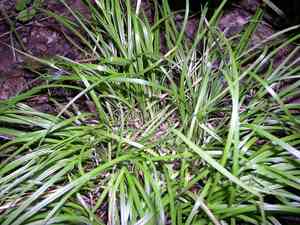
James' sedge (Carex jamesii)
Also known as: James's sedge, Grass Sedge
In the genus Carex, Carex jamesii is classified under the section Phyllostachyae (also known as Phyllostachys) and is the species most closely related to Carex juniperorum.
In This Article
Attributes of James' sedge
Lifespan
Perennial
Plant Type
Grass
Plant Height
10 cm to 36 cm
Spread
N/A
Leaf Color
Green
Flower Size
N/A
Flower Color
Brownish
Images of James' sedge
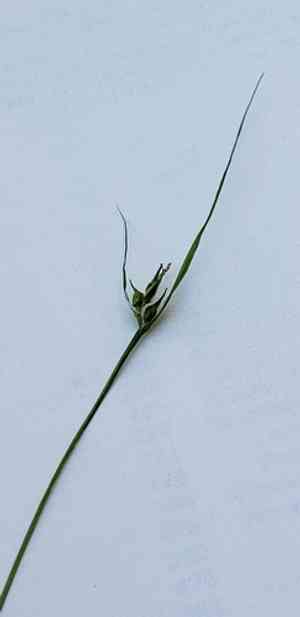
Quickly Identify James' sedge
1
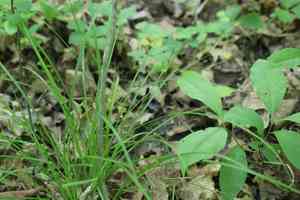
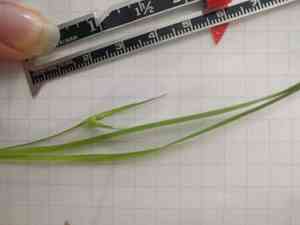
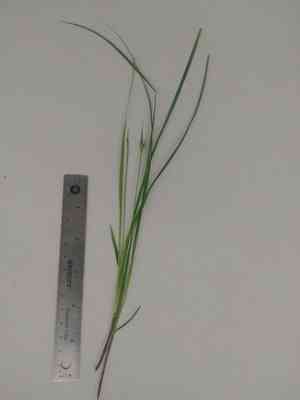
James\'s sedge can be identified by its solid stems, grass-like appearance, and broad leaves. The plant produces characteristic small, brownish spikes arranged in clusters, with the fruit encapsulated in a sac-like structure called a perigynium. The stems are triangular, which is a common feature in many Carex species.
Scientific Classification of James' sedge
Phylum
Vascular plants
Class
Monocotyledons
Order
Poales
Family
Sedge
Genus
True sedges
Species
James' sedge
Planting and Growing of James' sedge
Care Difficulty
Easy
Watering Schedule
Every 4 days
Sunlight Requirements
Partial sun
Sunshine Duration
6-10 hours
Ideal Temperature
60-75℉
Soil Type
Potting Mix, Peat Mix
Soil pH
6.5-7.5
Fertilizer Type
Balanced
Pruning Season
Spring, Summer
Pruning Area
Branches, Leaves
Pruning Frequency
2 times a year
Repotting Season
Spring
Pot Type
Plastic, Ceramic
 How to Water James' sedge?
When watering Carex jamesii, aim for about 300 milliliters until the soil feels evenly moist but not waterlogged. It is crucial to ensure that the water deeply reaches the root zone without leaving excess water in the tray beneath the pot.
What are the symptoms of an underwatered James' sedge?
›
What should I do if my James' sedge is not getting enough water?
›
What are the symptoms of an overwatered James' sedge?
›
How to save an overwatered James' sedge?
›
 What Are the Sunlight Requirements for James' sedge?
Carex jamesii ideally grows best in partial sun to full shade settings. Ideal light ensures healthy, vibrant foliage, promoting the plant's overall growth and natural resilience.
What is the best light condition for Carex jamesii?
›
How can I ensure Carex jamesii gets its ideal lighting?
›
What are the benefits of providing ideal lighting for Carex jamesii?
›
 What Is the Ideal Temperature Range for James' sedge?
Carex jamesii thrives best within a temperature range of 60 to 75 degrees Fahrenheit. This range provides optimal conditions for photosynthesis and energy production, facilitating the plant's overall growth and development. Maintaining this temperature range helps the plant to sustain robust and healthy foliage.
 What Soil is Best for James' sedge?
Carex jamesii prefers soils that hold moisture well, helping in maintaining consistent hydration levels essential for its growth. This ensures that the plant receives a steady supply of water even between rainfalls. A nutrient-rich soil provides the necessary elements for Carex jamesii to thrive, supporting its lush growth and vibrant foliage. Loam and clay soils are excellent as they naturally contain higher nutrients. While Carex jamesii enjoys moisture, it also needs soil that drains well to prevent root rot. Sandy loam offers great drainage while still holding sufficient nutrients for healthy growth.
 How to Fertilize James' sedge?
The fertilizer amount for Carex jamesii should be moderate to ensure balanced growth. When using liquid fertilizers, apply at a concentration of half the recommended strength on the product label. For slow-release granules, use a light sprinkling, ensuring not to cover the soil completely.
 How to Prune James' sedge?
Start by inspecting the plant for any brown, dead, or damaged leaves. Carefully cut these back to improve plant health and encourage new growth. Use sharp pruning shears for a clean cut. Gently trim overgrown sections to maintain a neat shape. Cut back to just above a healthy leaf node, which will stimulate the plant to produce new, vigorous foliage. After removing unwanted parts, focus on shaping the plant. Keep it symmetric while ensuring a balanced growth pattern. This helps in maintaining an elegant appearance.
More About Pruning Techniques→
 How to Propagate James' sedge plant?
1
Collect seeds from mature plants in late summer. Ensure the seeds are dry and free from any plant debris. Store them in a cool, dry place until ready for sowing.
2
Prepare a seed-starting mix by combining equal parts of peat moss, perlite, and vermiculite. This mixture provides excellent drainage and aeration for germinating seeds.
3
Carefully dig up the plant with a garden trowel in early spring. Divide the root ball into smaller sections, ensuring each section has at least one shoot and a healthy root system. Replant immediately in prepared soil.
 How to Repot James' sedge plant?
1
Carex jamesii needs repotting when its roots become tightly packed, or when growth appears stunted despite regular watering and feeding. The ideal time is during spring when the plant begins active growth. Look for signs such as roots growing through drainage holes or water not soaking in well.
2
Select a pot that is 2-4 inches larger in diameter than the current one to provide ample space for root growth. Opting for a pot with good drainage holes helps prevent waterlogging, which is crucial for maintaining plant health. The right size and material ensure stability, aesthetic appeal, and ease of water management.
3
Choose a well-draining loamy soil to ensure adequate aeration and water retention, preventing root rot. Enrich the soil with organic matter, such as compost, which provides nutrients and supports robust growth. This kind of soil mimics the plant's native environment, promoting vigorous health and resilience.



