How to Prune James' sedge?
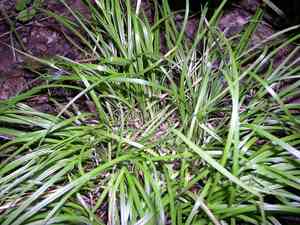
James' sedge, recognized for its clustered development and affinity for dim forest environments, thrives with trimming to preserve its well-being and look. Perform pruning in early spring or during winter, concentrating on eliminating deceased or injured leaves to foster fresh development. This opportune trimming aids in averting ailments and promotes a dense, vibrant shape. Cultivators will observe that deliberate cutting back guarantees the vigor and visual attractiveness of james' sedge.
What Are the Benefits of Pruning James' Sedge?
What Are the Benefits of Pruning James' Sedge?
Trimming james' sedge promotes robust development and helps maintain its desired form. Consistent cutting prevents overcrowding, ensuring better air circulation and lowering disease risk.
What Is the Best Time for Pruning James' Sedge?
What Is the Best Time for Pruning James' Sedge?
Pruning james' sedge in early spring and winter aligns with its dormant phase before active growth. In early spring, just prior to new growth, pruning aids in removing any dead or damaged leaves from the previous year, thereby encouraging healthier and more vigorous development. During winter, the plant's growth is slow, and pruning at this time minimizes stress, allowing james' sedge to recover well and prepare for the spring growth surge. These timings ensure the plant maintains its health and vitality, focusing its energy on thriving in the upcoming seasons.
What Tools Do I Need to Prune James' Sedge?
Hand Pruners
Perfect for cutting back dead or overgrown foliage on james' sedge. Their size and sharp blades allow for precise cuts, reducing harm to the delicate, grass-like leaves.
Grass Shears
Useful for trimming and shaping james' sedge, especially around edges and in confined areas where larger tools might harm nearby plants or the base of james' sedge.
Garden Scissors
Effective for snipping thinner stems and tidying up the plant without pulling or tearing the blades. Their accuracy is ideal for the fine texture of james' sedge.
How to Prune James' Sedge
Identify
Identify and examine diseased and withered leaves on james' sedge. Look closely at the leaf blades and bases for any brown, yellowing, or damaged tissues indicating poor health or senescence.
Prepare
Prepare your tools for pruning james' sedge. Use clean, sharp scissors or pruning shears. Sterilize the blades with rubbing alcohol or a bleach solution to prevent spreading any disease between plants.
Trim diseased
Carefully trim off diseased leaves from james' sedge. Cut as close as possible to the base of the leaf without damaging healthy crowns or neighboring healthy leaves. Dispose of removed leaves properly to prevent disease spread.
Trim withered
Similarly, remove withered leaves from james' sedge following the same method as for diseased leaves. These leaves are typically dry and brittle, and can be easily distinguished from healthy, vibrant green leaves.
Cleanup
After pruning james' sedge, clean the area around the plant to remove any fallen leaves or debris. This helps maintain a healthy growing environment and reduces the likelihood of disease development.
Common Pruning Mistakes with James' Sedge
Over-pruning
Many gardeners tend to remove too much foliage from james' sedge, thinking it will encourage new growth. This can stress the plant, reduce its vigor, and make it susceptible to diseases.
Incorrect cutting method
Using dull or inappropriate cutting tools can result in jagged or torn cuts on james' sedge, which make it more susceptible to pests and diseases.
Pruning at the base
Completely cutting back james' sedge to the ground is a common error. James' sedge performs best when its base foliage is left intact to protect the crown and promote healthy regrowth.
Common Pruning Tips for James' Sedge
Use sharp tools
Ensure pruning tools are sharp and clean to make precise, clean cuts that minimize damage to james' sedge.
Focus on dead or damaged foliage
Target dead, damaged, or diseased foliage for removal. This prevents the spread of possible diseases and encourages healthier, more vigorous growth in james' sedge.
Maintain plant structure
When pruning james' sedge, aim to maintain its natural shape and density. This supports its growth habit and aesthetic appeal in garden settings.



