The James' sedge Plant Advantage: Maximizing Home and Office Appeal and Wellness
1
James' sedge is a robust, easy-to-care-for plant that flourishes in diverse soil types.
2
This enduring plant is ideal for preventing soil erosion and securing the ground.
3
James' sedge benefits native fauna by offering sustenance and shelter.
Why Opt for James' sedge in Your Garden?
Effortless Upkeep and Durability
A key advantage of James' sedge is its hardiness and minimal care requirements. This perennial adapts well to various soil types, from clay to sand, and flourishes in both sun and shade. Its robust nature makes it an ideal choice for gardeners seeking a rewarding plant with little effort.
Erosion Prevention and Soil Stability
Another significant benefit of James' sedge is its capacity to prevent soil erosion. The plant's dense root system binds the soil, reducing erosion risk, even on sloped areas. This makes James' sedge perfect for landscapes prone to soil instability, ensuring long-term soil health and firmness.
Ecological Advantages of James' sedge
Supporting Local Fauna
James' sedge plays a vital role in sustaining local wildlife, including various insects, birds, and small mammals. It offers excellent habitat and food, promoting biodiversity in the area. By planting James' sedge, you directly contribute to your local ecosystem's well-being.
Water Purification and Filtration
This plant also provides notable benefits for water filtration and purification. Its root system helps filter pollutants from rainwater before it reaches the water table, improving groundwater quality. Incorporating James' sedge in garden design can lead to cleaner water runoff and healthier local water systems.
Aesthetic and Practical Landscape Design with James' sedge
Achieving a Natural Appearance
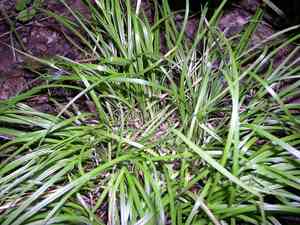
James' sedge can greatly enhance the beauty of natural landscapes with its elegant, arching leaves. It integrates smoothly with native grasses and wildflowers, creating a cohesive, natural look. Whether in a formal or informal garden, James' sedge adds texture and movement to the scenery.
Design Adaptability
The versatility of James' sedge in landscape design is remarkable. It can serve as ground cover, a border plant, or an accent in larger garden beds. Its ability to adapt to different environmental conditions and thrive with minimal care makes it a flexible tool for any gardener or landscaper.
Cultivating and Caring for James' sedge
Planting Advice
When planting James' sedge, choose a location that best suits its growth needs. While it tolerates various soil conditions, ensuring good drainage can boost its growth. Space plants appropriately to allow for mature size and reduce competition for resources.
Ongoing Maintenance
James' sedge requires minimal care once established. Regular watering during initial establishment helps develop a strong root system. Annual trimming of dead foliage in early spring encourages vigorous new growth. Beyond these steps, James' sedge is a resilient plant that thrives with little to no maintenance.
Economic and Functional Uses of James' sedge
Cost-Effective Landscaping Solution
James' sedge is an economical choice for landscapers and gardeners. Its low maintenance needs reduce ongoing care expenses, making it a cost-effective option for large projects or home gardens. The plant's longevity and hardiness also mean fewer replacement costs over time.
Use in Restoration Projects
Given its soil stabilization properties and ability to support local ecosystems, James' sedge is a popular choice for restoration and conservation efforts. These projects often aim to return disturbed or degraded land to a more natural state, and James' sedge offers an effective way to achieve these goals.



