How to Propagate James' sedge?
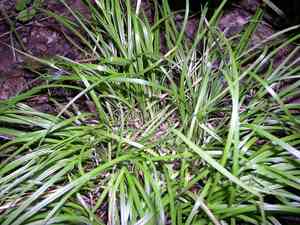
James' sedge flourishes when multiplied via separation, a technique perfectly aligned with its growth pattern. To achieve optimal outcomes, gently divide the clusters, making sure every new segment retains a part of its root system. This aids in a seamless relocation when potting in adequately draining substrate, ideally in shaded spots to replicate james' sedge's native habitat. Consistent irrigation after transplanting assists in settling the divisions, fostering robust development.
Optimal Time for James' Sedge Propagation
Propagation Method
Division
Propagation Period
Spring,Autumn
Tools for James' Sedge Propagation
Sharp Spade or Knife
This implement is crucial for separating james' sedge's root masses. A keen spade or knife guarantees clean, precise cuts, minimizing root system damage and encouraging faster recovery and growth. The blade's sharpness prevents bruising and tearing, vital for avoiding disease during division.
Watering Can With a Fine Rose
Following division, james' sedge needs consistent moisture to establish in its new setting. A watering can with a fine rose attachment allows for gentle irrigation that won't disturb the soil or newly planted divisions. The fine rose ensures a soft, even water distribution, essential for keeping soil uniformly moist without erosion or root exposure.
Garden Fork
This tool is employed to gently lift and separate james' sedge's root clumps for division. The garden fork aids in loosening soil around roots without cutting or harming them, simplifying plant removal from the ground without excessive damage. Its tines are perfect for aerating soil and improving its structure around roots, boosting the plant's nutrient absorption during re-establishment.
Rooting Hormone (optional)
Though not always required, applying a rooting hormone to james' sedge's cut root sections can boost root development and increase propagation success. This is especially helpful for promoting vigorous growth and quicker establishment of divided plants, particularly in suboptimal soil or climate conditions.
Label and Marker
These are vital for tracking propagated divisions, especially when multiple plant species are being divided simultaneously. Labels ensure specific care needs for james' sedge are met correctly during the critical post-propagation establishment phase, preventing confusion and ensuring appropriate care strategies are implemented.
How to Propagate James' Sedge?
Propagation Type
Easy
Caring for Your Newly Propagated James' Sedge
Caring for Your Newly Propagated James' Sedge
After propagating james' sedge, water the new plants thoroughly for establishment. Maintain consistent moisture, as james' sedge prefers wet or moist soil. Mulching around the base can help retain moisture and suppress weeds. Avoid over-fertilizing; an annual application of a balanced, slow-release fertilizer in spring is usually sufficient. Monitor for pests and diseases, treating as needed to maintain plant health.
Common Mistakes to Avoid When Propagating James' Sedge
Overwatering
Excessive watering can lead to root rot in james' sedge. This species prefers well-drained soil, and overwatering can suffocate the roots, reducing the plant's ability to absorb nutrients and ultimately hindering its growth.
Using inappropriate soil mix
Utilizing a soil mix that does not drain well or lacks organic matter can adversely affect the health of james' sedge. Poor soil conditions can lead to poor root development and decreased plant vigor.
Improper spacing
Planting james' sedge too close together can lead to competition for resources such as light, nutrients, and water. This can result in weaker plants and reduced propagation success.
Tips For Propagating James' Sedge
Utilize division
Dividing james' sedge in the early growth stages ensures that each segment has adequate roots and shoots to develop independently. This increases the chances of successful propagation and healthier growth.
Ensure optimal soil conditions
Using a well-draining, rich organic soil mix supports the healthy root development of james' sedge. Such conditions are vital for nutrient uptake and overall plant health.
Maintain moisture balance
While it's crucial to avoid overwatering, maintaining consistent moisture levels in the soil will support the rooting process of james' sedge. Ensure the soil remains damp, but not water-logged.



