How to Transplant Limestone meadow sedge?
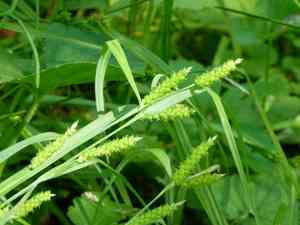
The most favorable period for transplanting limestone meadow sedge is at the transition from late spring to early summer, leveraging moderate temperatures for root development. Select a location that replicates its native limestone-abundant meadow environment; verify that the soil drains effectively. Should it be necessary, gradually introduce limestone meadow sedge to its new setting to avert stress.
Essential Preparations Before Relocating Limestone Meadow Sedge
Optimal Timing for Moving Limestone Meadow Sedge?
The best time to move limestone meadow sedge is during its active growth phase, specifically in late spring or early summer. This period allows roots to establish well in warm, receptive soil. Relocating limestone meadow sedge then capitalizes on moderate seasonal conditions, promoting strong root development and smooth acclimation. By transplanting limestone meadow sedge during this key growth stage, it gains an advantage in surviving hot summer weather and flourishing in its new spot.
Recommended Spacing Between Limestone Meadow Sedge Plants?
When arranging your limestone meadow sedge, aim for approximately 10-12 inches (25-30 cm) between individual plants. This provides ample room for growth without crowding, ensuring proper air circulation and development space.
Ideal Soil Mixture for Transplanting Limestone Meadow Sedge?
Prepare a site with soil that drains effectively, enhanced with a balanced, slow-release fertilizer to supply limestone meadow sedge with necessary nutrients. Limestone-rich or slightly alkaline soil will replicate its natural environment.
Selecting a New Location for Your Limestone Meadow Sedge?
Choose a spot for limestone meadow sedge that receives abundant sunlight but can also tolerate some partial shade. An area that gets morning light and filtered afternoon sun would be perfect for encouraging healthy development.
Equipment Needed Before Transplanting Limestone Meadow Sedge
Shovel or Garden Spade
To excavate the plant and prepare a new planting cavity in the ground.
Watering Can or Hose
For hydrating the limestone meadow sedge prior to removal and following its relocation.
Gardening Gloves
To safeguard your hands while handling the soil and plant material.
Trowel
For smaller or more precise digging tasks around the plant's root system.
Wheelbarrow or Garden Cart
To transport the limestone meadow sedge from its original spot to the new location.
Soil Knife or Pruning Shears
For carefully trimming any damaged roots if required.
Garden Fork
To loosen the soil surrounding the plant's roots before lifting it out.
How to Extract Limestone Meadow Sedge from the Ground?
How to Extract Limestone Meadow Sedge from the Ground?
From Ground: First, hydrate the limestone meadow sedge to moisten the soil. Next, dig a wide trench around the plant using a shovel or spade, ensuring the plant's root ball stays intact. Gently work the spade beneath the root ball to lift the plant from its initial position.From Pot: Water the limestone meadow sedge to facilitate its removal from the container. Carefully turn the pot sideways and tap the bottom and sides. If the plant doesnât slide out, use a trowel to gently loosen the soil along the pot's edge.From Seedling Tray: Dampen the soil within the tray, and use a trowel or your fingers to carefully lift the limestone meadow sedge by the base of its stem to prevent root damage. Try to minimize root disturbance during this process.
Step-by-Step Guide for Relocating Limestone Meadow Sedge
Prepare the New Site
Dig a hole in the ground that is twice the width of the limestone meadow sedge's root ball and approximately the same depth. Loosen the soil at the bottom of the hole with a garden fork.
Inspect the Roots
Once the limestone meadow sedge is removed from its original spot, examine its roots. Trim any broken or dead roots using a soil knife or pruning shears.
Position the Plant
Place the limestone meadow sedge in the center of the new hole. The top of the root ball should be level with the surrounding soil surface.
Backfill the Hole
Carefully fill in the area around the limestone meadow sedge's root ball with soil, gently firming it as you go to eliminate air pockets.
Water Thoroughly
Water the limestone meadow sedge well after transplanting to settle the soil and provide moisture to its roots.
Mulch the Area
Apply a layer of mulch around the base of the limestone meadow sedge, which helps to retain soil moisture and regulate soil temperature.
Post-Transplant Care for Limestone Meadow Sedge
Monitoring
Regularly check the limestone meadow sedge to confirm it is adapting well to its new environment, watching for signs of stress like wilting or discolored foliage.
Watering
Keep the soil around the limestone meadow sedge consistently moist, but not waterlogged, for the initial few weeks after transplanting to aid in establishing strong roots.
Mulching
Maintain a layer of mulch around the limestone meadow sedge to assist with water retention and to suppress weed growth.
Supports
If needed, add a plant stake or other support to help the limestone meadow sedge remain upright and secure in windy conditions.
Resolving Common Issues with Limestone Meadow Sedge Transplantation.
Why is my limestone meadow sedge struggling after being moved?
Ensure it was transplanted during the ideal period from late spring to early summer, with sufficient water and appropriate soil conditions.
What is the correct planting depth for limestone meadow sedge during relocation?
The root ball should be planted at the same depth it was previously growing, typically not deeper than its root length.
What is the optimal spacing for planting multiple limestone meadow sedges?
An ideal spacing is approximately 10-12 inches (25-30 cm) apart, allowing room for growth while promoting a dense appearance.
Can limestone meadow sedge survive if transplanted in hot weather?
It's best to transplant during milder temperatures to avoid heat stress. If unavoidable, ensure extra watering to keep the soil cool and moist.
What soil type is best when relocating limestone meadow sedge?
A well-draining, moist soil rich in organic matter is perfect for limestone meadow sedge, mimicking its natural limestone meadow habitat.
How frequently should I water limestone meadow sedge after transplanting?
Water deeply after transplanting, then regularly to maintain moist soil, especially during the first few weeks of establishment.
What should I do if the leaves of limestone meadow sedge turn yellow after transplant?
Yellow leaves might indicate overwatering or poor drainage. Adjust your watering schedule and improve soil drainage.
Is it necessary to fertilize limestone meadow sedge after transplanting?
Fertilizing is generally not required immediately after transplanting. Allow limestone meadow sedge to establish with good care before considering fertilization.
Can limestone meadow sedge be transplanted in full sun?
Yes, limestone meadow sedge can be transplanted in full sun, but they prefer partial shade, especially in regions with intense midday sun.
What is the initial sign that limestone meadow sedge was not transplanted correctly?
Signs include wilting, leaf discoloration, or a lack of new growth. Ensure proper planting depth, soil conditions, and care.



