The Limestone meadow sedge Plant Advantage: Maximizing Home and Office Appeal and Wellness
1
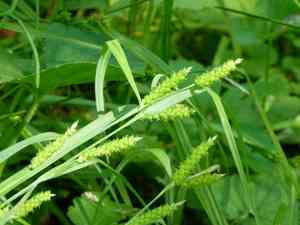
Limestone meadow sedge flourishes in damp, calcareous settings, making it perfect for preventing soil loss.
2
Limestone meadow sedge offers vital living spaces for diverse fauna, boosting ecological variety.
3
Incorporating Limestone meadow sedge into garden designs can better soil quality and promote eco-friendly horticulture.
What Makes Limestone meadow sedge Special?
Unique Growing Conditions
Limestone meadow sedge thrives in damp, calcium-rich environments. This makes it highly effective for use in areas prone to erosion, as its strong root system helps maintain soil stability. Gardens with somewhat alkaline soils or those near calcareous regions will greatly benefit from incorporating Limestone meadow sedge into their planting scheme.
Biodiversity Booster
Limestone meadow sedge provides crucial habitat for various wildlife, including insects, birds, and small mammals. These creatures depend on the plant for sustenance, refuge, and nesting materials. By integrating Limestone meadow sedge into your garden or restoration projects, you not only enhance your space's visual appeal but also contribute to local biodiversity and ecological well-being.
How Can Limestone meadow sedge Benefit Your Soil?
Natural Erosion Control
A key advantage of Limestone meadow sedge is its capacity to prevent soil erosion. The plant's robust root system helps stabilize soil, especially in areas susceptible to water runoff or wind erosion. This natural erosion prevention can help preserve landscape structural integrity and reduce the need for artificial interventions.
Improving Soil Health
Limestone meadow sedge can significantly enhance soil structure and vitality. Its roots promote better soil aeration and water penetration, leading to more favorable growing conditions for other plants. Furthermore, as Limestone meadow sedge decomposes, it adds organic matter to the soil, enriching it with vital nutrients and fostering a more fertile growing environment.
Why Should You Include Limestone meadow sedge in Your Landscape?
Supports Sustainable Gardening
Incorporating Limestone meadow sedge into your garden promotes sustainable gardening practices. Its low maintenance requirements mean fewer inputs of water, fertilizers, and pesticides, making it an environmentally friendly choice. Moreover, Limestone meadow sedge can adapt to various landscape settings, whether used in naturalized areas, rain gardens, or as a border plant.
Enhancing Aesthetic Appeal
Beyond its environmental advantages, Limestone meadow sedge can contribute to your garden's visual charm. Its fine-textured foliage and elegant appearance can add a touch of sophistication to any landscape design. Whether you're aiming for a manicured look or a more naturalistic setting, Limestone meadow sedge offers the versatility and beauty needed to elevate your garden's aesthetics.
What Wildlife is Attracted to Limestone meadow sedge?
Insect Habitat
Limestone meadow sedge offers an essential habitat for various insects, including pollinators like bees and butterflies. These insects are crucial for the reproduction of many plant species, and their presence can boost your garden's overall health and productivity. By supporting insect populations, Limestone meadow sedge indirectly fosters healthier and more vibrant garden ecosystems.
Shelter for Small Wildlife
In addition to insects, Limestone meadow sedge provides refuge for small wildlife such as birds and small mammals. These animals utilize the plant for nesting and protection from predators. For gardeners and nature enthusiasts, observing the interaction between Limestone meadow sedge and local wildlife can be a rewarding and educational experience, highlighting the interconnectedness of all living organisms.
How to Successfully Grow Limestone meadow sedge in Your Garden
Planting and Care Tips
Cultivating Limestone meadow sedge in your garden is relatively straightforward. The key is to mimic its natural growing conditions as closely as possible. Ensure the soil is well-draining but retains moisture, and aim for a slightly alkaline pH if feasible. Plant Limestone meadow sedge in areas receiving full to partial sunlight, and water regularly during the establishment phase to aid root development.
Maintenance Practices
Once established, Limestone meadow sedge requires minimal upkeep. It's a resilient plant that can endure periods of drought once mature. Regularly check for any signs of disease or pest infestations, although Limestone meadow sedge is generally resistant to many common garden pests. An annual trimming can help maintain its shape and encourage new growth, keeping your garden looking neat and tidy.



