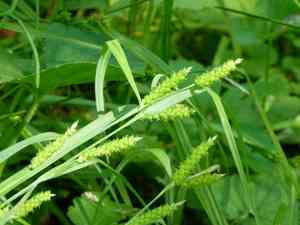
Limestone meadow sedge (Carex granularis)
Also known as: Hale's sedge
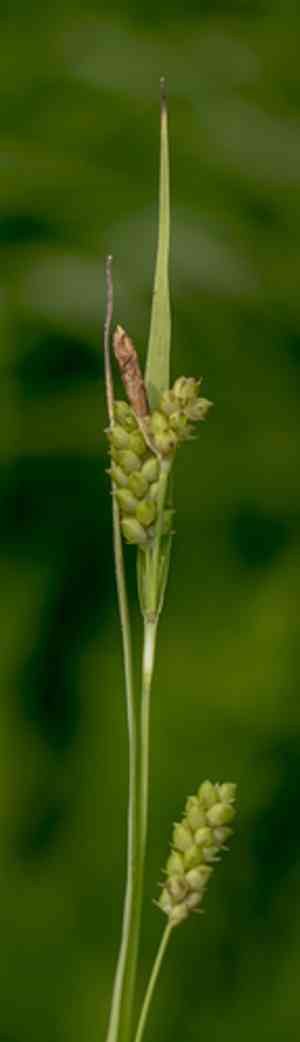
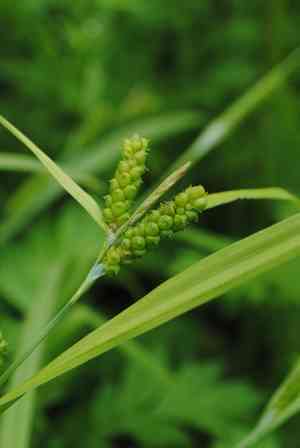
Limestone meadow sedge (*Carex granularis*) thrives in moist environments and is distinguishable by its grainy pistillate spikelets, which contain the seeds. This sedge supports the caterpillars of various butterfly species and is also consumed by grasshoppers, birds, rabbits, and deer. The name "Limestone meadow sedge" highlights its preference for alkaline soils rich in calcium, typically found in limestone areas.
In This Article
Attributes of Limestone meadow sedge
Lifespan
Perennial
Plant Type
Grass
Plant Height
15 cm to 61 cm
Spread
30 cm
Leaf Color
Green Blue
Flower Size
Small, generally less than 5 mm
Flower Color
Green to brownish
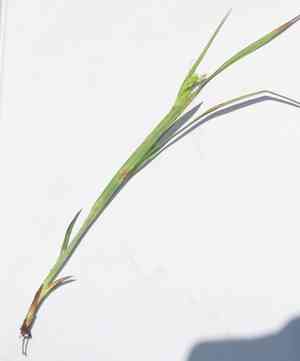
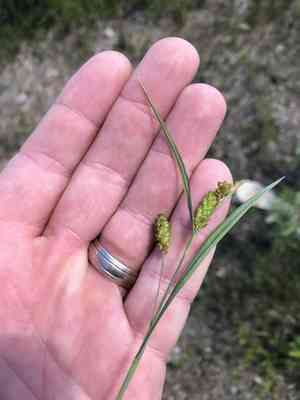
Images of Limestone meadow sedge
Quickly Identify Limestone meadow sedge
1
To identify Carex granularis, look for its clumped growth habit, granule-like spikes on the flowering stalks, and its preference for wetland habitats. The leaves are narrow, grass-like, and have a slightly rough texture.
Scientific Classification of Limestone meadow sedge
Phylum
Vascular plants
Class
Monocotyledons
Order
Poales
Family
Sedge
Genus
True sedges
Species
Limestone meadow sedge
Planting and Growing of Limestone meadow sedge
Care Difficulty
Easy
Watering Schedule
Every 3 days
Sunlight Requirements
Partial sun
Sunshine Duration
4-8 hours
Ideal Temperature
60-75℉
Soil Type
Potting Mix, Peat Mix
Soil pH
5.5-7.5
Fertilizer Type
Balanced
Pruning Season
Spring, Summer
Pruning Area
Branches, Leaves
Pruning Frequency
2 times a year
Repotting Season
Spring
Pot Type
Plastic, Ceramic
 How to Water Limestone meadow sedge?
For Carex granularis, the watering amount should be sufficient to maintain consistently moist soil, without oversaturating it. Approximately 500 ml per session ensures the roots receive adequate moisture without causing waterlogging.
What are the symptoms of an underwatered Limestone meadow sedge?
›
What should I do if my Limestone meadow sedge is not getting enough water?
›
What are the symptoms of an overwatered Limestone meadow sedge?
›
How to save an overwatered Limestone meadow sedge?
›
 What Are the Sunlight Requirements for Limestone meadow sedge?
Carex granularis thrives best in areas with partial sun to full shade. This light range promotes healthy foliage and excellent water retention capabilities.
More About Sunlight Requirements Techniques→
What is the best amount of light for Carex granularis?
›
How can one ensure optimal lighting for Carex granularis?
›
What are the benefits of optimal light exposure for Carex granularis?
›
 What Is the Ideal Temperature Range for Limestone meadow sedge?
Carex granularis ideally thrives in temperatures ranging from 60 to 75 degrees Fahrenheit. This range ensures optimal growth and physiological processes. Temperatures within this bracket provide sufficient warmth without the risk of overheating, which can stress the plant and impede its development.
 What Soil is Best for Limestone meadow sedge?
Carex granularis thrives in soil types that can retain moisture effectively without becoming waterlogged. Optimal moisture levels ensure the plant can absorb necessary nutrients and maintain turgor pressure, contributing to its overall health and resilience. This plant benefits from a nutrient-rich composition that offers essential elements like nitrogen and potassium. A fertile soil promotes vigorous growth, enhances photosynthesis, and improves the plant's ability to withstand environmental stresses. While Carex granularis enjoys moist conditions, it requires adequate drainage to prevent root rot. Proper drainage ensures that the roots receive sufficient oxygen, fostering healthier root development and reducing the risk of fungal diseases.
 How to Fertilize Limestone meadow sedge?
For Carex granularis, it's critical to avoid over-fertilizing, so apply only half the recommended strength of a balanced liquid fertilizer. Use about 1/2 teaspoon per gallon of water when using liquid fertilizers. For slow-release granules, use no more than 1 tablespoon per square foot.
 How to Prune Limestone meadow sedge?
Start by identifying any brown, yellow, or damaged leaves. These should be removed first to allow the plant to focus energy on healthy growth. When trimming, make your cuts at a slight angle. This technique helps water shed off the cut surface, reducing the risk of disease. Thin out crowded areas within the clump to improve air circulation, which helps reduce humidity and prevent fungal infections.
More About Pruning Techniques→
 How to Propagate Limestone meadow sedge plant?
1
Gather mature seeds from existing Carex granularis plants once the seed heads have dried. Ensure the seeds are viable, as fresher seeds have a higher success rate in germination.
2
Sow the seeds in prepared seed trays, placing them on the soil surface or just lightly covered with a thin layer of soil. Consistent soil moisture is crucial for successful seed germination.
3
In spring, lift the mature plants from the ground using a garden fork. Gently separate the plant into smaller clumps, ensuring each division retains some roots and shoots for successful replanting.
 How to Repot Limestone meadow sedge plant?
1
Signs that your Carex granularis needs repotting include slowed growth, roots circling the pot's bottom, or the soil drying out faster than usual. It’s best to repot when the plant becomes root-bound or the soil quality deteriorates.
2
Select a pot that is one to two inches larger in diameter than the current one. It should have adequate drainage holes to ensure excess water can escape, preventing root rot and promoting healthy root growth.
3
Opt for a soil mix that is moist but well-draining; this ensures the plant retains enough moisture while excess water can drain. This soil type is crucial for preventing waterlogging and maintaining healthy roots.



