How to Prune Limestone meadow sedge?
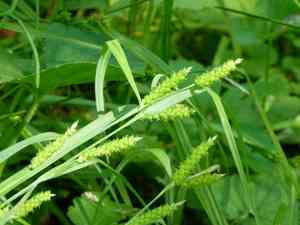
Limestone meadow sedge, a perennial grass-like species, flourishes in damp environments and develops thick clusters. For effective pruning, remove dead or compromised leaves at the base with sharp cutting tools. Perform pruning in early spring or winter, avoiding periods of active development, to foster more robust growth and preserve its form. When tending to limestone meadow sedge, always safeguard the root system to ensure vigorous regeneration. This practice boosts plant health, deters the proliferation of diseases, and manages its dimensions within cultivated areas.
What Are the Benefits of Pruning Limestone Meadow Sedge?
What Are the Benefits of Pruning Limestone Meadow Sedge?
Trimming limestone meadow sedge promotes robust development by eliminating dead or crowded leaves, allowing light and air to reach the plant's core. It keeps limestone meadow sedge neatly shaped and dense, improving its look and vitality.
What Is the Best Time for Pruning Limestone Meadow Sedge?
What Is the Best Time for Pruning Limestone Meadow Sedge?
Pruning limestone meadow sedge in early spring is optimal, as it occurs just before the growth season begins, enabling the plant to recover quickly and direct energy to new, healthy growth. It also reduces exposure to pests and diseases, which are less active then. Winter is another suitable period, especially when the plant is dormant. Pruning during dormancy can lead to less stress for limestone meadow sedge and prepares it for vigorous growth in the subsequent season. These times are chosen to avoid cutting back limestone meadow sedge during its active growth in late spring and summer, which could harm its health and diminish its aesthetic appeal.
What Tools Do I Need to Prune Limestone Meadow Sedge?
Hand Pruners
Perfect for snipping thin blades and removing damaged parts of limestone meadow sedge, maintaining its tidy appearance without harming its delicate structure.
Garden Shears
Ideal for shaping and cutting back limestone meadow sedge clumps, particularly at the end of the growing season to encourage healthy growth the following year.
Pruning Saw
Used for larger, woody sections if limestone meadow sedge is mature and has developed thicker stems that hand pruners cannot manage.
Grass Hooks
Suitable for quick, clean trims, as limestone meadow sedge can be treated similarly to ornamental grasses. Grass hooks allow for uniform shaping of larger areas.
How to Prune Limestone Meadow Sedge
Clean Tools
Sanitize pruning shears or scissors to prevent the spread of disease.
Identify
Examine limestone meadow sedge and locate diseased or withered leaves for removal.
Cut Diseased Leaves
Using sanitized shears, carefully cut diseased leaves at their base where they emerge from the rhizome, avoiding healthy tissue.
Cut Withered Leaves
Similarly, trim away withered leaves at their base to maintain the plant's appearance and encourage healthy growth.
Dispose
Collect and discard the removed foliage away from healthy plants to prevent any potential spread of pathogens.
Common Pruning Mistakes with Limestone Meadow Sedge
Overpruning
Cutting back too much of limestone meadow sedge's foliage can shock the plant, potentially leading to weak growth or a failure to thrive. Limestone meadow sedge naturally forms clumps and should be pruned sparingly.
Improper Technique
Using a dull or dirty cutting tool can damage limestone meadow sedge's leaves and stems, increasing the risk of disease and pests.
Neglecting Health
Failing to remove dead or diseased foliage can invite rot and other plant health issues, making it crucial to periodically inspect and prune limestone meadow sedge as needed.
Uniform Cutting
Cutting limestone meadow sedge to a uniform height without considering its natural growth pattern can result in an unnatural appearance and hinder its optimal health.
Common Pruning Tips for Limestone Meadow Sedge
Selective Thinning
Remove old or yellowed leaves at the base to promote air circulation and new growth without compromising the overall shape and health of limestone meadow sedge.
Sharp Tools
Always use sharp, clean shears or scissors to ensure clean cuts that limestone meadow sedge can heal from quickly, reducing stress and disease risk.
Prune For Size
If controlling the size of limestone meadow sedge, prune the outside edges of the clump while preserving the plant's natural mounding form, encouraging a denser habit.
After Flowering
Trimming seed heads after limestone meadow sedge has flowered can tidy up the plant and may encourage a fresh flush of foliage.



