How to Propagate Limestone meadow sedge?
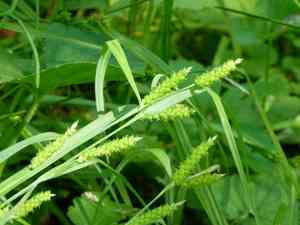
Limestone meadow sedge, a perennial species, effectively multiplies via division, a dependable technique suited to its growth patterns. Cultivators can separate limestone meadow sedge during spring or autumn by carefully extracting the clump and splitting the root mass into smaller portions, making sure each segment possesses sufficient roots and shoots. Immediately replant these segments at their original soil depth, supplying ample hydration to aid root development. This method fosters robust new development, allowing gardeners to increase their limestone meadow sedge collection with ease.
Optimal Time for Propagating Limestone Meadow Sedge
Propagation Method
Division
Propagation Period
Spring,Autumn
Tools Required for Limestone Meadow Sedge Propagation
Sharp spade or soil knife
This implement is crucial for cleanly and effectively separating limestone meadow sedge's root mass. A sharp spade or soil knife facilitates precise cuts, minimizing root damage. This is especially advantageous for limestone meadow sedge, as a robust root system is vital for its successful establishment after propagation.
Garden fork
A garden fork is employed to gently lift limestone meadow sedge from the ground with minimal root disturbance. This tool is effective in loosening the soil around limestone meadow sedge, enabling easier and safer plant extraction without compacting the soil structure.
Watering can with a fine rose
Following limestone meadow sedge propagation, it's essential to ensure transplants are adequately watered to aid their establishment in the new environment. A watering can with a fine rose attachment provides a gentle, even water distribution, crucial for preventing washout or disruption of newly divided plants.
Horticultural grit or sand
Incorporating horticultural grit or sand into the planting medium can improve soil drainage and aeration. For limestone meadow sedge, which thrives in well-drained conditions, this addition ensures new divisions don't sit in excessively moist soil, thereby preventing root rot and other moisture-related ailments.
Labeling stakes and permanent marker
Using labeling stakes with a permanent marker to identify newly propagated limestone meadow sedge assists in monitoring their growth and maintaining accurate propagation records. This is particularly important for ensuring specific care routines are followed during the establishment phase.
Mulch
Applying a layer of mulch around limestone meadow sedge after division helps retain soil moisture, regulate soil temperature, and suppress weed growth. Organic mulches, such as shredded bark or leaf mold, also contribute nutrients to the soil as they decompose, fostering a healthier growing environment.
How to Propagate Limestone Meadow Sedge?
Propagation Difficulty
Easy
Caring for Your Newly Propagated Limestone Meadow Sedge
Caring for Your Newly Propagated Limestone Meadow Sedge
Limestone meadow sedge thrives in moist, well-drained conditions, mirroring its native limestone meadows. Keep the soil consistently damp without over-saturating. Opt for partial shade to emulate its natural habitat for optimal development. Regularly inspect for and remove any weeds that might compete with limestone meadow sedge's initial growth stages. Fertilization is generally not required, but a light application of a balanced, slow-release fertilizer in spring can encourage vigorous growth.
Common Errors to Avoid When Propagating Limestone Meadow Sedge
Overwatering
Excessive watering of limestone meadow sedge can lead to root rot, as its natural environment suggests a preference for well-drained conditions. Too much moisture hinders root growth and function, making the plant vulnerable to diseases.
Deep planting
Planting limestone meadow sedge too deeply can impede its ability to sprout effectively. Limestone meadow sedge requires a specific planting depth to ensure rhizomes are not too far below the soil surface, obstructing their development.
Ignoring soil composition
Using unsuitable soil types can prevent limestone meadow sedge from flourishing. Limestone meadow sedge naturally grows in limestone-based, calcareous soils, and employing acidic soils can alter its growth and nutrient absorption.
Tips for Propagating Limestone Meadow Sedge
Correct soil pH
Utilize soil with a neutral to slightly alkaline pH, mimicking limestone meadow sedge's native limestone habitats. This promotes proper nutrient uptake and growth.
Shallow planting
Plant limestone meadow sedge rhizomes superficially, ensuring they are just beneath the soil surface. This placement imitates their natural propagation depth and aids in successful sprouting.
Moisture management
Maintain moderate soil moisture when propagating limestone meadow sedge. While limestone meadow sedge requires well-drained soil, ensuring the soil is not too dry is crucial for activating rhizome growth.



