How to Transplant Graceful sedge?
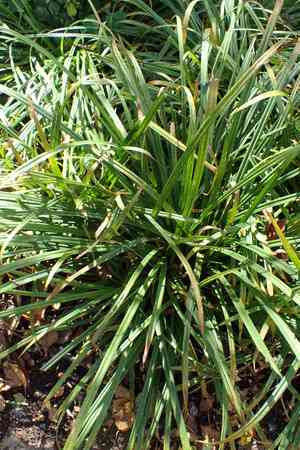
The perfect period for relocating graceful sedge is from the peak of late spring into early summer, providing a mix of warm ground and milder temperatures for root development. Select a spot with partial to full shade and damp, adequately draining earth. Careful handling and consistent hydration after moving assist in successful adaptation.
What Preparations are Needed Before Transplanting Graceful Sedge?
What is the Ideal Time for Transplanting Graceful Sedge?
The best period for relocating graceful sedge is when spring rains transition into pleasant early summer days. Moving graceful sedge during this mild time ensures better root establishment without the stress of frost or extreme heat. Transplanting in these gentle conditions allows graceful sedge to flourish, as it provides a stable environment for new growth, enhancing its robust, ornamental foliage which is highly valued for adding texture to your garden.
How Much Space Should You Leave Between Graceful Sedge Plants?
When preparing to transplant graceful sedge, imagine ample room for growth! Provide a generous 15-18 inches (38-46 cm) of space between each graceful sedge so it has sufficient area to spread its elegant foliage.
What is the Best Soil Mix for Graceful Sedge Transplanting?
Envision placing graceful sedge into a comfortable bed: The soil should be fertile, well-drained, and rich in organic material. Consider incorporating compost or a balanced slow-release fertilizer to give graceful sedge a nourishing start.
Where Should You Relocate Your Graceful Sedge?
Like a cozy sunny spot, graceful sedge thrives with filtered sunlight or partial shade. Find a location that receives gentle morning sun or light afternoon shade, offering protection from intense midday rays.
What Equipments Should You Prepare Before Transplantation Graceful Sedge?
Gardening Gloves
To safeguard your hands while handling soil and the plant during the transplanting process.
Shovel or Spade
For digging and lifting the graceful sedge from its original spot, whether from the ground, pot, or seedling tray.
Watering Can or Hose
To hydrate the graceful sedge in its initial location before removal, and to water after moving it to its new spot.
Pruning Shears
For trimming any damaged roots or foliage, if necessary, during the transplanting procedure.
Wheelbarrow or Garden Cart
To move the graceful sedge from one place to another with minimal disruption to its root system.
Measuring Tape
To help ensure the new hole is dug to the correct depth and width.
Mulch
For applying around the base of graceful sedge after transplanting, to retain moisture and regulate soil temperature.
How Do You Remove Graceful Sedge from the Soil?
How Do You Remove Graceful Sedge from the Soil?
From Ground: First, water the graceful sedge plant to moisten the soil. Then, dig a wide trench around the plant using a shovel or spade, ensuring to keep a generous portion of the surrounding soil and root ball. Carefully insert the spade under the root ball to lift the plant from its original location.From Pot: Water the graceful sedge thoroughly. Gently tilt the pot sideways and tap the bottom to loosen the plant. Support the plant by the base and slowly guide it out of the pot, taking care not to harm the root ball.From Seedling Tray: Water the seedlings to make the soil damp. Use a spoon or a small tool to carefully lift each individual graceful sedge seedling, ensuring you take as much of the root system as possible.
Step-by-Step Guide for Transplanting Graceful Sedge
Preparation
Gather all necessary tools and materials listed above. Ensure you have access to water near the transplant site.
Removal
Follow the removal process for extracting the graceful sedge carefully from its original location, being sure to preserve a healthy amount of the root system.
Transport
Place the graceful sedge onto a wheelbarrow or garden cart and transport it to the new location promptly to minimize root exposure.
Planting Hole
Dig a hole in the ground that is twice as wide as the root ball of the graceful sedge and approximately the same depth to ensure the plant is at the same level it was previously growing.
Placement
Position the graceful sedge in the center of the hole. Adjust the depth by adding or removing soil underneath the root ball if necessary.
Filling In
Gently backfill the hole with soil around the root ball, eliminating any large air pockets by lightly pressing the soil down.
Watering
Water the graceful sedge generously immediately after transplanting to settle the soil and hydrate the roots.
Mulching
Apply a layer of mulch around the base of the graceful sedge, avoiding direct contact with the stem, to help retain moisture and protect the roots.
How Do You Care For Graceful Sedge After Transplanting?
Regular Watering
Keep the soil around the graceful sedge consistently moist for the first few weeks after transplanting to help establish strong roots.
Mulch Application
The layer of mulch should be maintained to conserve moisture and suppress weeds that can compete with the graceful sedge for resources.
Pruning
Snip off any damaged or yellowing leaves with pruning shears to encourage healthy new growth and maintain plant vigor.
Observation
Regularly check the graceful sedge for signs of stress, such as wilting or discolored leaves, and adjust care as necessary.
Troubleshooting Common Issues with Graceful Sedge Transplantation.
Why is my graceful sedge not thriving after transplanting?
Ensure graceful sedge was transplanted during the optimal season, which is when the sun gently warms the soil. Also, check that it's spaced 15-18 inches (38-46 cm) apart to thrive.
Can graceful sedge be transplanted in hot summer?
To prevent stress, transplant graceful sedge in the cooler part of the day and be sure to water it well afterwards.
How deep should graceful sedge be planted when transplanting?
The root ball of graceful sedge should be placed at the same depth it was growing previously, no deeper or shallower.
How often should I water graceful sedge post-transplanting?
Water generously right after transplanting, then regularly keeping the soil consistently moist but not waterlogged.
What type of soil is best for transplanting graceful sedge?
Well-draining soil rich in organic matter is ideal for graceful sedge to establish its roots post-transplant.
Should I prune graceful sedge when transplanting?
Light pruning can help reduce transplant shock. Remove only damaged or dead foliage to conserve graceful sedge's energy.
How do I prepare the ground before transplanting graceful sedge?
Loosen the soil to about 12 inches (30 cm) deep and mix in compost to give graceful sedge a nutritious start.
What should I do if graceful sedge leaves turn yellow after transplanting?
Yellow leaves may indicate overwatering or poor drainage. Adjust watering and ensure the soil isn't waterlogged.
Can mulch help graceful sedge after transplanting?
Mulch helps retain moisture and regulate soil temperature. Apply a 2-3 inches (5-7.5 cm) layer around but not touching the stems.
Is there a risk of over-fertilizing graceful sedge after transplanting?
Avoid fertilizing immediately after transplanting to prevent burning the roots. Wait until graceful sedge has shown new growth.



