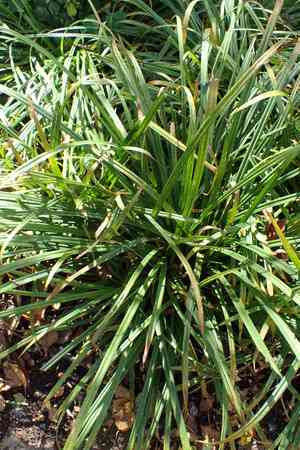
Graceful sedge (Carex gracillima)
Also known as: Graceful Sedge, Slender Sedge
Graceful sedge (Carex gracillima) is known for its graceful, arching stems and fine-textured, narrow leaves. It typically thrives in moist, shaded environments like forests and stream banks. A key distinguishing feature is the small beak on the perigynium (sac enclosing the flower), which sets it apart from other similar Carex species.
In This Article
Attributes of Graceful sedge
Lifespan
Perennial
Plant Type
Grass
Plant Height
20 cm to 91 cm
Spread
N/A
Leaf Color
Green
Flower Size
N/A
Flower Color
Yellow Green Brown
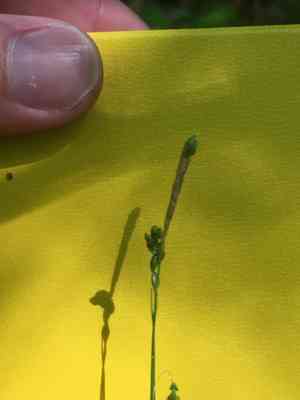
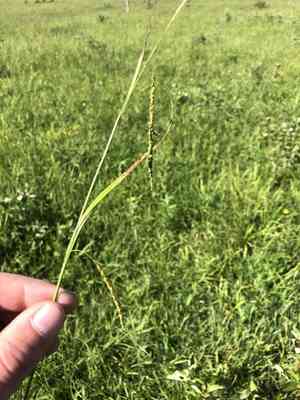
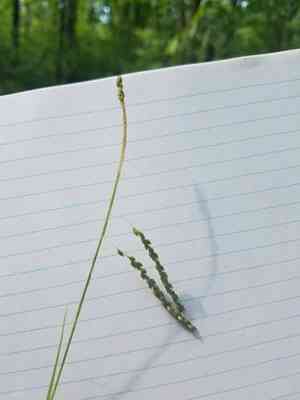
Images of Graceful sedge
Quickly Identify Graceful sedge
1
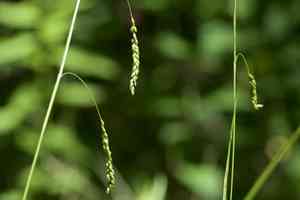
Carex gracillima can be identified by its slender, arching stems and narrow, grass-like leaves. The inflorescence is typically a cluster of spikelets, each containing tiny, inconspicuous flowers.
Scientific Classification of Graceful sedge
Phylum
Vascular plants
Class
Monocotyledons
Order
Poales
Family
Sedge
Genus
True sedges
Species
Graceful sedge
Planting and Growing of Graceful sedge
Care Difficulty
Easy
Watering Schedule
Every 3 days
Sunlight Requirements
Partial sun
Sunshine Duration
4-8 hours
Ideal Temperature
60-75℉
Soil Type
Potting Mix, Peat Mix
Soil pH
6.5-7.5
Fertilizer Type
Balanced
Pruning Season
Spring, Summer
Pruning Area
Branches, Leaves
Pruning Frequency
2 times a year
Repotting Season
Spring
Pot Type
Plastic, Ceramic
 How to Water Graceful sedge?
When watering Carex gracillima, ensure the soil is kept consistently moist but not waterlogged. The ideal approach is to maintain a balance where the soil retains moisture without remaining saturated. Water thoroughly until the soil is evenly moist, around 200ml is usually sufficient, but always adjust based on the specific conditions of your plant's environment.
What are the symptoms of an underwatered Graceful sedge?
›
What should I do if my Graceful sedge is not getting enough water?
›
What are the symptoms of an overwatered Graceful sedge?
›
How to save an overwatered Graceful sedge?
›
 What Are the Sunlight Requirements for Graceful sedge?
Carex gracillima thrives best under partial sun, where it receives 2-6 hours of filtered sunlight. This optimal lighting encourages robust growth and enhances its ornamental features while preventing stress-related symptoms.
More About Sunlight Requirements Techniques→
What makes Carex gracillima thrive in its environment?
›
How can one ensure ideal lighting conditions for this plant indoors?
›
Why is partial sun the best lighting condition for Carex gracillima?
›
 What Is the Ideal Temperature Range for Graceful sedge?
The ideal temperature range for Carex gracillima growth is between 60°F and 75°F. In this range, the plant can photosynthesize efficiently and grow robustly. Moderation in temperature helps prevent stress-related issues, thereby maintaining the health and vitality of the plant. Temperatures within this range simulate the plant's natural habitat in the understory of deciduous forests, providing a suitable climate for optimal growth.
 What Soil is Best for Graceful sedge?
Carex gracillima thrives best in well-drained soils that allow water to percolate through easily, preventing root rot and other moisture-related issues. Well-drained conditions ensure that the roots receive adequate air circulation, promoting healthy growth and development of the plant. This sedge prefers soil that retains a moderate level of moisture, which helps maintain an optimal water supply for the plant’s needs without becoming waterlogged. Consistent moisture availability supports continuous growth and increases resistance to drought stress. Incorporating organic matter, such as compost or leaf mold, into the soil can enhance the nutrient profile and improve soil structure. Organic matter also aids in moisture retention while providing essential nutrients that promote lush foliage and vibrant growth.
 How to Fertilize Graceful sedge?
For Carex gracillima, it is crucial to maintain a balanced nutrient supply. Generally, applying a liquid fertilizer at a quarter strength every two weeks during the growing season is recommended. For solid fertilizers, a small handful applied thrice annually should suffice.
 How to Prune Graceful sedge?
Refrain from removing too much foliage at once. Over-pruning can lead to weakening of the plant, leaving it more susceptible to disease and pest infestations. Continuously monitor the plant's health after pruning, ensuring that any signs of stress, such as browning or wilting, are addressed promptly to prevent long-term damage.
More About Pruning Techniques→
 How to Propagate Graceful sedge plant?
1
Choose healthy Carex gracillima plants with no signs of disease or stress for division. This ensures that the new divisions have the best chance of thriving. Look for plants that have a robust growth habit and a well-established root system.
2
Carefully dig around the base of the plant, maintaining as much of the root system as possible. Once uprooted, use a spade to divide the plant into smaller sections. Each section should have several shoots and a substantial portion of the root mass.
3
Replant the divisions in prepared soil that is well-draining and rich in organic matter. Space them out adequately to allow for growth. Water thoroughly after planting and maintain consistent moisture, especially during the initial establishment period.
 How to Repot Graceful sedge plant?
1
Repot Carex gracillima when you notice roots outgrowing the pot's drainage holes or if growth appears stunted. These are indicators that your plant needs more space for healthy root development. Ideally, repot during the growing seasons to minimize transplant shock.
2
Select a pot that is one size larger with adequate drainage holes. A pot that is too large can lead to over-watering, while a pot that is too small restricts root growth. The right size pot ensures balanced moisture levels and provides sufficient space for root expansion.
3
Opt for a loamy, well-draining soil mix that maintains moisture without waterlogging the roots. This type of soil supports healthy root aeration and reduces the risk of fungal infections. The addition of organic matter can enhance nutrient availability and improve plant vitality.



