How to Prune Graceful sedge?
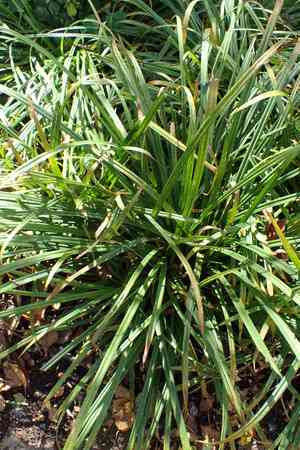
This enduring grass exhibits clustered, slender leaves and flourishes in moist, shaded environments. For graceful sedge, trimming ought to concentrate on eliminating deceased or discolored leaves, which stimulates robust new development. Optimally, cultivators should prune in early spring or during winter, either preceding or following the period of active growth. Prompt trimming preserves an appealing form and fosters vitality. Cutting back graceful sedge's foliage each year revitalizes the plant and aids in averting typical sedge afflictions and infestations.
Advantages of Trimming Graceful Sedge
Advantages of Trimming Graceful Sedge
Trimming graceful sedge promotes robust development and helps keep its desired form. Regular cutting eliminates dead foliage, fostering new, healthy growth and preserving graceful sedge's decorative appeal.
Optimal Period for Pruning Graceful Sedge
Optimal Period for Pruning Graceful Sedge
Graceful sedge is best pruned during its dormant phase, encompassing winter and early spring, prior to the emergence of new growth. At this time, the plant is least susceptible to pruning stress, and the absence of leaves allows for a clearer assessment of its structure. Early spring pruning can revitalize graceful sedge's growth by removing dead or damaged foliage from the previous season, ensuring a healthier flush of new shoots. Winter pruning, when the plant is fully dormant, is beneficial for maintaining shape and vigor without disrupting active growth cycles or diminishing the plant's photosynthetic capacity during the growing season. Pruning during these specific periods aligns with graceful sedge's natural growth cycle, directing its energy towards healthy new growth, thereby enhancing its overall vitality and appearance.
Tools Required for Pruning Graceful Sedge
Hand Pruners
Perfect for precise trimming and shaping of graceful sedge, hand pruners, also known as secateurs, enable gardeners to make clean cuts without harming the plant's delicate stems.
Grass Shears
These are ideal for shaping and maintaining the arching foliage of graceful sedge. Grass shears can easily manage the fine-textured leaves without causing damage to the plant.
Gardening Gloves
Though not a cutting tool, wearing gloves is crucial when pruning graceful sedge to shield hands from sharp edges and maintain proper hygiene.
How to Prune Graceful Sedge
Identify diseased withered leaves
Thoroughly inspect graceful sedge for any indications of disease or wilting. Look for leaves that are discolored, spotted, or appear dried out compared to the healthy foliage. These are the leaves that require removal.
Sanitize pruning tools
Before making any cuts, ensure all pruning tools are disinfected to prevent disease transmission. This can be achieved by wiping the blades with rubbing alcohol or a solution of one part bleach to nine parts water.
Cut diseased leaves
Using sharp and sanitized pruning shears or scissors, carefully cut the diseased leaves at their base where they emerge from graceful sedge's crown. Avoid tearing or damaging the plant's healthy sections.
Remove withered leaves
For withered leaves, follow the same procedure as for diseased leaves, cutting them at the point where they emerge from the crown. Be gentle to avoid disturbing graceful sedge's roots or healthy leaves.
Dispose of debris
Gather all trimmed diseased and withered leaves and discard them away from the garden to prevent disease spread. Refrain from composting this plant material to avoid contaminating the compost.
Common Pruning Errors with Graceful Sedge
Excessive cutting
Pruning too much of graceful sedge at once can shock the plant, hindering its growth or even killing it. It's advisable to remove no more than one-third of the foliage during a pruning session to maintain plant health.
Using dull tools
Blunt blades can harm graceful sedge's delicate leaves, leading to frayed edges that may invite disease or pest infestations. Always use sharp, clean pruning tools for precise cuts.
Pruning healthy tissue
Unnecessarily removing healthy foliage can diminish graceful sedge's vigor and aesthetic appeal. Focus on eliminating dead or damaged leaves to preserve the plant's natural shape and vitality.
Ignoring plant architecture
Failing to consider graceful sedge's natural growth pattern during pruning can result in the loss of its elegant, fountain-like shape. It's important to maintain the plant's form while pruning.
Tearing leaves
Ripping or tearing leaves instead of cutting them can cause damage and create uneven, unattractive edges on graceful sedge. Always make precise cuts.
General Pruning Advice for Graceful Sedge
Sterilize equipment
Before pruning graceful sedge, sterilize your tools with rubbing alcohol or a bleach solution to prevent the spread of disease.
Timing pruning sessions
For optimal results, schedule pruning sessions when graceful sedge is actively growing, as this will allow the plant to recover more quickly from the stress of pruning.
Thin outer portion
Focus on thinning out the older, outer sections of graceful sedge to encourage fresh growth from the center. This maintains its graceful habit and promotes new, vibrant foliage.
Cut above growth node
When pruning, make cuts just above a growth node or ground level to encourage healthy regrowth. Avoid leaving long stubs, which can appear unsightly and rot, potentially harming graceful sedge.
Gradual pruning
If a significant size reduction is necessary, prune graceful sedge gradually over several seasons, rather than cutting back severely all at once. This minimizes stress on the plant and supports a more robust recovery.



