How Much Sunlight Do Graceful sedge Need?
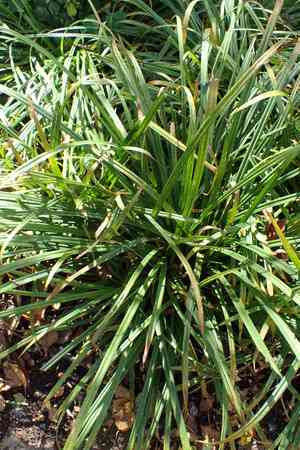
1
Graceful sedge flourishes optimally in dappled light, needing approximately 3-6 hours of sun each day.
2
Overexposure of Graceful sedge to intense, direct sun can result in scorched foliage and inhibited development.
3
Employing a shade fabric can assist in regulating the illumination for Graceful sedge specimens grown outdoors.
Optimal Illumination Conditions for Graceful Sedge
Partial Shade Requirements
Graceful sedge, like many sedge varieties, thrives in partial shade. This means it should get approximately 3-6 hours of daylight daily. Morning sun is typically gentler and more advantageous than the intense afternoon sun. When planting Graceful sedge in your garden, consider positioning it where it's shielded by taller plants or structures during peak sun periods.
Adapting to Varied Light Levels
While Graceful sedge prefers partial shade, it possesses some adaptability and can endure diverse light conditions. If the plant is in an area with fluctuating sunlight, observe its growth patterns and relocate it if necessary. For instance, in regions with intense summer heat, additional shading might be required to safeguard the plant.
Why Graceful Sedge Prefers Partial Shade
Insights from Natural Habitat
Graceful sedge is naturally found in wooded areas and forests, growing beneath the canopy of taller trees. This environment provides filtered sunlight, mimicking the partial shade conditions in which this plant flourishes. Replicating this natural setting in your garden can ensure your Graceful sedge remains healthy and vibrant.
Impacts of Excessive Sunlight
Too much sunlight can be harmful to Graceful sedge. Overexposure to direct sun can result in scorched or bleached leaves. The plant can also become stressed, exhibiting stunted development and weakened overall health. Ensuring your Graceful sedge receives no more than 6 hours of direct sunlight can prevent these issues.
Tips for Managing Sunlight for Graceful Sedge
Site Selection and Planning
When planting Graceful sedge, choosing the right location is vital. Select an area that naturally receives filtered or morning light. If planting near walls or other structures, ensure they cast a shadow during the hottest parts of the day. You can also consider placing taller plants or trees nearby to provide the necessary shade.
Utilizing Shade Cloth or Covers
If natural shade isn't available, employing a shade cloth can effectively regulate the amount of sunlight your Graceful sedge receives. A shade cloth can diminish sunlight intensity and protect against potential sunburn. Position the cloth to allow morning sun and block the harsh afternoon rays.
Indoor Care and Light Management
For indoor cultivation of Graceful sedge, position the plant near a north or east-facing window where it can receive indirect sunlight. If your home lacks sufficient natural light, consider using grow lights as a supplement. Adjust the light exposure to replicate the partial shade conditions it thrives in.
Common Sunlight Issues for Graceful Sedge
Identifying Sunburned Leaves
Sunburned leaves on Graceful sedge appear brown, scorched, or bleached, indicating the plant is receiving too much direct sunlight. To prevent further harm, move the plant to a shadier spot or provide additional cover during peak sunlight hours.
Symptoms of Insufficient Light
Conversely, if Graceful sedge doesn't receive enough light, it may become leggy or sparse and exhibit slow growth. In such cases, gradually introduce more light by moving the plant to a slightly brighter spot, ensuring it still avoids the harsher midday sun.
Adjusting Care for Seasonal Changes
Seasonal variations can impact the sunlight your Graceful sedge receives. In winter, the sun's angle changes, and days shorten. Adjust the plant's placement accordingly to ensure it continues to receive adequate light. Conversely, in summer, monitor for excessive sunlight exposure and provide extra shade if needed.



