How to Transplant Frank's sedge?
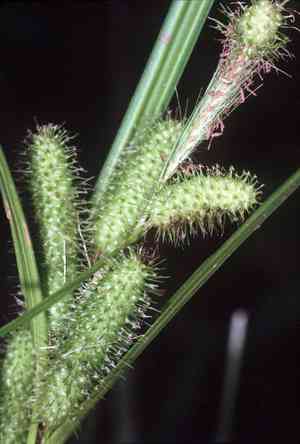
The most favorable time for transplanting frank's sedge extends from the latter part of spring into the initial weeks of summer, or during the cooler days of mid to late fall, periods when the plant experiences the least amount of strain. Select a location featuring damp ground and dappled sunlight for superior development. Remember, careful manipulation is crucial to protect the root system throughout the relocation process.
Essential Preparations Before Relocating Frank's Sedge
Optimal Timing for Transplanting Frank's Sedge
The best times to move frank's sedge into your garden are the mild days of late spring or the gentle coolness of mid-autumn. These periods offer frank's sedge moderate temperatures and favorable weather, aiding its adjustment and promoting strong root development. Transplanting then leverages frank's sedge's natural growth cycles, with spring providing a full season for growth and autumn ensuring a robust, established plant ready for spring's emergence.
Recommended Spacing Between Frank's Sedge Plants
When allocating space for frank's sedge, aim for 15-20 inches (38-50 cm) between each specimen. This provides ample room for them to thrive without competing for resources. It fosters a comfortable, uncrowded environment for growth!
Ideal Soil Mixture for Frank's Sedge Transplantation
Before placing frank's sedge in its new spot, ensure the soil is loamy and drains well, enriched with a balanced, slow-release fertilizer. Amending their beds with compost can also provide a nourishing start!
Selecting the New Location for Your Frank's Sedge
Frank's sedge flourishes in filtered sunlight or a partially shaded area. When choosing a site, consider a spot that mimics a natural overhead coverâbright but protected from the intense midday sun. This will help ensure frank's sedge's vitality and well-being!
Equipment Needed Before Transplanting Frank's Sedge
Gardening Gloves
To safeguard your hands while handling soil and frank's sedge.
Shovel or Spade
For digging and carefully lifting the plant.
Watering Can or Hose
To hydrate frank's sedge both before and after relocation.
Garden Fork
To loosen the soil around frank's sedge's root ball and for aeration.
Wheelbarrow or Tarp
To move the plant from its original spot to the new site.
How to Extract Frank's Sedge from the Ground
How to Extract Frank's Sedge from the Ground
From Ground: First, ensure the soil is damp by watering frank's sedge. Use a shovel or spade to dig a wide trench around the plant, being careful not to harm its roots. Gently work your tool under the root ball, then carefully lift frank's sedge from the earth.From Pot: Water frank's sedge to facilitate root ball removal. Turn the pot on its side, gently tap it, and ease frank's sedge out. If roots are circling the pot, gently separate them to encourage outward growth.From Seedling Tray: Water the seedlings thoroughly. Use a garden fork or your fingers to gently lift each frank's sedge from its cell, being mindful of its delicate roots.
Step-by-Step Guide for Relocating Frank's Sedge
Preparation
Before removing frank's sedge from its current spot, prepare the new location by digging a hole that's twice as wide and as deep as the root ball.
Removal
Carefully extract frank's sedge, following the removal method appropriate for its current environmentâground, pot, or seedling tray.
Transplanting
Position frank's sedge in the center of the prepared hole. The top of the root ball should be level with the soil surface. Fill in around the root ball with soil, gently firming as you go.
Watering
After frank's sedge is in place, water thoroughly to settle the soil and eliminate any air pockets. This initial watering is crucial for helping the plant recover from transplant shock.
Post-Transplant Care for Frank's Sedge
Monitoring
Observe frank's sedge closely for the initial few weeks. This helps in detecting any signs of stress early on.
Watering
Maintain consistent moisture in the soil around frank's sedge, especially during dry periods. This aids in the development of new roots.
Mulching
Apply mulch around the base of frank's sedge to help retain soil moisture and regulate temperature.
Protection
If extreme weather is anticipated, such as heavy rain or intense heat, provide temporary cover to help frank's sedge establish.
Addressing Common Issues with Frank's Sedge Transplantation.
What's the best time to transplant frank's sedge?
Choose late spring to early summer or mid-autumn for relocating frank's sedge to benefit from moderate temperatures and rainfall.
How far apart should I space frank's sedge when transplanting?
Space frank's sedge at intervals of 15-20 inches (38-50 cm) to ensure adequate room for growth and air circulation.
Why is my frank's sedge wilting after transplanting?
Wilting after transplant may be due to shock. Ensure the roots are sufficiently watered and the plant is not exposed to harsh conditions.
Should I fertilize frank's sedge right after transplanting?
Avoid fertilizing immediately after transplanting. Wait a few weeks for the plant to adjust and then use a balanced fertilizer sparingly.
How do I prepare the soil for transplanting frank's sedge?
Enrich the soil with organic matter, ensure it's well-drained, and clear weeds before transplanting frank's sedge for optimal results.
How much should I water frank's sedge after transplanting?
Water frank's sedge generously right after transplanting and then regular watering to maintain moist soil without saturation.
Can I transplant frank's sedge in full sun?
Yes, but ensure frank's sedge is gradually accustomed to full sun if it was previously in a shaded area to prevent shock.
How deep should I plant frank's sedge when transplanting?
The new hole should be as deep as the root ball and twice as wide to allow roots to spread easily.
Is mulching necessary after transplanting frank's sedge?
Mulching helps retain moisture, regulate soil temperature, and reduce weed competition, which is beneficial for frank's sedge after transplanting.
How to protect transplanted frank's sedge from pests?
Inspect regularly for pests, use appropriate organic controls if needed, and keep the area around frank's sedge clear of debris.



