How to Propagate Frank's sedge?
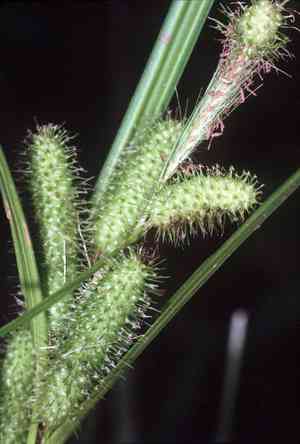
Frank's sedge is a hardy perennial that flourishes in marshy environments, displaying a tufted growth pattern. Reproducing this variety is best accomplished by means of division. Cultivators ought to carefully split the clusters, making certain each fresh section possesses sufficient root structure, and promptly re-embed them. Diligence is required to uphold steady hydration levels following transplantation to foster root development and plant robustness.
What Is the Best Time To Propagate Frank's Sedge?
Propagation Type
Splitting
Propagation Season
Spring,Autumn
What Tools Are Used in Frank's Sedge Propagation?
Spade or digging fork
These implements are crucial for separating frank's sedge. They are utilized to gently lift the plant from the ground without unduly disturbing its root system. A sharp spade or a sturdy digging fork enables efficient and clean cuts through the soil, helping to keep root clusters intact. This minimizes harm and stress to the plant, which is vital for successful transplanting and regrowth.
Pruning shears
Pruning shears are necessary to trim any excess or dead foliage and roots both before and after division. This helps lessen transplant shock in frank's sedge by reducing the amount of foliage the roots need to support, leading to more focused and effective re-establishment in new planting locations. Ensure the shears are clean and sharp for precise cuts, preventing disease entry.
Garden trowel
A garden trowel is useful for smaller, more precise tasks when dividing frank's sedge, especially for gently separating smaller root balls or planting individual divisions. Its narrow blade offers detailed handling and placement of the smaller sections, which is particularly beneficial for maintaining the structural integrity of each clump.
Watering can or hose with a gentle spray setting
Immediate irrigation after planting the divisions of frank's sedge is essential. It helps settle the soil around the roots, eliminates air pockets, and provides necessary hydration vital for the recovery and growth of new plants. A gentle spray setting or a watering can with a rose attachment ensures water is delivered softly, preventing dislodging or damaging the new divisions.
Rooting hormone (optional)
While not strictly necessary, the application of a rooting hormone can enhance root development in frank's sedge divisions. By applying a rooting hormone to the cut areas, it can help stimulate root growth and improve the overall success rate of propagation. It's especially beneficial if the divisions appear weak or less vigorous.
How to Propagate Frank's Sedge?
Propagation Type
Simple
How to Care for Your Newly Propagated Frank's Sedge?
How to Care for Your Newly Propagated Frank's Sedge?
Following propagation, continue to keep the soil of frank's sedge consistently moist but not waterlogged. Frank's sedge thrives in partial shade to full sun, depending on the local climate. Protect young plants from extreme temperatures and ensure they are not overtaken by weeds. Fertilize lightly during the growing season to encourage healthy development. As frank's sedge establishes, it will begin to spread and can be managed by additional divisions if it becomes too dense.
Common Mistakes to Avoid When Propagating Frank's Sedge
Overwatering
Excessive watering can lead to root rot in frank's sedge, as it prefers well-drained soils. Too much moisture can suffocate the roots, diminishing the plant's ability to absorb nutrients and making it vulnerable to diseases.
Deep planting
Frank's sedge's rhizomes should not be buried too deeply, as this can impede their ability to sprout new growth. Planting the rhizomes or seeds too deep may prevent them from receiving adequate light, resulting in weak or no germination.
Crowding plants
Planting frank's sedge too closely can hinder airflow and reduce growth due to competition for light and nutrients. This can also increase the likelihood of fungal infections and pest infestations.
Tips For Propagating Frank's Sedge
Soil preparation
Ensure the soil is well-draining and rich in organic matter to support the healthy growth of frank's sedge. Loamy or sandy soil types are preferred to maintain the right moisture balance.
Appropriate depth
When planting rhizomes or sowing seeds of frank's sedge, ensure they are just below the soil surface. A depth of about 0.5 inches is ideal to allow for sufficient light exposure and easy sprouting.
Spacing
Provide adequate space between each plant to promote proper air circulation and access to sunlight. This helps minimize the risk of disease and maximizes growth potential for frank's sedge.
Moisture management
Maintain consistent moisture levels by mulching around frank's sedge, which helps retain soil moisture and prevent weeds. Avoid overwatering to protect the plant from root diseases.



