Enhancing Your Garden Design with the Frank's sedge Plant: A Landscaping Guide
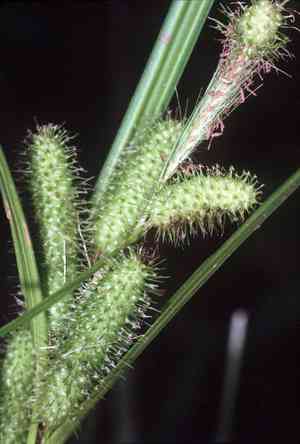
1
Frank's sedge flourishes in full sun or partial shade, offering flexibility for diverse garden locations.
2
Pairing Frank's sedge with blooming flora can establish continuous aesthetic appeal in your outdoor space.
3
Frank's sedge contributes not only to your garden's beauty but also aids local fauna and enhances ground quality.
Introducing Frank's Sedge for Landscape Design
Understanding the distinct features of Frank's sedge
When designing a garden, choosing plants that are visually appealing and offer beneficial landscape qualities is crucial. Frank's sedge, recognized for its unique look, possesses several traits that make it a valuable addition to any garden. It showcases vibrant green leaves and an elegant, arching form that can add texture and color to your garden throughout the year. Moreover, Frank's sedge is a low-maintenance plant, flourishing in various soil types and requiring minimal watering once established. Its adaptability makes it suitable for both new and experienced gardeners.
Why select Frank's sedge for your garden?
Opting for Frank's sedge in your garden promises both aesthetic and practical advantages. This resilient plant is not only attractive but also highly functional. Its compact clumps aid in preventing soil erosion, making it perfect for sloped areas. Furthermore, Frank's sedge is remarkably tough, resisting pests and diseases better than many other ornamental plants. Its ability to thrive in poorly drained soils and endure periods of drought makes it a reliable choice for diverse garden settings. Whether used as ground cover, a border plant, or a focal point, Frank's sedge combines beauty with utility.
Optimal Placement for Frank's Sedge to Maximize Impact
Ideal garden spots for Frank's sedge
Maximizing the effect of Frank's sedge in your garden requires thoughtful placement. This adaptable plant can be utilized in various environments. For example, its tendency to form dense, lush clusters makes it perfect for lining pathways and flower beds. Additionally, Frank's sedge's preference for moist conditions means it thrives near ponds, streams, or other water features. Planted in groups, it can create a striking visual effect in shaded areas beneath trees or in mixed perennial borders where its fine-textured foliage offers a pleasing contrast to broader-leaved plants.
Pairing Frank's sedge with other plants
Integrating Frank's sedge with other plants can enhance your garden's visual appeal and ecological diversity. Consider combining it with flowering perennials like daylilies or astilbes, which can benefit from Frank's sedge's ground-covering attributes. This not only fills empty spaces but also helps suppress weeds, reducing upkeep. Another effective pairing is with taller grasses or shrubs, where Frank's sedge can provide an elegant understory layer. Its green hue complements the colorful blooms and foliage of other plants, creating a harmonious and dynamic garden landscape across all seasons.
Designing with Frank's Sedge: Tips and Techniques
Creating visual appeal using Frank's sedge
Incorporating Frank's sedge into your garden design can add layers of visual interest. Use it as a front-row plant to guide the eye along garden paths or borders. Another design suggestion is to plant Frank's sedge in groupings to establish a sense of cohesion and fullness. This can be particularly effective in larger landscapes where uniformity and structure are desired. The texture of Frank's sedge's foliage can also be used to contrast with larger, bolder plants, adding depth and intrigue to your garden's visual composition.
Seasonal considerations for Frank's sedge
Understanding the seasonal behavior of Frank's sedge can help you maintain a vibrant garden throughout the year. While Frank's sedge is largely evergreen, it's wise to observe its growth patterns and seasonal shifts. In spring, its new growth can bring fresh vitality to your garden. During summer, it remains a resilient ground cover even in warmer weather. In autumn, Frank's sedge may display subtle color changes, contributing to the garden's seasonal palette. Finally, in winter, its robust foliage can provide structure and greenery when many other plants have receded, ensuring your garden retains appeal in every season.
Maintenance Guidelines for Frank's Sedge in the Landscape
Basic care requirements
Frank's sedge is known for being low-maintenance, but like all garden plants, it does have some fundamental care needs to ensure its health. Consistent watering helps establish its roots, especially during dry periods. Although Frank's sedge is relatively drought-tolerant once established, it's crucial to keep its soil moist without over-saturating it. Mulching around the base can help retain soil moisture and deter weeds. Additionally, trimming back any dead or damaged foliage in early spring can encourage healthy new growth and maintain its attractive appearance.
Resolving common issues with Frank's sedge
While Frank's sedge is robust, gardeners may occasionally encounter problems. A common issue is overcrowding, which can be remedied by dividing the plant every few years to promote better air circulation and growth. Pests and diseases rarely affect Frank's sedge, but if you notice yellowing leaves or stunted growth, it might indicate poor drainage or a need for soil improvement. Addressing these issues promptly can help keep your Frank's sedge healthy and thriving. Monitoring sunlight exposure is also vital; while Frank's sedge adapts to various light levels, excessive shade can hinder its growth.
Ecological Benefits of Incorporating Frank's Sedge into Your Garden
Supporting local wildlife with Frank's sedge
Integrating Frank's sedge into your garden does more than enhance its beauty; it also supports local wildlife. The dense foliage and ground-covering nature of Frank's sedge provide habitat and shelter for small creatures, such as birds, insects, and beneficial predators. Additionally, its flowers can offer pollen and nectar for pollinators like bees and butterflies. By including Frank's sedge in your garden, you're fostering a healthier ecosystem and encouraging biodiversity right in your backyard.
Frank's sedge's contributions to the ecosystem
Frank's sedge significantly contributes to the health of your garden ecosystem. Its root system helps prevent soil erosion, promotes soil stability, and improves water retention. These qualities are particularly advantageous in areas prone to flooding or runoff. Furthermore, Frank's sedge can enhance soil structure and fertility over time, making it an excellent companion for other garden plants. The ecological benefits of Frank's sedge highlight its value beyond aesthetics, emphasizing its role in creating a sustainable and balanced garden environment.



