How to Prune Frank's sedge?
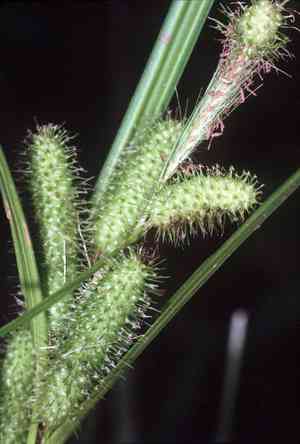
This enduring, grass-like sedge flourishes in damp, exposed environments and exhibits three-sided stalks with foliage resembling grass. Essential trimming methods for frank's sedge entail cutting back deceased or excessively grown leaves to preserve an appealing shape and stimulate fresh development. The most effective time for pruning is in early spring or during winter when the plant is inactive. For this particular variety, pruning not only enhances its look but also fosters more robust, thicker growth and diminishes the chance of illness. Those performing the pruning must guarantee precise cuts to prevent harming frank's sedge.
What Are the Benefits of Pruning Frank's Sedge?
What Are the Benefits of Pruning Frank's Sedge?
Trimming frank's sedge promotes strong development and helps keep its desired shape. Regular cutting back of leaves can encourage new, strong shoots and prevent the plant from becoming too dense or misshapen.
What Is the Best Time for Pruning Frank's Sedge?
What Is the Best Time for Pruning Frank's Sedge?
The ideal periods for trimming or cutting frank's sedge are early spring and winter, coinciding with the plant's inactive phase. Pruning in early spring, just before the active growth season starts, fosters healthy new growth and allows for the removal of any damage sustained over winter. Winter pruning is also advantageous as frank's sedge is dormant, and the absence of foliage offers better visibility for assessing the plant's structure. During these times, frank's sedge has a slower metabolism and reduced sap flow, minimizing stress and the risk of disease or pest infestation after pruning. Furthermore, cutting back in these seasons avoids removing flower stalks or developing seed heads, which are vital for frank's sedge's reproduction and visual appeal. Thus, pruning during early spring or winter can lead to a more vigorous and structurally sound frank's sedge, without disrupting its growth cycle or natural look.
What Tools Do I Need to Prune Frank's Sedge?
Hand Pruners
For frank's sedge, hand pruners are perfect for cutting through the plantâs thin, grass-like leaves. They provide precise control needed for thinning or removing damaged foliage without harming the rest of the plant.
Shears
Shears are suitable for trimming larger clusters of frank's sedge and are excellent for creating a tidy appearance by cutting the foliage uniformly. Their long blades make it easier to trim wider areas of growth.
Gloves
While not a cutting tool, gloves are crucial for protecting hands from the edges of frank's sedge's leaves, which might be sharp or cause skin irritation.
Scissors
For smaller or more delicate tasks, such as shaping or precise cutting of frank's sedge's leaves, standard garden scissors can be used effectively.
Garden Knife
A garden knife can help in dividing clumps of frank's sedge by slicing through the soil and roots. This tool should be used with care to maintain plant health.
How to Prune Frank's Sedge
Clean Tools
Before pruning frank's sedge, sanitize the pruning tools to prevent the spread of disease. Use a solution of one part bleach to nine parts water or rubbing alcohol to clean the blades.
Identify
Examine frank's sedge carefully to pinpoint diseased or withered leaves. Look for leaves that are discolored, have spots, or appear to be dying.
Cut Diseased Leaves
Using the sterilized pruning tools, carefully trim off diseased leaves at the base where they connect to the main plant without harming adjacent healthy tissue.
Cut Withered Leaves
Similarly, remove withered leaves by cutting them at their base. Ensure cuts are clean and do not leave jagged edges that could invite pests or disease.
Cleanup
After pruning, clear away the debris around frank's sedge to reduce the likelihood of disease spread and encourage a healthy growing environment.
Common Pruning Mistakes with Frank's Sedge
Over-Pruning
Removing too much foliage from frank's sedge, which can stress the plant and lead to poor growth or reduced vigor.
Improper Tool Use
Using dull or dirty tools may result in jagged cuts that can harm frank's sedge and introduce pathogens.
Pruning Healthy Tissue
Unnecessarily cutting away healthy tissue that leads to a weakened structure and diminishes the plant's ability to thrive.
Neglecting To Remove Dead Material
Failing to clear out dead or diseased foliage, which can invite pests and disease to frank's sedge.
Ignoring Plant Form
Not considering the natural shape of frank's sedge during pruning, potentially resulting in an undesirable appearance.
Pruning Too Close
Cutting too close to the base of the stems, which can harm the crown of frank's sedge and possibly impede regrowth.
Common Pruning Tips for Frank's Sedge
Sharp Tools
Ensure pruning shears are sharp and clean to make precise cuts and reduce the risk of disease for frank's sedge.
Selective Thinning
Thin out old and overgrown clumps of frank's sedge to rejuvenate the plant and encourage fresh growth.
Disease And Damage
Regularly inspect and promptly remove any diseased or damaged foliage from frank's sedge to maintain plant health.
Shaping
When shaping frank's sedge, strive to maintain its natural form for aesthetic appeal and optimal growth.
Height Reduction
If reducing the height or spread of frank's sedge, do so gradually over several seasons to prevent plant shock.
Crown Protection
When pruning, be careful not to damage the crown of frank's sedge as it is crucial for new shoots and overall plant health.



