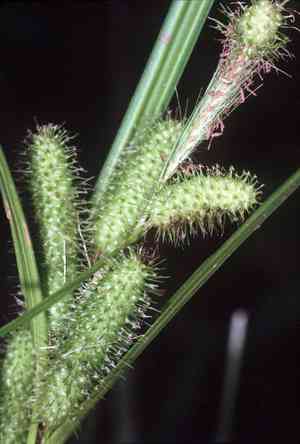
Frank's sedge (Carex frankii)
Also known as: Frank's sedge
Frank's sedge (Carex frankii) is typically found in wet habitats such as marshes, wet meadows, and along riverbanks throughout eastern and central North America. It's also popular in ornamental landscaping, particularly in pond gardens. Animals like ducks, geese, and swans commonly feed on this sedge.
In This Article
Attributes of Frank's sedge
Lifespan
Perennial
Plant Type
Grass
Plant Height
30 cm to 61 cm
Spread
30 cm to 60 cm
Leaf Color
Green
Flower Size
1.9 cm
Flower Color
Yellow Green Brown
Images of Frank's sedge
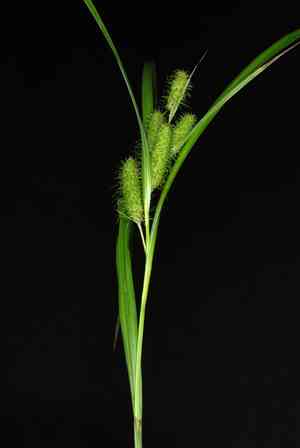
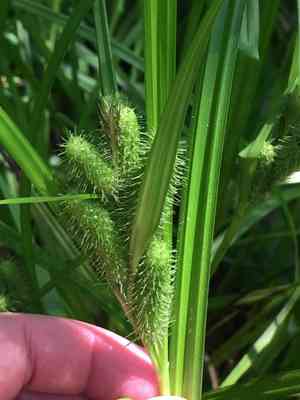

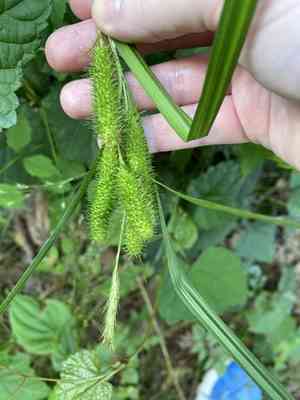
Quickly Identify Frank's sedge
1
Identification of Carex frankii can be achieved by observing its clump-forming habit, triangular stems, and distinctively beaked spikelets. The plant\'s foliage is grass-like with leaves that are typically 4-10 mm wide.
Scientific Classification of Frank's sedge
Phylum
Vascular plants
Class
Monocotyledons
Order
Poales
Family
Sedge
Genus
True sedges
Species
Frank's sedge
Planting and Growing of Frank's sedge
Care Difficulty
Easy
Watering Schedule
Every 4 days
Sunlight Requirements
Partial sun
Sunshine Duration
6-10 hours
Ideal Temperature
60-75℉
Soil Type
Potting Mix, Peat Mix
Soil pH
6.5-7.5
Fertilizer Type
Balanced
Pruning Season
Spring, Summer
Pruning Area
Branches, Leaves
Pruning Frequency
2 times a year
Repotting Season
Spring
Pot Type
Plastic, Ceramic
 How to Water Frank's sedge?
For Carex frankii, water until the soil is consistently moist but not saturated. Aim for about 500ml each time to maintain the hydration that this plant prefers. Always ensure proper drainage to prevent waterlogging, which can lead to root rot.
What are the symptoms of an underwatered Frank's sedge?
›
What should I do if my Frank's sedge is not getting enough water?
›
What are the symptoms of an overwatered Frank's sedge?
›
How to save an overwatered Frank's sedge?
›
 What Are the Sunlight Requirements for Frank's sedge?
Partial sunlight is ideal, allowing Carex frankii to develop vibrant foliage and maintain health without the risk of overheating or drying out.
More About Sunlight Requirements Techniques→
What is the ideal light for Carex frankii?
›
How can I ensure my plant gets optimal light?
›
What benefits does ideal lighting provide?
›
 What Is the Ideal Temperature Range for Frank's sedge?
The ideal temperature range for growing Carex frankii is between 60°F to 75°F. This range ensures the plant's optimal metabolic activities and promotes healthy growth. Maintaining temperatures within this range helps prevent stress and encourages lush, full foliage development while reducing the risk of disease and pest infestations.
 What Soil is Best for Frank's sedge?
Carex frankii thrives in moist, well-drained soil, ensuring roots have access to water while preventing waterlogging. This is vital for optimal growth and maintaining healthy plant structure. The presence of rich organic matter enhances soil fertility, providing essential nutrients which support the lush, vibrant growth characteristic of Carex frankii. Maintaining consistent moisture levels in the soil helps Carex frankii avoid water stress, promoting sustained growth and vitality in environments where consistent irrigation isn't possible.
 How to Fertilize Frank's sedge?
Carex frankii, also known as Frank's sedge, prefers a moderate amount of nutrients. For liquid fertilizers, use half the recommended label strength per application. Avoid excessive amounts to prevent nutrient burn, which can damage the delicate root systems of this ornamental grass.
 How to Prune Frank's sedge?
Before starting, gather sharp pruning shears and gloves to protect your hands from the blade and potential allergens. Ensure all tools are sterilized to prevent infections. Best practices include cleaning tools with rubbing alcohol. Look for any dead, discolored, or damaged foliage at the base of the plant. Trimming these parts helps redirect energy to healthier areas. Trim until you reach the fresh green parts, avoiding any over-cutting. Make clean cuts at a 45-degree angle to prevent water pooling and rot. Cut back any overgrown stems to maintain an even and tidy appearance. Regular trims can stimulate robust growth and prevent the plant from becoming root-bound.
More About Pruning Techniques→
 How to Propagate Frank's sedge plant?
1
Start by collecting Carex frankii seeds from mature plants during late summer. Clean and dry them properly before storing in a cool, dry place until ready to plant in early spring.
2
In early spring, locate healthy, established clumps of Carex frankii. Use a garden fork to gently lift the clumps and use a sharp knife to divide them into smaller sections, each with sufficient roots.
3
Replant the divided sections into prepared soil enriched with organic matter. Ensure each section is planted at the same depth it originally grew, and water thoroughly to promote establishment.
 How to Repot Frank's sedge plant?
1
Carex frankii, also known as Frank's sedge, signals its need for repotting when its roots start to overtake the pot, causing slow growth and yellowing leaves due to cramped conditions. The best time to repot is early in the spring or during autumn when the plant demonstrates renewed growth, providing optimal recovery.
2
Select a pot that is 1-2 inches larger in diameter than the current one to accommodate growth but not too large to avoid excess water retention. Opt for pots with ample drainage holes to prevent waterlogging, which ensures healthier root development and reduces the risk of root rot.
3
A soil mix that is moist yet well-draining is vital for Carex frankii. Incorporate materials like peat, pine bark, and perlite to maintain adequate moisture while ensuring excess water drains away. This blend supports robust root growth and mimics its natural habitat conditions, ensuring a thriving plant.



