How to Transplant Crested sedge?
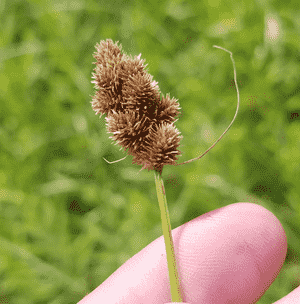
Crested sedge flourishes when relocated between mid-spring and the beginning of summer, allowing for ideal root development. Select a site that receives full sun or partial shade, featuring damp, well-draining earth. Evaluate the surrounding conditions to guarantee a smooth transition.
Necessary Preparations Before Relocating Crested Sedge?
Optimal Period for Relocating Crested Sedge?
The best time for moving crested sedge is from mid-spring through early summer. During this period, the soil warms up and moisture levels are consistent, encouraging strong root development. Transplanting crested sedge then helps the plant establish itself well before the intense summer heat, minimizing shock and boosting its overall health.
Required Spacing Between Crested Sedge Plants?
When relocating crested sedge, allow approximately 12-18 inches (30-45 cm) between each plant. This provides ample room for growth without competition for resources.
Best Soil Mixture for Crested Sedge Relocation?
For crested sedge, utilize well-draining soil enriched with compost. Begin by loosening and amending the soil in the intended transplant area, then incorporate a balanced, slow-release fertilizer to give the plants a robust start.
Where to Position Your Crested Sedge?
Select a location with partial to full sun for relocating crested sedge. This plant thrives best with at least 4-6 hours of daily sunlight, ensuring healthy growth and development.
Equipment Needed Before Relocating Crested Sedge?
Gardening Gloves
To safeguard your hands while handling soil and plants.
Shovel or Spade
For digging around and lifting the plant without harming its roots.
Watering Can
To moisten the soil before and after the relocation.
Garden Trowel
Useful for excavating smaller holes and managing roots.
Bucket or Container
For temporarily holding the plant if necessary.
Mulch
To aid in retaining soil moisture and regulating soil temperature.
How to Extract Crested Sedge from the Ground?
How to Extract Crested Sedge from the Ground?
From Ground: First, hydrate the crested sedge plant to moisten the soil. Next, excavate a wide trench around the plant using a shovel or spade, ensuring the plant's root ball remains intact. Carefully maneuver the spade beneath the root ball to lift the plant from its original spot.From Pot: Hydrate the crested sedge plant to dampen the soil. Gently invert the pot while supporting the plant and tap the base to release the root ball. Carefully slide the plant out, avoiding root damage.From Seedling Tray: Water the seedlings to facilitate easier handling of the soil. Gently loosen the soil around the seedlings with a garden trowel and lift them by their leaves, taking care not to harm the delicate roots.
Step-by-Step Guide for Relocating Crested Sedge
Prepare the New Location
Ensure the new planting site is ready before extracting the crested sedge plant from its initial position.
Dig the Hole
Excavate a hole at the new site that is twice as wide and slightly deeper than the plantâs root ball.
Plant Removal
Follow the appropriate removal procedure based on whether the crested sedge is being moved from the ground, a pot, or a seedling tray.
Relocation
Position the crested sedge plant in the hole, making sure the top of the root ball is level with the soil surface. Backfill the hole with soil, gently firming it around the plant to eliminate air pockets.
Watering
Thoroughly water the newly relocated crested sedge to help the soil settle around the roots.
Mulching
Apply a layer of mulch around the plant's base, leaving some space around the stem to prevent rot.
Post-Relocation Care for Crested Sedge?
Watering
Maintain consistent moisture in the soil around the crested sedge, avoiding sogginess, for the initial weeks after relocation to encourage strong root development.
Stress Monitoring
Observe for indications of transplant shock, such as wilting or yellowing leaves, and provide additional water or shade if necessary.
Pruning
Remove any damaged or dead foliage to allow the plant to direct its energy towards root establishment.
Weed Control
Keep the area surrounding the crested sedge plant free of weeds to minimize competition for nutrients and water.
Resolving Common Issues with Crested Sedge Relocation.
When is the best time to relocate crested sedge?
The ideal time to relocate crested sedge is from mid-spring to early summer for optimal growth.
How deep should the hole be for relocating crested sedge?
Dig a hole deep enough to comfortably fit the root ball, typically around 6-8 inches (15-20 cm).
What is the optimal spacing for crested sedge?
Ensure a distance of 12-18 inches (30-45 cm) between each plant to allow for proper growth.
How should I prepare the soil before relocating crested sedge?
Loosen the soil and incorporate compost to enhance drainage and nutrient content.
How much water does crested sedge need after relocating?
Crested sedge requires consistent moisture after relocation; water it thoroughly and regularly for best outcomes.
What to do if crested sedge appears wilted after relocating?
Ensure it receives adequate water and protection from intense sun until it adapts to its new environment.
Should I use fertilizer when relocating crested sedge?
You can apply a balanced fertilizer at the base of the planting hole to support initial growth.
How to handle the roots of crested sedge when relocating?
Be gentle with the roots; avoid breakage and ensure they are evenly spread in the hole.
How to safeguard crested sedge from pests after relocating?
Regularly inspect for pests and consider using organic deterrents or barriers to protect new transplants.
What should the temperature be when relocating crested sedge?
Relocate crested sedge when temperatures are mild, ideally between 60-70°F (15-21°C) for optimal establishment.



