How to Prune Crested sedge?
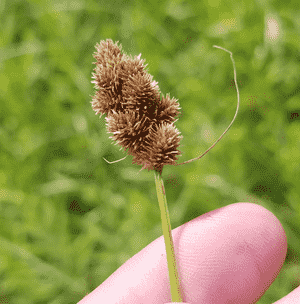
A unique, cluster-forming perennial, crested sedge flourishes with little upkeep. Trimming mainly entails removing aged leaves in early spring or winter to preserve vitality and look, fostering new development. This period is also ideal for eliminating any deceased or injured foliage to stimulate new, strong shoots. Pruning improves air circulation and lowers the chance of disease, which is vital for crested sedge's compact growth pattern. This straightforward care guarantees sturdy, attractive clusters throughout its active period.
What Are the Benefits of Pruning Crested Sedge?
What Are the Benefits of Pruning Crested Sedge?
Trimming crested sedge promotes robust development and maintains its dense shape. Routine cutting helps eliminate dead or overgrown sections, improving plant vitality and visual appeal.
What Is the Best Time for Pruning Crested Sedge?
What Is the Best Time for Pruning Crested Sedge?
Pruning crested sedge in early spring is advantageous as it occurs just before the start of the growing season, allowing the plant to recover from cuts and direct energy into new growth. This timing helps ensure strong growth and preserves the plant's health and form. Winter pruning is also ideal since crested sedge is dormant then. Removing dead or diseased leaves at this time reduces plant stress and prepares it for vigorous spring growth. Pruning during dormancy helps avoid attracting pests active in warmer months.
What Tools Do I Need to Prune Crested Sedge?
Hand Pruners
Perfect for precise trimming and shaping of crested sedge, especially for removing older, brown leaves. Hand pruners enable gardeners to cut close to the base without harming new growth.
Grass Shears
Useful for carefully shaping and managing the grass-like foliage of crested sedge. Their design offers precision and control, vital for maintaining the plant's appearance.
Pruning Gloves
Essential for protecting the gardener's hands from the rough edges of crested sedge's leaves, ensuring a safe and comfortable pruning session.
How to Prune Crested Sedge
Identify
Locate any diseased or withered leaves on crested sedge. These typically appear discolored, shriveled, or lifeless.
Disinfect
Sanitize your pruning tools before and after trimming to prevent disease transmission. Use a solution of one part bleach to nine parts water or rubbing alcohol.
Trim
Carefully cut off the diseased and withered leaves at their base where they meet healthy tissue. Use sharp, clean scissors or pruning shears for a clean cut, which aids in faster healing.
Dispose
Properly discard the removed leaves. Do not compost them as diseased material can contaminate the compost and spread illness when reused in the garden.
Inspect
Regularly check crested sedge for additional signs of wilting or disease. Early detection and removal of affected parts help maintain the health and appearance of crested sedge.
Common Pruning Mistakes with Crested Sedge
Over-pruning
Excessively removing foliage from crested sedge can significantly stress the plant, leading to weakened growth and reduced vigor. This species benefits from a more conservative approach to pruning.
Improper technique
Using dull or dirty pruning tools on crested sedge can damage the plant's delicate stems, potentially leading to disease. Always use sharp, clean pruning shears to make clean cuts.
Pruning too low
Cutting crested sedge too close to the ground can harm the crown of the plant, which is essential for the plant's survival and regrowth. Ensure not to cut into the crown when trimming back foliage.
Common Pruning Tips for Crested Sedge
Timing precision
Prune crested sedge just as new growth begins to emerge. This timing allows gardeners to remove only the old, faded foliage without affecting the new shoots.
Careful cutting
Cut back the old foliage of crested sedge to just above the base, taking care not to damage new shoots. This encourages a healthier, more compact growth pattern.
Clean tools
Always use sharp, sterilized pruning shears when cutting back crested sedge. This prevents the spread of disease and ensures clean, healthy cuts that heal more efficiently.



