The Crested sedge Plant Advantage: Maximizing Home and Office Appeal and Wellness
1
Crested sedge tolerates diverse soil types and aids in preventing soil erosion.
2
This enduring plant offers a home for animals, especially those found in wetlands.
3
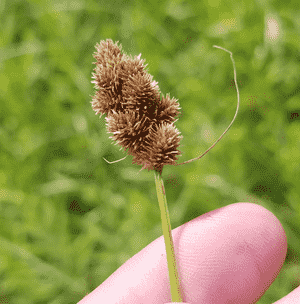
Crested sedge improves garden beauty through its distinct feel and look.
Why Crested Sedge is a Popular Option
Versatility in Soil Types
Crested sedge flourishes across diverse soil conditions, encompassing moist, arid, and even poor substrates. This adaptability makes it an excellent selection for regions experiencing fluctuating moisture levels. Its strong root system aids in soil stabilization, preventing erosion and offering a sustainable approach to land management.
Minimal Upkeep Requirements
A key characteristic of Crested sedge is its low maintenance demands. As a perennial, it needs little attention once established. This makes it a practical choice for gardeners seeking a low-effort yet rewarding plant. Consistent watering during the initial growth phase is typically enough to ensure healthy development.
Ecological Advantages of Crested Sedge
Wildlife Sanctuary
Crested sedge offers crucial habitat for various wildlife species, especially those found in wetland environments. Its dense foliage provides shelter and nesting spots for birds, while its seeds serve as a food source for small mammals and insects. By incorporating Crested sedge into your landscape, you contribute to preserving local biodiversity.
Pollinator-Friendly Plant
The presence of Crested sedge in your garden can attract a variety of pollinators, including bees and butterflies. These pollinators play a vital role in maintaining healthy ecosystems by facilitating the reproduction of flowering plants. As pollinator populations face global declines, plants like Crested sedge become increasingly important in providing essential resources.
Aesthetic and Practical Benefits of Crested Sedge
Unique Textural Quality
Crested sedge adds a distinct texture to garden landscapes, with its fine, arching leaves providing a soft, flowing appearance. This textural contrast can be used to create visual interest and depth in garden designs, complementing other plant species.
Erosion Prevention
The robust root system of Crested sedge is particularly effective at stabilizing soil, making it an excellent choice for areas prone to erosion. It can be used along stream banks, slopes, and other erosion-prone sites to help prevent soil loss and maintain land integrity.
How to Successfully Cultivate Crested Sedge
Optimal Planting Conditions
Crested sedge prefers moist, well-drained soil and can tolerate both full sun and partial shade. It is best planted in early spring or fall when temperatures are more moderate. Space the plants about a foot apart to allow for adequate growth and airflow.
Care and Maintenance
Once established, Crested sedge requires minimal care. Regular watering during dry periods and occasional mulching can help maintain soil moisture. Pruning dead or damaged foliage in late winter or early spring can also promote healthy growth and maintain the plant's aesthetic appeal.



