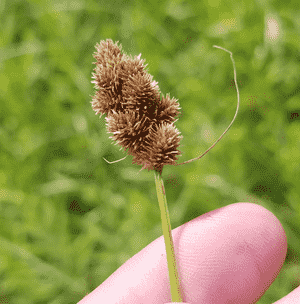
Crested sedge (Carex cristatella)
Also known as: Crested Sedge
Crested sedge (*Carex cristatella*) is recognized as an invasive species and noxious weed in certain areas of the U.S. west coast. Nonetheless, it is often cultivated for ornamental purposes due to its spreading ability, which makes it an effective ground cover. Additionally, its preference for wet conditions makes it suitable for planting around water features.
In This Article
Attributes of Crested sedge
Lifespan
Perennial
Plant Type
Grass
Plant Height
30 cm to 91 cm
Spread
Around 30-60 cm
Leaf Color
Green
Flower Size
Small, approximately 1-3 mm
Flower Color
Green Brown
Images of Crested sedge
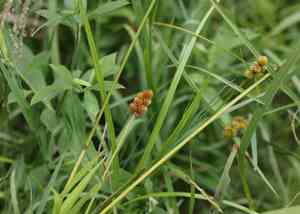
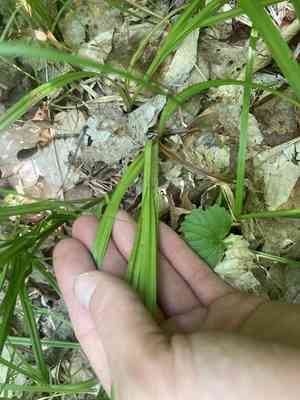
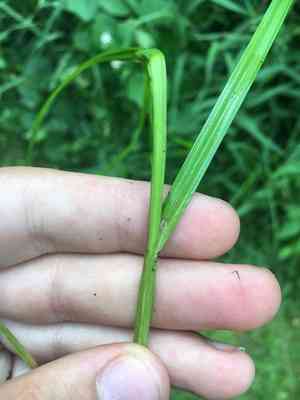
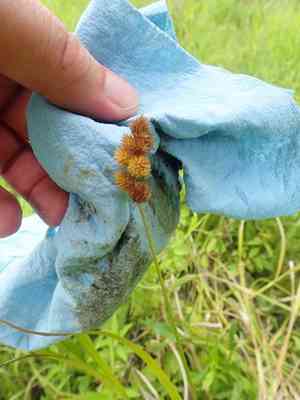
Quickly Identify Crested sedge
1
Look for grass-like leaves that are triangular in cross-section and the distinct crest-like seed heads which give it the name Crested Sedge.
Scientific Classification of Crested sedge
Phylum
Vascular plants
Class
Monocotyledons
Order
Poales
Family
Sedge
Genus
True sedges
Species
Crested sedge
Planting and Growing of Crested sedge
Care Difficulty
Easy
Watering Schedule
Every 8 days
Sunlight Requirements
Partial sun
Sunshine Duration
4-8 hours
Ideal Temperature
60-75℉
Soil Type
Potting Mix, Peat Mix
Soil pH
6-7.5
Fertilizer Type
Balanced
Pruning Season
Spring, Summer
Pruning Area
Branches, Leaves
Pruning Frequency
2 times a year
Repotting Season
Spring
Pot Type
Plastic, Terracotta
 How to Water Crested sedge?
For Carex cristatella, it's best to water until the soil is moist but not waterlogged. The plant prefers consistent moisture, so aim for around 200 ml of water each time. Check the top inch of soil; when it's dry, it's time to water again.
What are the symptoms of an underwatered Crested sedge?
›
What should I do if my Crested sedge is not getting enough water?
›
What are the symptoms of an overwatered Crested sedge?
›
How to save an overwatered Crested sedge?
›
 What Are the Sunlight Requirements for Crested sedge?
For Carex cristatella, a balance between partial sun and full sun is ideal, enhancing sturdier growth, more vivid coloration, and seasonally effective blooming, which ultimately improves its ornamental appeal.
How much light does Carex cristatella need?
›
What are the best solutions for achieving ideal lighting?
›
What benefits does Carex cristatella get from ideal lighting?
›
 What Is the Ideal Temperature Range for Crested sedge?
The ideal temperature range for growing Carex cristatella is between 60°F and 75°F. This range provides optimal conditions for photosynthesis and nutrient uptake, promoting healthy growth and development. Maintaining these temperatures helps ensure that the plant can thrive without experiencing stress from excessive heat or cold.
 What Soil is Best for Crested sedge?
Carex cristatella thrives in soil that maintains consistent moisture without waterlogging. Proper moisture levels ensure robust growth and reduce stress that may lead to disease. This plant flourishes in soil rich in organic matter, which provides essential nutrients. A nutrient-rich substrate promotes vibrant foliage and healthy root development. Well-draining soil prevents root rot, a common issue for Carex cristatella. Ensuring excess water can escape is crucial for the longevity and health of the plant.
 How to Fertilize Crested sedge?
For Carex cristatella, use a balanced fertilizer diluted at half its recommended strength. This ensures the plant receives adequate nutrients without the risk of over-fertilization, which can damage its roots. Apply approximately 100 ml of the diluted solution during each application.
 How to Prune Crested sedge?
While pruning, be cautious not to damage the new growth at the base of the plant. Carex cristatella has delicate new shoots that are vital for its regeneration and continued health. Always use clean, sharp pruning shears for the job. Dull tools can crush the stems, leading to increased susceptibility to disease and pests. Sterilize your tools before and after use to reduce the risk of spreading infections. Plan your pruning on a dry day to minimize the risk of fungal infections. Excess moisture on freshly cut stems can lead to bad conditions for disease spores to take hold.
More About Pruning Techniques→
 How to Propagate Crested sedge plant?
1
Begin by filling a seed tray with a well-draining seed starting mix. Sow the Carex cristatella seeds on the surface and lightly press them into the mix. Keep the soil moist but not waterlogged to ensure proper germination.
2
For division propagation, choose a mature plant and water it thoroughly the day before. Using a garden spade, carefully dig around the base, lifting the plant gently to minimize root damage.
3
Separate the Carex cristatella clumps using your hands or a sharp knife, ensuring each division has adequate roots. Replant the divisions at the same depth they grew before, spacing them adequately to allow for future growth.
 How to Repot Crested sedge plant?
1
You should consider repotting Carex cristatella when you notice that the roots are protruding from the drainage holes, or the plant appears to be growing more slowly than usual. These signals indicate that the plant has outgrown its current pot. It's ideal to check these signs annually and plan repotting when the plant is actively growing, usually in spring or summer.
2
Choose a pot that is one size larger than the current one, with good drainage holes. A pot with proper drainage helps prevent root rot, a common issue with overwatering. Also, materials like terracotta can help in regulating moisture as they are porous, allowing more airflow to the roots.
3
A well-draining potting mix is essential. This type of soil has the right balance of moisture retention and aeration, which is crucial in preventing waterlogged conditions. Ingredients like perlite, peat moss, and sand in the mix help achieve these conditions and support the healthy growth of Carex cristatella.



