How to Propagate Crested sedge?
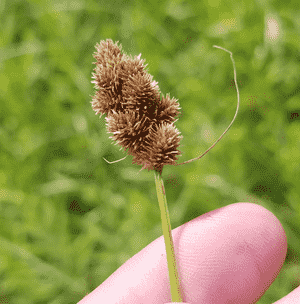
Crested sedge is ideally suited for multiplication via separation, a highly effective technique for this particular variety. Gently separate the clusters in either early spring or late autumn, making sure each separated section possesses a robust segment of roots. Promptly re-establish the divisions in their intended spots, preserving steady hydration levels to aid in root formation. This approach enables cultivators to efficiently expand their collection while safeguarding the vitality and robustness of crested sedge.
What Is the Best Time To Propagate Crested Sedge?
Propagation Type
Separation
Propagation Season
Spring,Autumn
What Tools Are Used in Crested Sedge Propagation?
Sharp Spade or Knife
Utilized for cutting rhizomes or roots during the division of crested sedge. This implement must be keen to ensure clean incisions, reducing harm to plant tissues, which aids in quicker healing and lowers infection risk.
Gardening Fork
Beneficial for gently lifting the root ball from the earth. A fork is preferred over a shovel as it is less prone to severing roots, allowing for more controlled and careful handling of crested sedge's root system during division.
Watering Can with Fine Rose
Crucial for providing gentle irrigation after propagation. The fine rose attachment ensures that water is softly dispersed over the newly planted sections without disturbing the soil or recently placed roots of crested sedge.
Rooting Hormone (optional)
While not always essential, applying a rooting hormone to the cut surfaces of crested sedge's roots can promote faster root development and improve the overall success rate of propagation by division.
Plant Labels and Marker
Used to accurately identify divided plants, especially when managing multiple specimens or varieties in a nursery environment. Proper labeling ensures correct identification and care of crested sedge during its establishment period.
How to Propagate Crested Sedge?
Propagation Type
Simple
How to Care for Your Newly Propagated Crested Sedge?
How to Care for Your Newly Propagated Crested Sedge?
Crested sedge thrives in damp, shaded environments, so ensure these conditions are maintained after propagation. Regularly check soil moisture, keeping it consistently moist but not waterlogged. Mulch around the plants can help retain soil moisture and deter weeds. Minimal fertilization is needed; a balanced, slow-release fertilizer applied at the start of the growing season should suffice. Monitor for pests and diseases, though crested sedge is generally resilient against common threats.
Common Mistakes to Avoid When Propagating Crested Sedge
Overwatering
Excessive watering of crested sedge can lead to root rot, as their roots require well-drained conditions. Too much moisture around the roots is problematic because it reduces oxygen availability, causing the roots to suffocate and decay.
Using poor quality compost
Employing low-quality or unsuitable compost can hinder the growth of crested sedge by failing to supply essential nutrients or adequate drainage. This can result in nutrient deficiencies or waterlogged soil, negatively impacting plant health and root development.
Ignoring clumping habit
Disregarding the natural clumping tendency of crested sedge during division can cause damage to the root structure. This disruption can severely affect the plant's ability to establish and flourish in a new location.
Tips For Propagating Crested Sedge
Use sharp tools
When dividing crested sedge, utilize sharp, clean implements to ensure precise cuts that minimize harm to the plant's root system. This aids in maintaining plant health and encourages quicker recovery and growth after propagation.
Moisture management
Ensure that the soil for crested sedge is consistently damp but well-drained. Optimal moisture levels support root growth without the risk of rot, which is crucial for the successful establishment of new plants.
Select healthy clumps
Choose robust and healthy clumps for division to propagate crested sedge. Healthy parent material is more likely to result in successful growth and development of new plants, reducing the risk of disease and stress.



