How to Transplant Fibrous-root sedge?
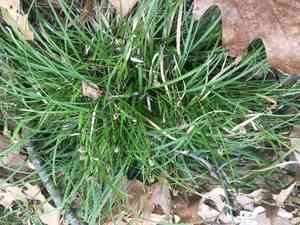
Fibrous-root sedge flourishes when relocated from the beginning of spring until its end, or during the period spanning early to late winter. Select a site with partial shade and ample moisture for peak performance. Verify that the soil composition is abundant in organic material to achieve superior outcomes.
What Preparations are Needed Before Transplanting Fibrous-root Sedge?
What is the Ideal Time for Transplanting Fibrous-root Sedge?
The best time to move fibrous-root sedge is from early to late spring or early to late winter. These periods offer damp soil conditions and mild temperatures, aiding root establishment. Transplanting then promotes robust development, boosts resistance to shock, and maximizes the plant's ability to flourish in its new spot.
How Much Space Should You Leave Between Fibrous-root Sedge Plants?
When relocating fibrous-root sedge, position plants approximately 12-18 inches (30-45 cm) apart. This spacing provides ample room for growth and ensures proper air circulation, minimizing disease risk.
What is the Best Soil Mix for Fibrous-root Sedge Transplanting?
For fibrous-root sedge, prepare soil that is moist and drains well. Loamy or sandy soil types are most suitable. Before planting, enrich the soil with organic compost or a balanced slow-release fertilizer to give your plants a strong start.
Where Should You Relocate Your Fibrous-root Sedge?
Move fibrous-root sedge to a spot that gets partial to full shade. These plants thrive best when protected from intense, direct sunlight, which can cause stress and harm.
What Equipments Should You Prepare Before Transplantation Fibrous-root Sedge?
Gardening Gloves
To safeguard your hands while handling soil and plants.
Shovel or Spade
For excavating the plant and preparing the new planting site.
Trowel
Useful for smaller digging tasks around the plant's root system.
Watering Can or Hose
To hydrate the plant before and after its relocation.
Pruning Shears
For trimming any damaged or excessively long roots.
How Do You Remove Fibrous-root Sedge from the Soil?
How Do You Remove Fibrous-root Sedge from the Soil?
From Ground: First, thoroughly water the fibrous-root sedge plant to moisten the soil. Using a shovel or spade, dig a wide trench around the plant. Ensure the root ball remains intact. Carefully work the spade beneath the root ball to lift the plant from its original spot.From Pot: Make sure the soil in the pot is damp before removing the plant. Gently tap the pot's sides to loosen the soil, then carefully slide the plant out, supporting the root ball with your hands.From Seedling Tray: Ensure the soil is moist. Use a trowel or your fingers to lift the seedling from the tray, taking care not to harm the roots.
Step-by-Step Guide for Transplanting Fibrous-root Sedge
Prepare the New Hole
Dig a hole slightly larger than the fibrous-root sedge's root ball in the chosen location.
Amend the Soil
If needed, blend compost or organic material into the soil at the bottom of the hole to assist with drainage and root establishment.
Place the Plant
Carefully position the fibrous-root sedge into the hole, ensuring the top of the root ball is level with the surrounding ground.
Fill the Hole
Backfill the hole with the excavated soil, gently pressing it down to eliminate air pockets and secure the plant.
Water the Plant
Thoroughly water the fibrous-root sedge immediately after transplanting to help settle the soil and lessen transplant shock.
How Do You Care For Fibrous-root Sedge After Transplanting?
Watering
Keep the soil around the fibrous-root sedge consistently moist, but not waterlogged, for the initial weeks post-transplant to aid in developing strong roots.
Mulching
Apply a layer of mulch around the plant's base to retain soil moisture and regulate temperature.
Monitoring
Regularly inspect the fibrous-root sedge for indications of stress or disease and promptly address any issues.
Troubleshooting Common Issues with Fibrous-root Sedge Transplantation.
When is the best time to transplant fibrous-root sedge?
Relocate fibrous-root sedge from early spring to late spring, or early winter to late winter.
How far apart should I space fibrous-root sedge plants?
Space fibrous-root sedge plants 12-18 inches (30-45 cm) apart for healthy development.
How deep should I plant fibrous-root sedge?
Plant fibrous-root sedge at the same depth it was previously growing to prevent root stress.
What type of soil is ideal for fibrous-root sedge?
Fibrous-root sedge thrives in well-drained, slightly acidic to neutral pH soil for optimal health.
How should I prepare the soil for fibrous-root sedge?
Improve the soil with compost to enhance drainage and add nutrients before moving fibrous-root sedge.
How much water should fibrous-root sedge receive after transplanting?
Water fibrous-root sedge thoroughly after transplanting and maintain consistent soil moisture until established.
What should I do if fibrous-root sedge appears wilted after transplanting?
Ensure fibrous-root sedge gets sufficient water and isn't planted too deep; it might recover.
Can fibrous-root sedge be transplanted in full sun?
Fibrous-root sedge can endure full sun but prefers partial shade, especially in warmer climates.
Should I fertilize fibrous-root sedge after transplanting?
Wait a few weeks post-transplant before fertilizing fibrous-root sedge to avoid root burn.
How do I protect fibrous-root sedge from transplant shock?
Minimize transplant shock by watering well, providing shade, and avoiding root disturbance for fibrous-root sedge.



