How to Propagate Fibrous-root sedge?
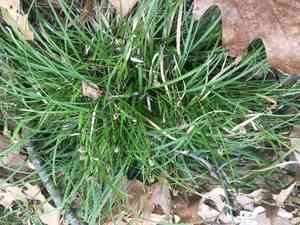
Fibrous-root sedge flourishes when multiplied via separation, a technique particularly effective for its fibrous root structure. Perform division of fibrous-root sedge during its period of vigorous development to guarantee rapid root integration and reduce transplant stress. Gently split the clusters, ensuring root portions remain undamaged, to foster improved acclimation in the new setting. Consistent irrigation after relocation assists in faster recuperation and strong development.
When Is the Best Time to Propagate Fibrous-root Sedge?
Propagation Type
Division
Propagation Season
Spring,Autumn
What Tools Are Used for Fibrous-root Sedge Propagation?
Garden spade or fork
This implement is crucial for excavating clumps of fibrous-root sedge during the separation process. The sharp, robust blades of a spade or the tines of a fork are perfect for cutting through soil and dividing the dense, fibrous roots without causing undue harm to the plant.
Sharp knife or secateurs
Utilized to cleanly sever the roots of fibrous-root sedge when splitting clumps into smaller portions. A keen knife ensures precise cuts, aiding in maintaining root system health and lowering disease risk. Secateurs are especially beneficial for trimming tougher, thicker roots.
Gardening gloves
Shields hands from sharp roots and potential irritants in the soil while handling fibrous-root sedge. Gloves also offer improved grip and prevent slippage when operating tools like knives or secateurs.
Watering can or hose with a gentle spray setting
Essential for hydrating fibrous-root sedge immediately following division and replanting. Proper irrigation promotes faster recovery and establishment in the new location, contributing to the plant's health and development.
Rooting hormone powder or liquid
While not strictly necessary, applying a rooting hormone to the severed sections of fibrous-root sedge's roots can boost root development and increase propagation success. This is particularly helpful for sections that might root more slowly.
How to Propagate Fibrous-root Sedge?
Propagation Type
Easy
How to Care for Your Newly Propagated Fibrous-root Sedge?
How to Care for Your Newly Propagated Fibrous-root Sedge?
After propagation, fibrous-root sedge needs consistent moisture and should be situated in partial to full shade for optimal growth. Mulching around the base can help retain soil moisture and suppress weeds. Monitor newly planted sections for signs of stress and provide extra water during dry spells or unusually hot weather. Fertilization is generally not required unless the soil is very poor. Regularly check for pests or diseases, especially fungal infections that might arise in overly wet conditions.
Common Mistakes to Avoid When Propagating Fibrous-root Sedge
Overwatering
Excessive watering can be harmful as it leads to root rot, a frequent problem with fibrous-root sedge. The root structure of fibrous-root sedge prefers well-drained conditions; too much moisture can hinder root aeration, resulting in fungal infections and poor plant vitality.
Inadequate soil preparation
Using unamended or heavy garden soil can compact around the roots of fibrous-root sedge, restricting necessary air flow and root expansion. Compacted soil can lead to poor root development, impacting overall propagation success.
Using too deep or too shallow planting depths
Planting fibrous-root sedge too deep or too shallow can impede their development. Deep planting may cause roots to suffocate due to lack of air, while shallow planting may expose roots to the elements, risking desiccation and poor establishment.
Tips For Propagating Fibrous-root Sedge
Use of well-draining soil medium
Employ a soil mix that drains effectively, specifically formulated for sedge plants. This ensures that fibrous-root sedge's roots have ideal conditions for moisture and air balance, vital for healthy growth and successful establishment.
Optimal root division method
Propagating fibrous-root sedge via root division should be performed carefully, ensuring each section possesses sufficient roots and at least one growing shoot. This promotes faster adaptation and growth after transplanting.
Regular monitoring of moisture level
Maintaining consistent soil moisture without overwatering is crucial. A balance is necessary; soil should be moist but not waterlogged, supporting the delicate moisture requirements of fibrous-root sedge during the critical stages of root establishment.



