The Fibrous-root sedge Plant Advantage: Maximizing Home and Office Appeal and Wellness
1
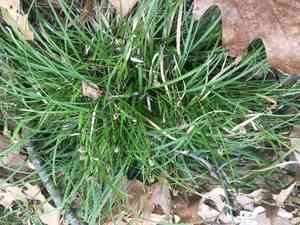
Fibrous-root sedge offers superb ground cover for garden areas.
2
This plant is robust, flourishing in diverse soil types.
3
Fibrous-root sedge improves soil firmness and stops erosion.
How Does Fibrous-root sedge Stabilize Soil and Prevent Erosion?
Root Structure Benefits
A key characteristic of Fibrous-root sedge is its extensive fibrous root system. These roots delve deep into the earth, forming an intricate network that firmly binds soil particles. This feature makes Fibrous-root sedge an excellent option for areas susceptible to erosion. Whether planted on inclines, riverbanks, or other erosion-prone landscapes, it significantly reduces soil runoff and enhances ground stability.
Impact on Water Retention
Beyond preventing erosion, the root system of Fibrous-root sedge also enhances the soil's capacity to retain water. By improving soil structure, it facilitates better absorption and distribution of moisture. This is particularly beneficial during dry periods, as it helps maintain soil hydration levels, thereby supporting the health of nearby vegetation.
What Are the Ornamental Uses of Fibrous-root sedge?
Aesthetic Appeal in Landscaping
In addition to its practical advantages, Fibrous-root sedge is valued for its visual charm. Its vibrant, green foliage offers year-round color, making it an ideal ground cover for decorative gardens. It is frequently used in borders, garden beds, and as an underplanting for taller shrubs and trees. The plant's clumping, grass-like appearance provides a calm and natural look, seamlessly integrating with various garden styles.
Compatibility with Diverse Plant Species
Another notable benefit of Fibrous-root sedge is its ability to coexist with a wide array of plant species. It flourishes in both shaded and sunny locations and adapts well to different soil types, from sandy to clay. This versatility makes it an excellent companion plant, supporting the growth of adjacent plants and filling in spaces to create a fuller, more unified garden landscape.
How to Incorporate Fibrous-root sedge into Your Garden Design?
Creating Natural Borders
Fibrous-root sedge can be strategically placed to form natural-looking boundaries along paths, flower beds, and property lines. Its dense growth habit creates a low, neat edge that defines different areas of your garden without the need for artificial barriers. This not only adds to the visual appeal but also aids in maintaining distinct garden sections more effectively.
As Ground Cover
For gardeners aiming to cover large areas, Fibrous-root sedge is an excellent choice. Its rapid growth and minimal maintenance requirements mean it can quickly establish itself as a ground cover, suppressing weeds and reducing the need for constant upkeep. Furthermore, as a perennial plant, it returns each year, offering a long-term solution for garden coverage.
What Wildlife Does Fibrous-root sedge Attract?
Supporting Local Ecosystems
Fibrous-root sedge plays a crucial role in sustaining local wildlife. Its dense foliage provides a habitat for various insects, birds, and small animals. The plant's seeds also serve as a food source for several bird species, while the foliage offers shelter and nesting material. By planting Fibrous-root sedge, gardeners can foster biodiversity and create a more dynamic and vibrant ecosystem in their yard.
Encouraging Pollinators
Additionally, Fibrous-root sedge can draw in beneficial pollinators such as bees and butterflies. These pollinators are vital for the health of many garden plants. By cultivating an environment where these insects can thrive, Fibrous-root sedge indirectly supports the success of fruit-bearing plants and flowers, contributing to a more productive and beautiful garden.
How to Care for Fibrous-root sedge?
Watering and Soil Requirements
Fibrous-root sedge is known for its resilience and low maintenance needs. It thrives in various soil conditions, though it prefers moist, well-drained soil. Consistent watering is crucial during the initial establishment phase, but once mature, it is quite drought-tolerant. This makes it an ideal choice for gardeners seeking a robust, easy-to-care-for plant.
Fertilization and Pruning
Fertilization is generally not necessary, but a light application of a balanced fertilizer during the growing season can encourage more vigorous growth. Pruning should be performed in early spring to remove dead or damaged foliage, which promotes new growth and maintains the plantâs neat appearance. This minimal upkeep ensures that Fibrous-root sedge remains a beautiful and beneficial part of your garden throughout the year.



