How to Prune Fibrous-root sedge?
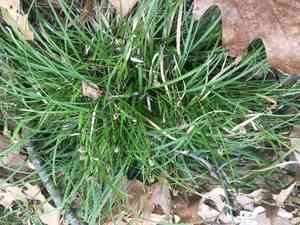
This sedge, characterized by its fibrous root system, flourishes in damp, shaded conditions and displays thick clusters of grass-like leaves. To stimulate vigorous new development and preserve the plant's well-being, trim away any withered or compromised foliage in early spring or late winter. Consistently removing older leaves will improve air movement and lower the chances of illness. Performing this maintenance during periods of dormancy lessens the strain on the fibrous-root sedge, thereby maximizing its vigor and expansion during the active growth period.
What Are the Benefits of Pruning Fibrous-root Sedge?
What Are the Benefits of Pruning Fibrous-root Sedge?
Trimming fibrous-root sedge is essential for keeping its dense, neat shape and promoting strong development. Strategic cutting back manages its size and stimulates healthier, more vibrant leaves, which can boost its decorative appeal.
What Is the Best Time for Pruning Fibrous-root Sedge?
What Is the Best Time for Pruning Fibrous-root Sedge?
Pruning or trimming fibrous-root sedge during early spring or winter aligns well with the plant's dormant period, effectively minimizing stress and promoting vigorous growth in the upcoming season. In early spring, pruning just before the active growth phase allows fibrous-root sedge to heal quickly and channel its energy into producing new, healthy shoots. Winter pruning, particularly when the plant is fully dormant, is also beneficial as it helps to maintain the plant's shape and health while preventing any potential disease spread that could occur during warmer, wetter months.
What Tools Do I Need to Prune Fibrous-root Sedge?
Hand Pruners
Perfect for making precise cuts on fibrous-root sedge, especially for removing spent foliage or dead sections. They provide control necessary for the delicate stems of fibrous-root sedge.
Grass Shears
These are perfect for shaping and trimming the grass-like leaves of fibrous-root sedge. Their design allows for careful cutting close to the ground, maintaining the plant's natural clump form.
Garden Scissors
Useful for snipping off brown tips or damaged leaves of fibrous-root sedge. They offer accuracy in targeting specific areas without disturbing surrounding foliage.
How to Prune Fibrous-root Sedge
Identify
Locate diseased and withered leaves on fibrous-root sedge. Carefully inspect each cluster of foliage to differentiate healthy leaves from those that are discolored, damaged, or dry.
Prepare
Get the necessary tools ready for pruning fibrous-root sedge. Use sharp, clean shears or scissors, sanitized with rubbing alcohol or a bleach solution to prevent the spread of disease.
Trim
Cut the identified diseased and withered leaves at their base where they join the stem or the root cluster. Make a clean cut to avoid tearing that might cause unnecessary injury to fibrous-root sedge.
Clean up
Remove all cut leaves from around fibrous-root sedge to prevent the spread of any potential pathogens and to maintain a tidy growing environment.
Monitor
Regularly observe fibrous-root sedge after pruning for signs of new growth or further signs of distress. This will help in early detection of additional diseased foliage or other health issues.
Common Pruning Mistakes with Fibrous-root Sedge
Overpruning
Removing too much foliage from fibrous-root sedge can stress the plant, leading to reduced vigor and sparse growth. It is crucial to prune cautiously, removing only dead or unhealthy tissue to preserve the plant's natural shape and health.
Incorrect cutting technique
Using blunt or dirty cutting tools can damage fibrous-root sedge's delicate stems, potentially leading to disease or pest infestations. Ensure that pruning tools are sharp and clean to make precise cuts that heal quickly.
Pruning at wrong time
Pruning fibrous-root sedge when the plant is preparing for or in the midst of flowering can hinder its natural growth cycle and flowering potential, affecting overall health and aesthetic appeal.
Common Pruning Tips for Fibrous-root Sedge
Selective thinning
Focus on thinning out overcrowded areas of fibrous-root sedge to improve air circulation and light penetration. This encourages healthier growth and reduces the risk of disease.
Attention to dead or damaged foliage
Regularly inspect fibrous-root sedge for dead, damaged, or diseased foliage. Gently prune these areas back to healthy tissue to promote quicker recovery and growth.
Using the right tools
Utilize sharp, clean pruning shears or scissors specifically designed for delicate grass-like plants. This ensures clean cuts that fibrous-root sedge can easily recover from, minimizing stress and potential damage.
Maintaining plant form
Aim to maintain the natural clumping form of fibrous-root sedge while pruning. Avoid cutting into the crown of the plant, as this can cause severe damage and potentially kill the plant.



