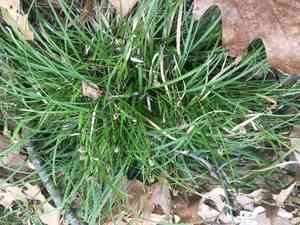
Fibrous-root sedge (Carex communis)
Also known as: Common Sedge
Fibrous-root sedge (Carex communis) is characterized by its dense mats formed through thick rhizome roots. Unlike many other sedges that flourish in moist or wet environments, this species prefers dry to moderately moist soils. It is commonly found in well-drained, upland areas, often within wooded regions, making it distinct in its preference for drier soil conditions.
In This Article
Attributes of Fibrous-root sedge
Lifespan
Perennial
Plant Type
Grass
Plant Height
20 cm to 61 cm
Spread
Not applicable for this plant type
Leaf Color
Green
Flower Size
Small, typically less than 1 cm in diameter
Flower Color
White
Images of Fibrous-root sedge
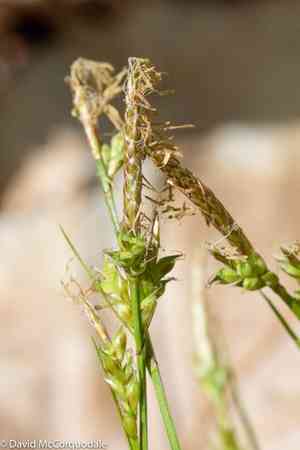
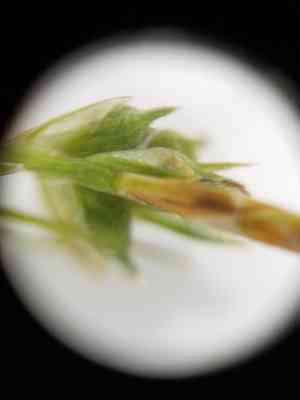
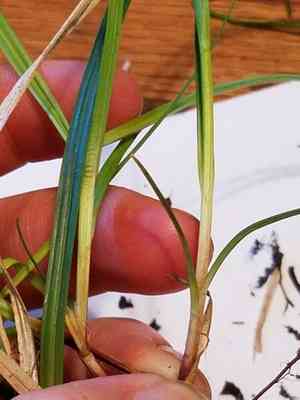
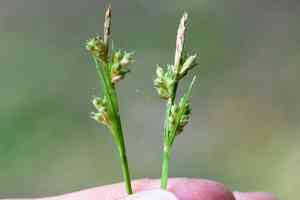
Quickly Identify Fibrous-root sedge
1
Identification of Carex communis involves noting its tufted growth form, the presence of slender, grass-like leaves, and its triangular stem cross-section. Additionally, its inflorescence typically consists of spikelets clustered in a distinctive arrangement.
Scientific Classification of Fibrous-root sedge
Phylum
Vascular plants
Class
Monocotyledons
Order
Poales
Family
Sedge
Genus
True sedges
Species
Fibrous-root sedge
Planting and Growing of Fibrous-root sedge
Care Difficulty
Easy
Watering Schedule
Every 3 days
Sunlight Requirements
Partial sun
Sunshine Duration
4-6 hours
Ideal Temperature
60-75℉
Soil Type
Potting Mix, Peat Mix
Soil pH
6.5-7.5
Fertilizer Type
Balanced
Pruning Season
Spring, Summer
Pruning Area
Branches, Leaves
Pruning Frequency
2 times a year
Repotting Season
Spring
Pot Type
Plastic, Ceramic
 How to Water Fibrous-root sedge?
Carex communis, commonly known as the woodland sedge, prefers consistently moist soil but does not tolerate standing water. Aim to keep the soil evenly moist by watering until the topsoil is thoroughly damp. A watering amount of around 250 milliliters will usually suffice, ensuring that the soil feels slightly moist but not soggy.
What are the symptoms of an underwatered Fibrous-root sedge?
›
What should I do if my Fibrous-root sedge is not getting enough water?
›
What are the symptoms of an overwatered Fibrous-root sedge?
›
How to save an overwatered Fibrous-root sedge?
›
 What Are the Sunlight Requirements for Fibrous-root sedge?
Desiring partial sun, Carex communis benefits from 4 to 6 hours of gentle sunlight, aiding in healthy growth, vibrant coloration, and strong resilience.
What is the ideal light intensity?
›
How can I achieve the ideal lighting conditions?
›
What benefits come from optimal lighting?
›
 What Is the Ideal Temperature Range for Fibrous-root sedge?
For optimal growth, Carex communis thrives best in temperatures ranging from 60 to 75 degrees Fahrenheit. This range ensures the plant is neither too hot nor too cold, allowing for proper metabolic processes and photosynthesis. By maintaining these temperatures, you can support healthy root systems and leaf development.
 What Soil is Best for Fibrous-root sedge?
Carex communis thrives in well-drained soil, preventing root rot and ensuring efficient nutrient absorption, enhancing its lush foliage. This plant prefers soil that retains moderate moisture, providing consistent hydration to sustain its strong, vibrant growth. Ideal soil pH for Carex communis is slightly acidic to neutral, optimizing nutrient availability and supporting healthy root development.
 How to Fertilize Fibrous-root sedge?
Carex communis, commonly known as the Woodland Sedge, requires moderate fertilization. Apply a balanced 10-10-10 liquid fertilizer during the growing season, ensuring not to exceed half the manufacturer's recommended strength per application. Over-fertilization can harm the plant.
 How to Prune Fibrous-root sedge?
Begin by closely examining the Carex communis for dead, damaged, or diseased blades. Focus on removing these first as they can affect the overall health of the plant. Using your shears, start cutting from the base of the plant. Trim back to just above the crown for any dead or overgrown blades. This helps maintain a neat appearance and promotes new growth. After removing damaged parts, step back and assess the symmetry of the plant. Trim any uneven or excessively long areas to achieve a balanced look. This not only keeps it visually pleasing but also ensures even growth distribution.
More About Pruning Techniques→
 How to Propagate Fibrous-root sedge plant?
1
Begin by sowing Carex communis seeds in seed trays filled with a quality seed-starting mix. Ensure seeds are lightly covered with soil and maintain consistent moisture. Germination typically occurs within 2-3 weeks under optimal conditions.
2
Prepare mature plants for division by watering them thoroughly a day prior. Use a sharp spade to dig up entire clumps, ensuring you minimize root disturbance to promote successful transplantation.
3
Once seedlings are sturdy or divisions are prepared, transplant them into a well-draining soil mix in a garden or container. Water thoroughly and provide partial shade to reduce transplant shock.
 How to Repot Fibrous-root sedge plant?
1
Repot Carex communis when you notice roots growing out of the drainage holes or when the plant appears to be stunted. Spring is the ideal time since the plant will have the entire growing season to recover and establish itself in a new pot.
2
Select a pot that is 2 inches larger in diameter than the current one, ensuring it has adequate drainage holes. A larger pot will prevent overcrowding, allowing roots to grow freely and promoting healthier, more vigorous growth.
3
Opt for a rich, loamy soil that retains some moisture yet drains well. Such soil ensures that the plant's roots have continued access to moisture and nutrients without being waterlogged, which can prevent root rot and other issues.
Learn More About Fibrous-root sedge Diseases
Anthracnose
Bacterial Leaf Spot
Bacterial Soft Rot
Bacterial Wilt
Black Spot
Chemical Injury
Cyst Nematode
Damping-off
Downy Mildew
Drought Stress
Fusarium Wilt
Gray Mold
Leaf Spot
Mosaic
Nutrient Deficiency
Nutrient Toxicity
Powdery Mildew
Root Rot
Root-knot Nematode
Rusts
Sooty Mold
Spider Mites
Temperature Stress
Thrips Damage
White Mold



