How to Transplant Sand sedge?
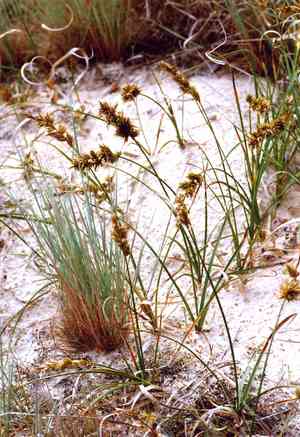
The most favorable time for planting sand sedge is in the spring and early summer months. Select a location featuring soil that drains effectively and receives ample to moderate sunlight. Should it be required, amend the soil to improve the likelihood of successful transplantation.
What Preparations are Needed Before Transplanting Sand Sedge?
What is the Ideal Time for Transplanting Sand Sedge?
The optimal period for relocating sand sedge spans from early spring to mid-summer. This timeframe provides the gentle warmth and extended daylight hours essential for sand sedge's root development, ensuring a successful transition. Moving it during this season capitalizes on its natural growth cycle, giving sand sedge the best chance to flourish in its new spot. Remember, these are the times when nature favors your gardening efforts with ample sunlight and mild soil conditions, perfectly suited for sand sedge to thrive post-transplant.
How Much Space Should You Leave Between Sand Sedge Plants?
When rehousing sand sedge, aim for a comfortable spacing of approximately 6-12 inches (15-30 cm) between plants. This allows them ample room to grow without becoming overcrowded!
What is the Best Soil Mix for Sand Sedge Transplanting?
For sand sedge, prepare a well-draining soil mixture rich in organic material. Prior to planting, amend the soil with a balanced slow-release fertilizer to provide a welcoming boost!
Where Should You Relocate Your Sand Sedge?
Sand sedge thrives in bright conditions, so select a sunny location. They will flourish with full sun exposure, ensuring they receive at least 6 hours of warm sunlight daily!
What Equipments Should You Prepare Before Transplantation Sand Sedge?
Gardening Gloves
To safeguard your hands while handling soil and plants.
Spade or Shovel
For excavating the plant and preparing a new planting site.
Garden Fork
To loosen the soil around the root system if necessary.
Watering Can or Hose
To hydrate the plant before and after its relocation.
Wheelbarrow or Plant Dolly
For moving the plant if it is large and heavy.
Secateurs or Sharp Knife
For trimming any damaged roots or foliage.
Mulch
To help retain moisture and inhibit weed growth around the new location.
How Do You Remove Sand Sedge from the Soil?
How Do You Remove Sand Sedge from the Soil?
From Ground: Hydrate the sand sedge to moisten the soil. Use a shovel or spade to dig a wide circle around the plant, being careful not to harm the root ball. Slide the tool beneath to gently lift the plant from its current spot.From Pot: Lightly tap the pot's sides to loosen the root ball. Tilt the pot sideways and carefully slide the sand sedge out by supporting the stem's base with one hand and pulling the pot away with the other.From Seedling Tray: Dampen the soil in the tray. Gently push the sand sedge from the cell's bottom or use a small trowel or fork to lift it out without damaging the roots.
Step-by-Step Guide for Transplanting Sand Sedge
Preparation
Gather all necessary tools and thoroughly water the sand sedge before beginning the transplant process.
Removal
Depending on its current location, carefully remove the sand sedge from the ground, pot, or seedling tray as previously described.
Transport
If the plant is heavy, use a wheelbarrow or plant dolly to move it to the new site without straining yourself or harming the plant.
Transplant Hole
Dig a hole in the new location that is twice as wide and as deep as the sand sedge's root ball.
Placement
Position the sand sedge in the center of the hole, ensuring it stands upright and at the same depth it was growing previously.
Backfill
Gently refill the hole with the excavated soil, firming it around the roots to eliminate air pockets.
Water
Water the sand sedge generously to help settle the soil and hydrate its roots.
Mulching
Apply a layer of mulch around the base of the sand sedge to help maintain soil moisture and regulate temperature.
How Do You Care For Sand Sedge After Transplanting?
Monitoring
Regularly inspect the soil around the sand sedge and water as needed to keep it moist, especially during dry spells. Avoid saturating the area, which can lead to root rot.
Pruning
Trim any damaged or dead foliage to encourage new growth and direct energy towards root establishment.
Support
If the sand sedge is tall or prone to being blown over, provide support with stakes or ties, taking care not to harm the stem.
Observation
Watch for signs of stress in the sand sedge, such as wilting or discolored leaves, and address any issues promptly.
Troubleshooting Common Issues with Sand Sedge Transplantation.
When is the best time to transplant sand sedge?
Relocate sand sedge during late spring to mid-summer for optimal establishment in your garden.
How far apart should I space sand sedge when transplanting?
Allow 6-12 inches (15-30 cm) between sand sedge plants to ensure adequate room for growth.
Why is my sand sedge not thriving after transplant?
Verify if the roots were properly spread and the soil was well-draining; root-bound plants struggle to establish.
How deep should I plant sand sedge when transplanting?
Excavate a hole as deep as the root ball and twice its width to promote healthy root development.
How much should I water sand sedge after transplanting?
Keep the soil moist but not waterlogged; excessive watering can cause root rot, particularly post-transplant.
Should I fertilize sand sedge right after transplanting?
Wait 4-6 weeks before applying a balanced fertilizer; allow sand sedge to settle in first.
What kind of sunlight does sand sedge need after transplanting?
Position sand sedge in full sun to partial shade. Direct sunlight aids root establishment, but prevent scorching.
How do I prepare soil for transplanting sand sedge?
Utilize well-draining soil, enriched with organic matter to provide sand sedge with a healthy beginning.
How can I protect sand sedge from transplant shock?
Transplant on an overcast day or late in the day, and water thoroughly to minimize shock and aid recovery.
Can I transplant sand sedge during a hot spell?
It's best to avoid extremely hot days. Transplant in cooler weather to prevent stress and dehydration.



