How to Prune Sand sedge?
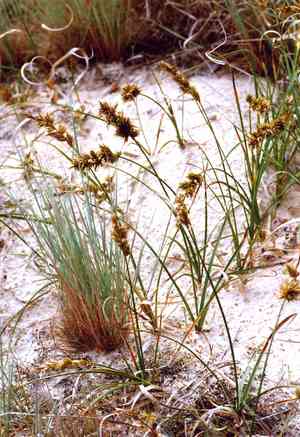
This enduring grass-like variety, recognized for its spreading underground stems, flourishes in sandy substrates. For sand sedge, trim any deceased or excessively grown leaves in early spring or winter to encourage robust development and preserve its neat look. Trimming during its inactive period minimizes strain on sand sedge, guaranteeing strong growth in spring. Consistent elimination of aged stalks improves air movement, lowering the chance of illness. Thoughtful trimming optimizes sand sedge's vigor and capacity to adjust to its surroundings, which is crucial for garden integration.
What Are the Benefits of Pruning Sand Sedge?
What Are the Benefits of Pruning Sand Sedge?
Trimming sand sedge promotes robust development and helps maintain its desired form. Regular trimming ensures the thick leaf mass stays neat and supports the plant's general health.
What Is the Best Time for Pruning Sand Sedge?
What Is the Best Time for Pruning Sand Sedge?
Pruning sand sedge in early spring is optimal as it prepares the plant for new growth with warmer weather. The plant's energy focuses on establishing strong new shoots, which pruning can help redirect for a more robust structure. Winter pruning is ideal since the plant is dormant then. This means less stress on sand sedge, reduced disease risk, and no interruption of flowering or fruiting cycles. Additionally, the lack of foliage makes the plant's structure clearer, allowing for more precise pruning.
What Tools Do I Need to Prune Sand Sedge?
Sharp Hand Pruners
Perfect for making accurate cuts to remove dead or damaged leaves without harming healthy surrounding growth. Sand sedge has narrow, grass-like leaves that may need individual attention when pruning.
Grass Shears
Suitable for trimming and shaping sand sedge clumps or tussocks. These shears offer greater control and help maintain the plant's natural shape.
Pruning Saw
Useful for removing any old, tough stems that may have become woody over time. This tool allows gardeners to cut through thicker growth without damaging the plant.
Gloves
Wearing gloves is essential to protect hands from sharp foliage edges and potential irritation when handling sand sedge.
How to Prune Sand Sedge
Clean tools
Before beginning, ensure all pruning tools are clean and sharp to prevent disease spread and make precise cuts.
Inspect plant
Carefully examine sand sedge for diseased or withered leaves. Identify parts needing removal for the plant's health.
Cut diseased leaves
Using your pruning tools, carefully trim off diseased leaves at their base where they meet healthy tissue, being careful not to damage new growth.
Remove withered leaves
Remove withered leaves by cutting them at the base as well, to improve airflow and reduce fungal infection risk.
Cleanup
After pruning, clear all removed foliage from around sand sedge to deter pests and disease, and dispose of it properly away from healthy plants.
Common Pruning Mistakes with Sand Sedge
Over-pruning
Cutting back sand sedge too severely can stress the plant and hinder its growth. Sand sedge should not be pruned to ground level, as this can cause harm.
Using dull tools
Dull or improperly cleaned pruning tools can crush sand sedge stems instead of making a clean cut, which can invite disease and damage the plant.
Inconsistent pruning
Failing to prune sand sedge regularly can result in an untidy appearance and may negatively impact the plant's overall health.
Pruning without inspecting
Neglecting to inspect sand sedge for signs of damage or disease before pruning may lead to the inadvertent spread of pests or disease throughout the plant.
Neglecting tool hygiene
Not sterilizing pruning tools before use can introduce pathogens to sand sedge, which can spread disease to other parts of the plant or garden.
Common Pruning Tips for Sand Sedge
Clean cuts
Make clean and precise cuts on sand sedge to minimize damage and promote faster healing, reducing disease risk.
Appropriate tool selection
Use sharp, clean, and suitably sized pruning tools for sand sedge to ensure effective and safe trimming.
Post-pruning care
After pruning sand sedge, provide the plant with adequate water and, if needed, a light application of balanced fertilizer to support recovery and new growth.
Dead and diseased material
Remove dead, diseased, or damaged foliage from sand sedge first to enhance the plantâs health and appearance.
Shape maintenance
Prune sand sedge to maintain its natural dune-like contour, trimming uneven or overly long shoots to encourage dense, compact growth.



